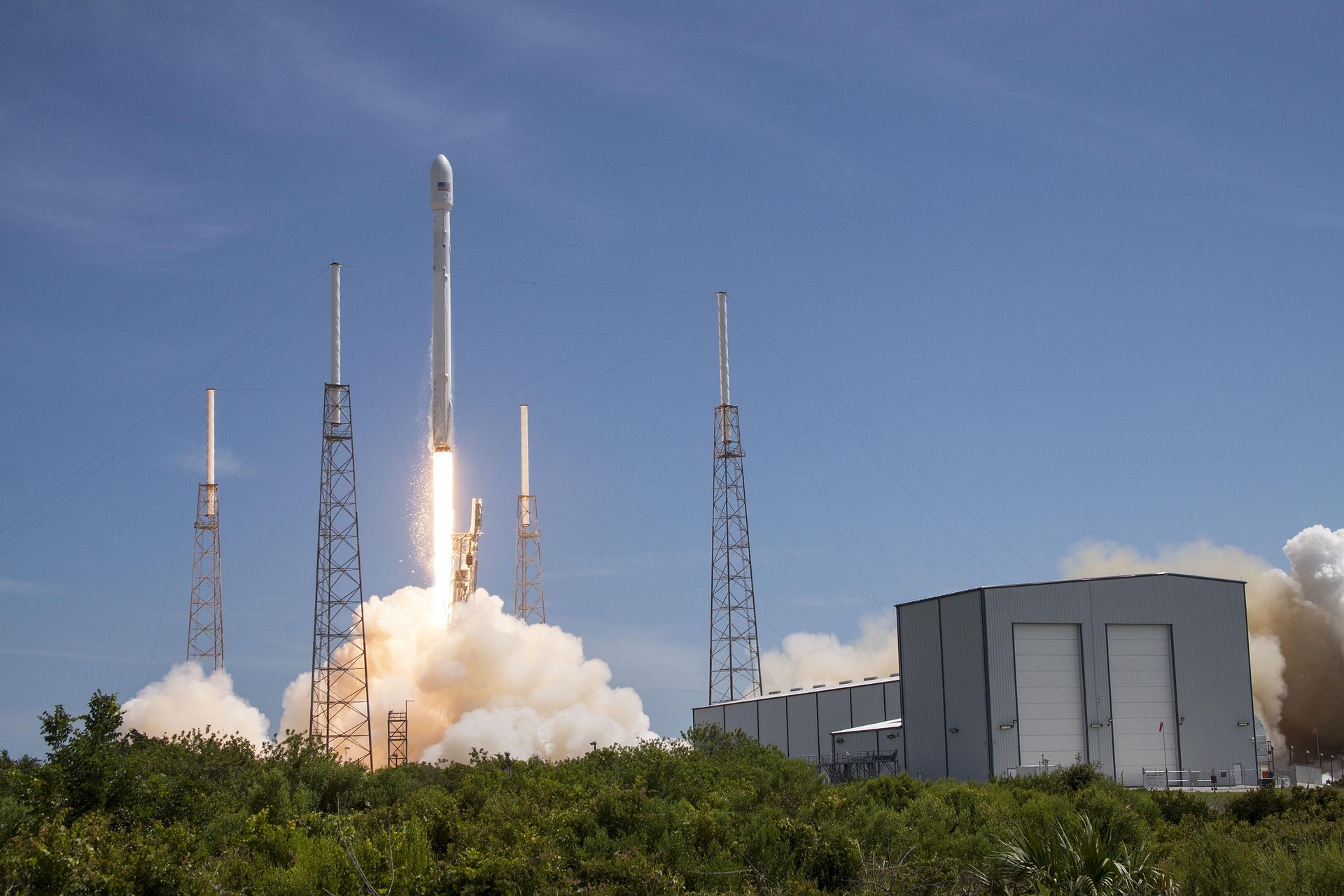
A new milestone in space technology was marked as SpaceX prepared to launch another batch of Starlink satellites aboard its reliable Falcon 9 rocket from California. The mission, carrying 25 Starlink satellites, is part of the company’s ongoing effort to expand global internet coverage through its rapidly growing satellite network.
This latest launch from Vandenberg Space Force Base has generated strong interest among space enthusiasts and industry experts, as it reflects the increasing pace of satellite deployments in low Earth orbit.
SpaceX Starlink Mission Overview
The SpaceX Starlink launch 2026 mission involves sending a batch of 25 satellites into low Earth orbit (LEO). These satellites are part of the Starlink megaconstellation, a project designed to provide high-speed internet access across the globe, especially in remote and underserved regions.
According to launch schedules, the Falcon 9 rocket lifts off from Space Launch Complex-4E in California, with the mission targeting a precise orbital insertion.
This mission is one of several Starlink launches planned throughout the year, highlighting SpaceX’s aggressive strategy to expand its satellite network.
Falcon 9 Rocket and Reusability Advantage
The Falcon 9 rocket plays a crucial role in SpaceX’s success. It is a reusable rocket system that significantly reduces the cost of space travel.
For this mission:
-
The Falcon 9 first-stage booster is expected to fly again after previous missions
-
After liftoff, the booster separates and returns to Earth
-
It lands on a drone ship in the Pacific Ocean
The reusable nature of Falcon 9 allows SpaceX to launch missions more frequently and at lower costs compared to traditional rockets.
In fact, the booster used for similar missions has completed multiple flights, showing how reusable rocket technology is transforming the space industry.
Launch Details and Timeline
The SpaceX Falcon 9 Starlink launch follows a carefully planned sequence:
-
Liftoff from Vandenberg Space Force Base
-
A few minutes after liftoff, the rocket’s first stage detaches from the upper stage as part of the normal flight sequence.
-
The first-stage booster returns and lands on a drone ship
-
The second stage continues into orbit
-
Satellites are deployed into low Earth orbit
The entire process takes approximately one hour for satellite deployment, while booster landing occurs within minutes after launch.
This precise and repeatable process is one of the reasons why SpaceX has become a leader in commercial space launches.
Growing Starlink Satellite Network
The Starlink satellite network is one of the largest satellite constellations ever built. SpaceX has already launched thousands of satellites, with many more planned in the coming years.
Each launch, including this 25 satellite Starlink mission, adds to the network’s capacity and improves global internet coverage.
Starlink aims to provide:
-
High-speed internet in rural and remote areas
-
Reliable connectivity in regions with limited infrastructure
-
Support for emergency communication systems
The rapid expansion of Starlink has made it one of the most ambitious space-based internet projects in history.
Why This Launch Matters
The SpaceX Starlink California launch is important for several reasons:
1. Expanding Global Internet Access
The mission helps bring internet connectivity to areas that lack traditional broadband infrastructure.
2. Increasing Launch Frequency
Frequent launches show how efficient SpaceX has become in executing missions.
3. Advancing Space Technology
Reusable rockets like Falcon 9 are making space exploration more sustainable and cost-effective.
4. Strengthening Commercial Space Industry
The success of Starlink missions continues to drive growth in the private space sector.
Challenges and Delays
Like many space missions, this launch experienced multiple delays due to technical checks and weather conditions. Launch schedules indicate that the mission was postponed several times before reaching its final launch window.
Launch postponements are a routine part of space missions, as teams prioritize safety checks and optimal conditions before liftoff. Engineers carefully monitor all systems before giving the final “go” for launch.
Public Interest and Visibility
SpaceX launches from California often attract public attention because they can be visible across large areas of the West Coast.
Previous launches have created bright streaks in the sky, sometimes leading to viral social media reactions. These events help increase public interest in space exploration and technology.
Residents near the launch site may also hear sonic booms when the booster returns to Earth, which is a normal part of the landing process.
Future of SpaceX Starlink Missions
The SpaceX Starlink launch schedule 2026 shows that many more missions are planned in the coming months. SpaceX aims to continuously expand its satellite network and improve global coverage.
Future plans include:
-
Launching more advanced Starlink satellites
-
Increasing internet speeds and capacity
-
Expanding services to new regions
As the network grows, Starlink is expected to play a major role in global communication systems.
Final Thoughts
The latest SpaceX Falcon 9 launch with 25 Starlink satellites demonstrates how rapidly space technology is evolving. With reusable rockets, frequent launches, and ambitious goals, SpaceX continues to push the boundaries of what is possible in space exploration.
This mission not only strengthens the Starlink internet network but also highlights the future of global connectivity powered by space-based technology.
As SpaceX continues its launch schedule, the world can expect even more advancements in satellite

 Business