A Landmark Ruling That Rewrites the Rules of Voting Rights
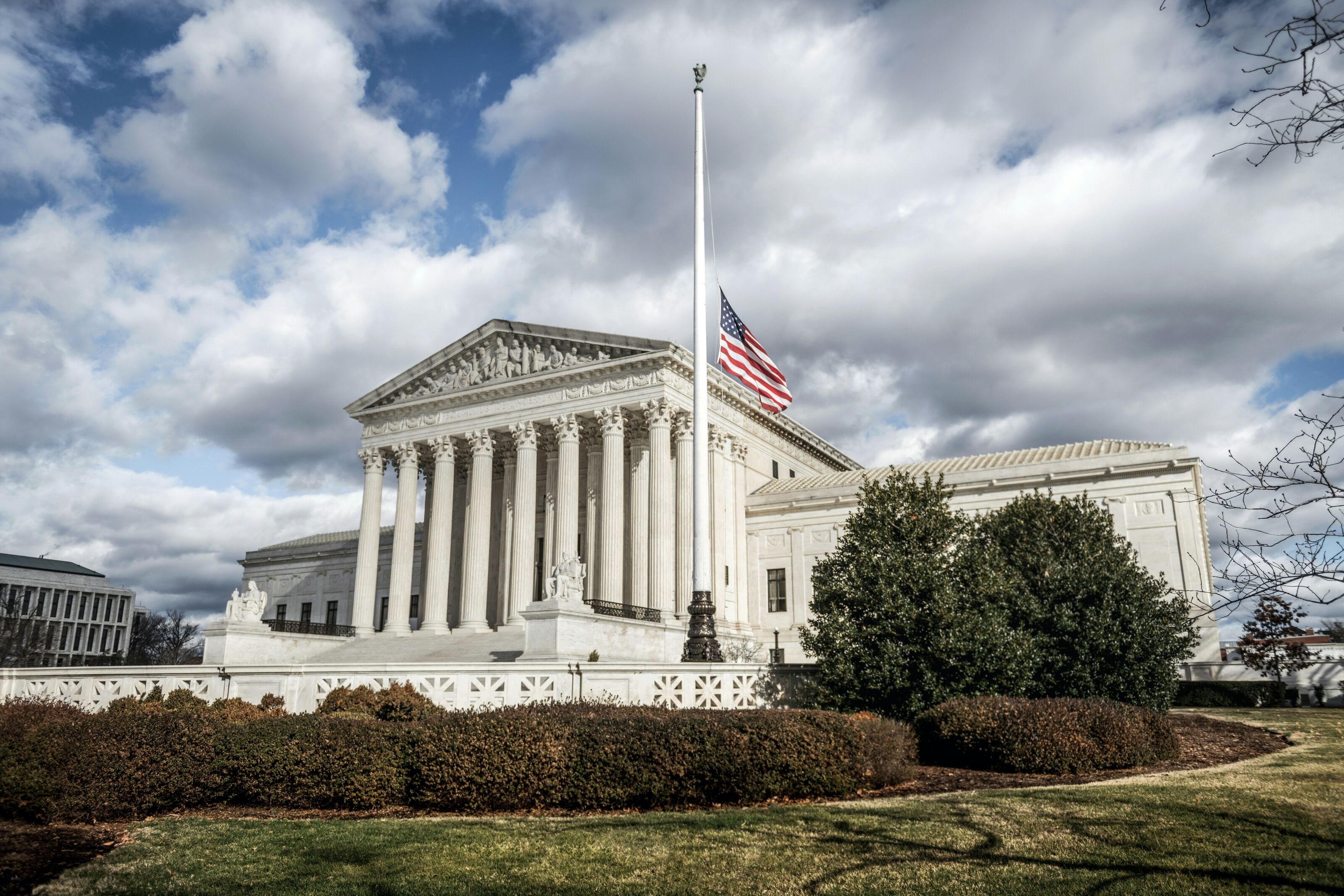
The latest U.S. Supreme Court decision narrowing the scope of the Voting Rights Act (VRA) isn’t just another legal update—it’s a structural shift in how voting protections are interpreted in modern America. The ruling, decided by a 6–3 majority, places new limits on how federal law can be used to challenge voting rules that may disproportionately affect minority groups.
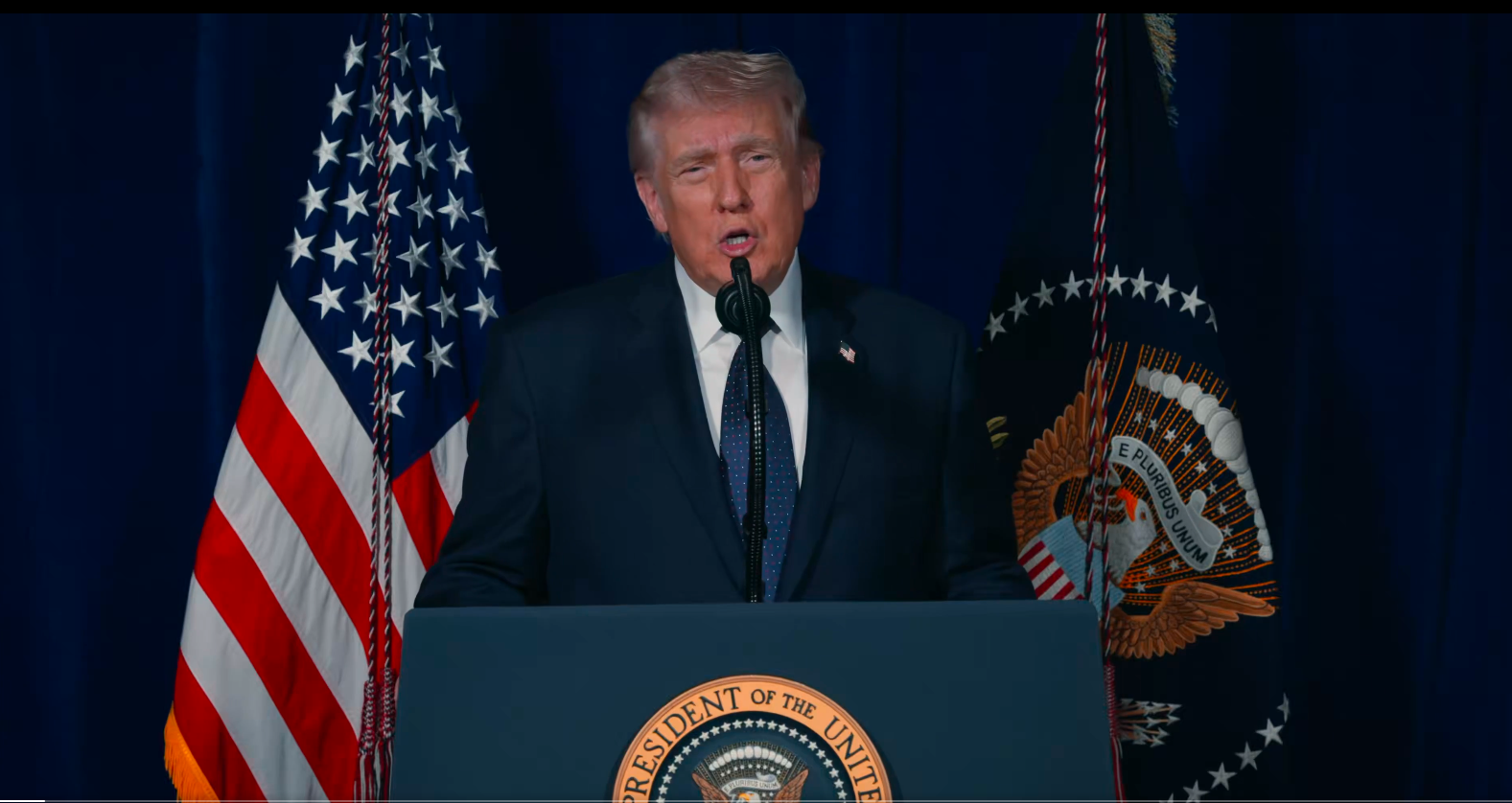
Former President Donald J. Trump reacted in a characteristically direct way: “I wanna read it.” The remark may sound casual, but it reflects something deeper—this decision is complex, technical, and politically explosive. Even seasoned policymakers are still parsing what it truly means.
This article breaks down the ruling beyond headlines—what changed, why it matters, and how it could affect voters, elections, and future legal battles.
What Exactly Did the Supreme Court Decide?
At the center of the ruling is Section 2 of the Voting Rights Act, a key provision that has long been used to challenge laws that result in racial discrimination in voting—even if there’s no explicit intent to discriminate.
The Shift in Legal Interpretation
The Court didn’t eliminate Section 2—but it tightened the standards for proving a violation. In practical terms:
- Plaintiffs must now meet a higher bar to show that a voting rule is discriminatory.
- Courts are directed to consider “traditional” voting practices as a baseline.
- States are given more leeway to justify voting regulations.
This subtle but powerful shift means fewer successful challenges to laws like:
- Voter ID requirements
- Restrictions on mail-in ballots
- Changes to polling locations
Why This Matters Right Now
This ruling comes at a time when U.S. elections are already under intense scrutiny, with debates over election integrity and voter access dominating political discourse.
The Real-World Impact
For the average voter, this decision could mean:
- Fewer legal protections against restrictive voting laws
- More variation in voting rules from state to state
- Longer legal battles when challenging election laws
For policymakers and activists:
- Legal strategies must adapt quickly
- Advocacy may shift from courts to legislatures and public campaigns
Trump’s Reaction: More Than Just a Soundbite
When Donald J. Trump said, “I wanna read it,” it highlighted something important: this ruling isn’t easily reduced to political talking points.
What His Response Signals
- Caution: Even strong political figures are taking time to interpret the decision
- Opportunity: Supporters of stricter voting laws may see this as validation
- Uncertainty: The full political impact isn’t immediately clear
Trump has historically supported tighter election controls, framing them as necessary for election integrity. This ruling may align with that stance—but its broader implications go beyond any single political figure.
A Turning Point in Voting Rights History
To understand the magnitude of this decision, it helps to place it in context.
Then vs. Now
| Era |
Voting Rights Approach |
| 1960s–2000s |
Strong federal oversight to prevent discrimination |
| 2013 (Shelby County v. Holder) |
Reduced federal preclearance requirements |
| Today’s ruling |
Higher burden to prove discrimination under Section 2 |
Each step has gradually shifted power away from federal oversight and toward state control.
What This Means
For Voters
- You may face different rules depending on your state
- Legal protections still exist—but are harder to enforce
- Awareness of local voting laws becomes more important
For States
- Greater flexibility in designing election systems
- Increased responsibility to balance access and security
For the Legal System
- Courts will see fewer successful VRA challenges
- Future cases will hinge on new, stricter legal tests
The Bigger Debate: Access vs. Integrity
This ruling feeds into a long-standing national debate:
Two Competing Perspectives
1. Election Integrity Argument
- Stricter laws prevent fraud
- Standardized rules ensure fairness
2. Voting Access Argument
- Restrictions disproportionately affect minorities
- Barriers reduce democratic participation
The Supreme Court didn’t settle this debate—it reshaped the legal battlefield where it plays out.
Future Outlook: What Comes Next?
This decision is not the end—it’s the beginning of a new phase.
Short-Term Expectations
- New state laws testing the limits of the ruling
- Legal challenges attempting to redefine the new standards
- Political messaging intensifying ahead of elections
Long-Term Implications
- Congress may attempt to rewrite or strengthen the VRA
- States could become more divided in voting access policies
- The Supreme Court may revisit related issues in future cases
One key question remains: Will this lead to a more consistent system—or a more fragmented one?
Practical Takeaways for Readers
- Stay informed: Voting rules may change more frequently
- Check local laws: Don’t assume rules are the same nationwide
- Engage early: Registration deadlines and requirements matter more than ever
- Follow legal developments: Future rulings could further reshape the landscape
FAQs
1. Did the Supreme Court eliminate the Voting Rights Act?
No. The Act still exists, but its enforcement—especially under Section 2—has been narrowed.
2. Does this affect upcoming elections?
Potentially, yes. States may feel more confident implementing stricter voting rules.
3. Can discriminatory laws still be challenged?
Yes, but it’s now harder to prove discrimination under the new legal standards.
4. Why is this decision controversial?
Because it shifts the balance between protecting voters and giving states more control—two goals that often conflict.
5. What should voters do now?
Stay updated on local election laws and ensure you meet all requirements well before voting day.
Final Thought
This Supreme Court ruling isn’t just about legal technicalities—it’s about who gets to shape the rules of democracy. Whether you see it as a necessary correction or a step backward depends on your perspective. But one thing is clear: the way Americans vote—and how those votes are protected—has entered a new chapter.

 US
US