Flyby — A Turning Point for Power, Technology, and the Moon Race
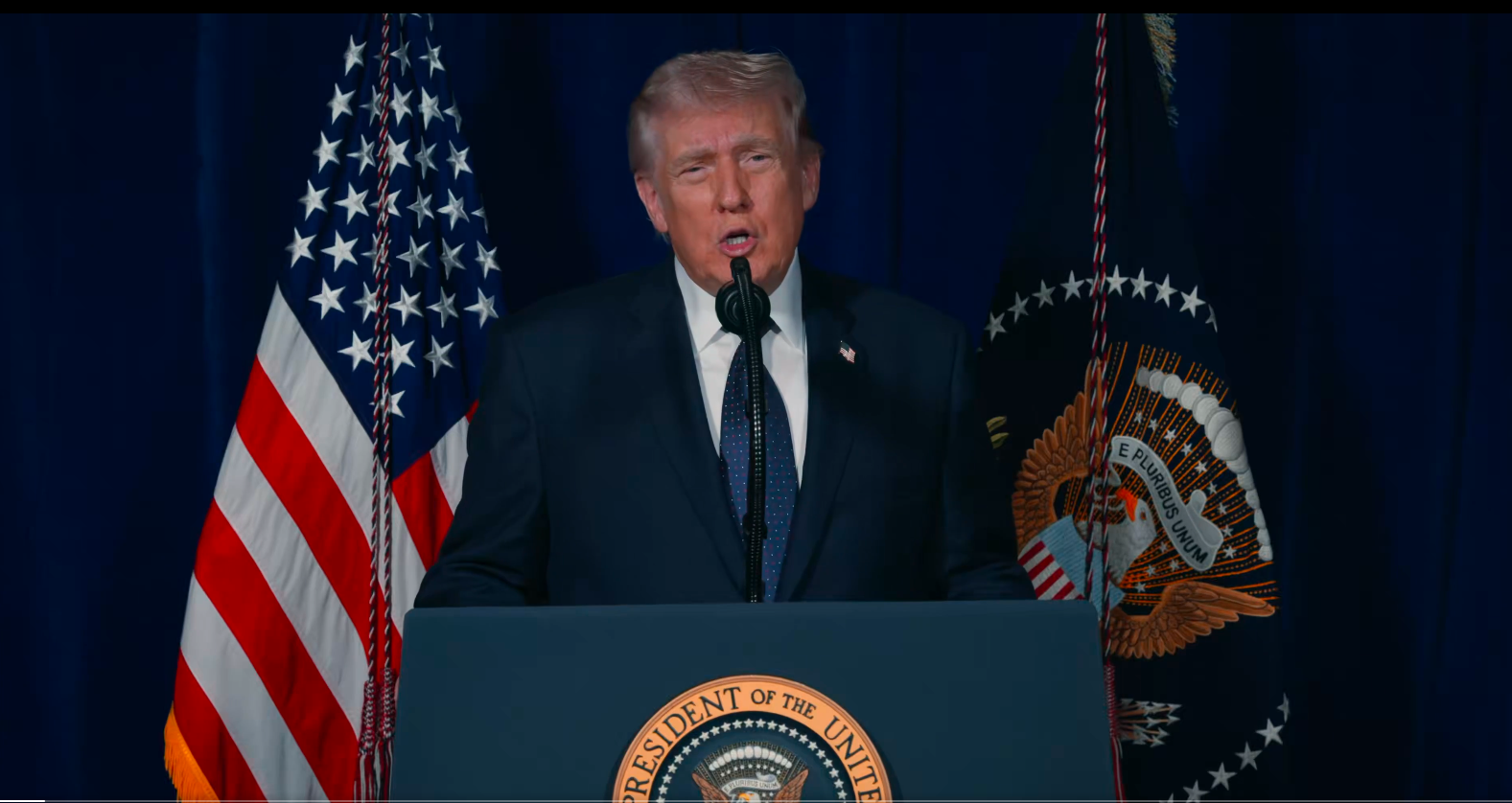
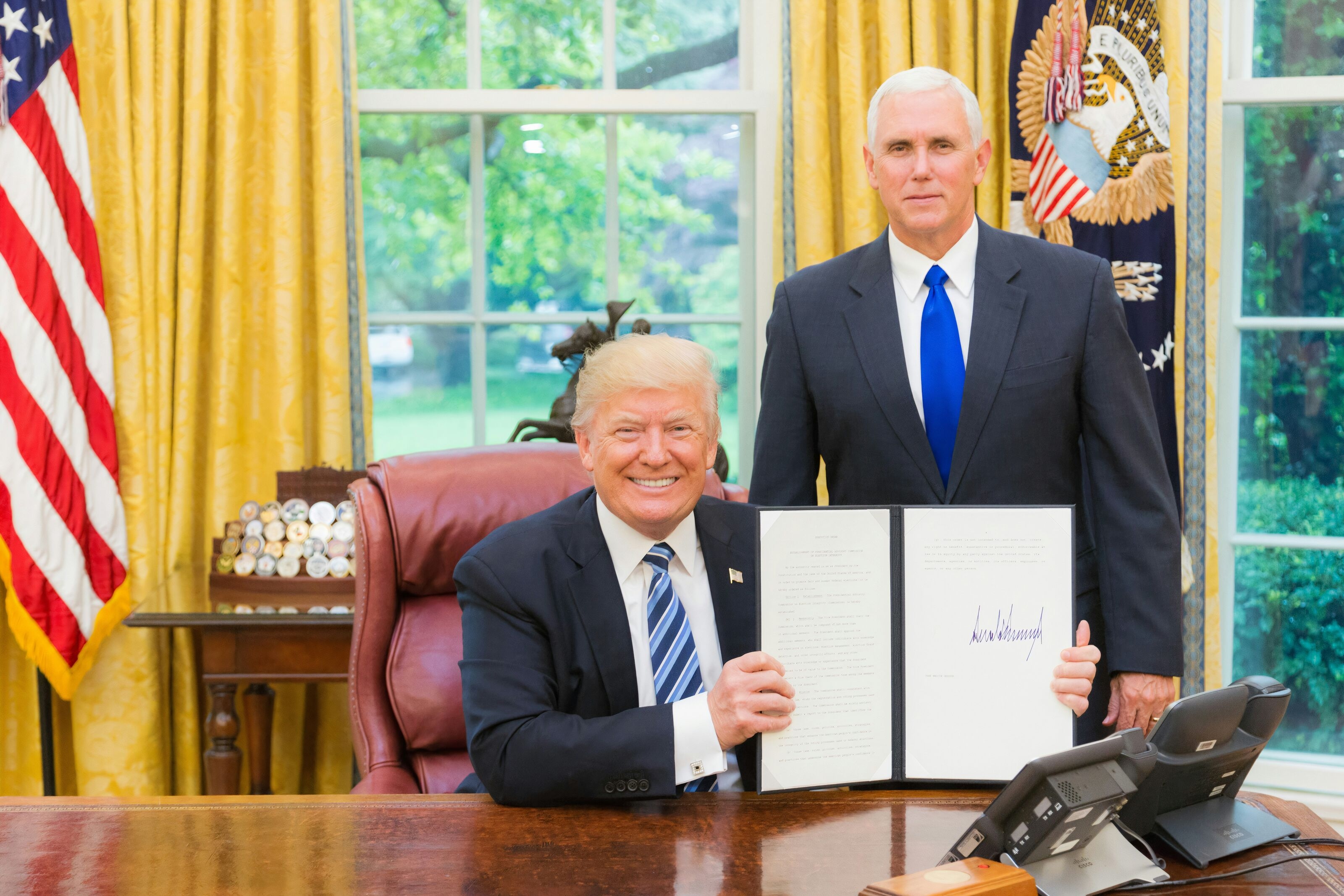
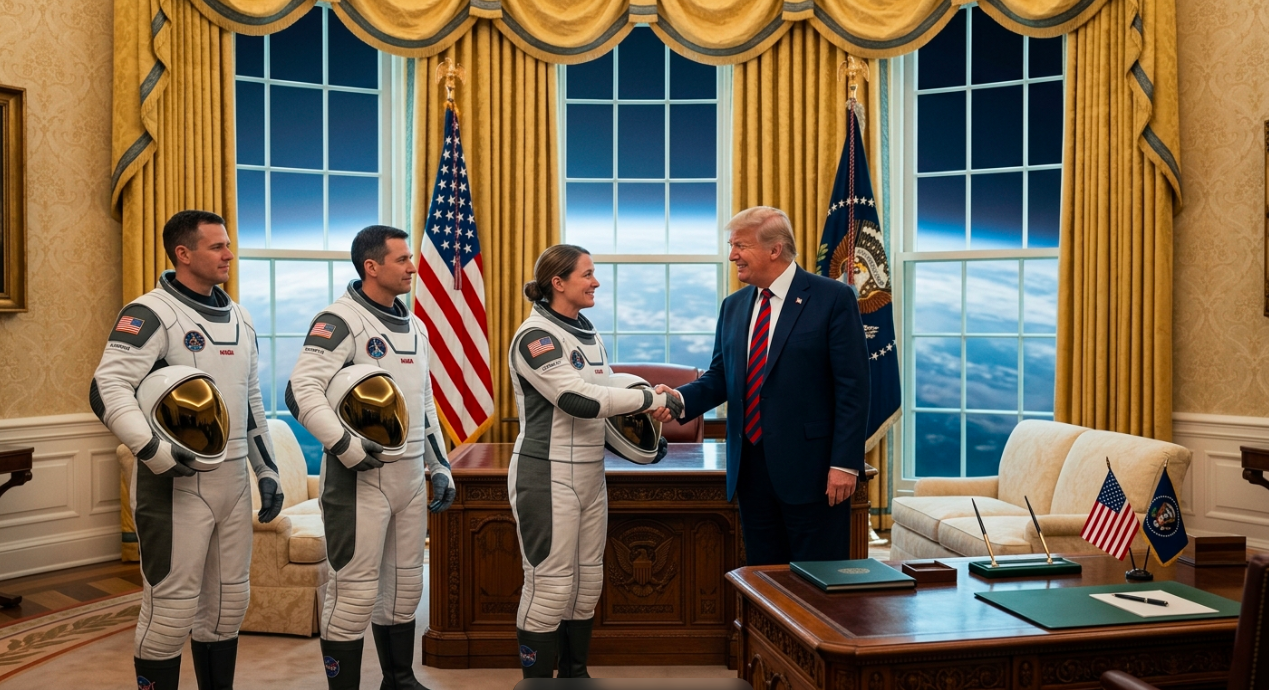
The image of astronauts standing in the Oval Office has always carried symbolic weight. But when Donald Trump welcomed the Artemis II crew after their record-breaking journey beyond the Moon, it represented something bigger than celebration.
It signaled a shift.
A shift in how nations compete.
A shift in how technology shapes power.
And a shift in how close humanity is to living and working beyond Earth.
The Trump Hosts Artemis II Astronauts in Oval Office After Record Lunar Flyby moment isn’t just a headline—it’s a preview of the next global race, and this time, it’s not just about flags and footprints.
A Mission That Quietly Changed the Rules
Led by Reid Wiseman, and joined by Victor Glover, Christina Koch, and Jeremy Hansen, Artemis II wasn’t just another spaceflight.
It pushed humans 252,757 miles from Earth, surpassing the distance achieved during the Apollo 13 mission.
That record matters—but not for nostalgia.
What Actually Changed?
- Deep space is no longer theoretical again
For decades, human missions stayed in low Earth orbit. Artemis II proves systems can support astronauts far beyond that zone.
- Technology has caught up with ambition
The Orion spacecraft isn’t just an upgrade—it’s built for longer missions, higher radiation exposure, and future lunar landings.
- International cooperation is real, not symbolic
Including a Canadian astronaut wasn’t just diplomatic—it signals a coalition approach to space exploration.
This wasn’t Apollo 2.0. It was something more sustainable—and more strategic.
Why the Oval Office Meeting Was More Than Symbolic
When Jared Isaacman credited Trump’s early backing of the Artemis program (launched in 2017), it highlighted something often overlooked:
Space programs are political tools.
Just like the Cold War-era Apollo missions, Artemis is about:
- National prestige
- Economic influence
- Strategic dominance in emerging industries
The White House meeting was a reminder that space exploration doesn’t happen in isolation—it’s shaped by policy, funding, and long-term vision.
If you’ve been following broader geopolitical signals, this aligns with how leadership symbolism still matters. For example, similar diplomatic messaging can be seen in discussions around the U.S.-U.K. alliance in this breakdown:
https://usablogtoday.com/blogs/king-charles-congress-speech-uk-us-relationship
Different stage. Same idea—power is communicated through moments.
The Real Story: A New Lunar Economy Is Emerging
Here’s where things become practical for readers.
This mission isn’t just about astronauts—it’s about building infrastructure.
The Moon Is Becoming an Economic Zone
Artemis is laying the groundwork for:
- Lunar mining (water ice → rocket fuel)
- Satellite positioning and communication hubs
- Scientific labs and long-term habitats
Think of it like the early internet. At first, it was research-driven. Then it became commercial. Then it reshaped everything.
Space is following the same path.
Who Benefits?
- Aerospace companies
- Tech startups working on robotics and AI
- Energy companies exploring off-Earth resources
- Governments securing strategic advantage
Even if you never leave Earth, this affects job markets, investment flows, and innovation cycles.
External Source:
Criticism: Is It Worth the Cost?
No major space program escapes scrutiny—and Artemis is no exception.
Critics argue:
- Billions are being spent while economic challenges remain on Earth
- Timelines have shifted multiple times
- Private companies could deliver cheaper alternatives
These are valid concerns.
But here’s the counterpoint:
Big Investments Create Long-Term Industries
The internet, GPS, and even weather forecasting all came from government-funded space and defense programs.
Without those early investments:
- No global navigation apps
- No satellite internet
- No real-time global communication systems
Artemis could be laying the foundation for the next wave of technologies we can’t fully predict yet.
From Artemis II to Artemis III: Why the Next Step Matters More
Artemis II proved humans can go the distance.
Artemis III will test something harder:
Can humans land and operate on the Moon again—this time sustainably?
What’s Planned
- A crewed lunar landing (target: next mission phase)
- Focus on the Moon’s South Pole
- Use of new landing systems and surface technology
Why the South Pole?
Because that’s where water ice exists—arguably the most valuable resource for long-term space presence.
This is no longer exploration for curiosity.
It’s exploration for permanence.
The Broader Pattern: Space, Politics, and Public Perception
Moments like this don’t exist in isolation.
Public perception of leadership, stability, and national direction is shaped by visible events—whether in space, diplomacy, or crisis response.
You can see this contrast clearly when comparing optimistic milestones like Artemis II with domestic challenges highlighted in coverage such as:
https://usablogtoday.com/blogs/white-house-shooting-news-2026
Or in international diplomacy narratives like:
https://usablogtoday.com/blogs/king-charles-us-state-visit-meaning
The takeaway?
Governments use both achievements and responses to shape trust and authority.
Space success is one of the most powerful tools in that toolkit.
What This Means
For the average reader, this story matters more than it seems.
1. Space Is Becoming a Career Pipeline
Jobs in engineering, AI, robotics, and materials science will increasingly connect to space programs.
2. Technology Will Trickledown Faster
Advancements made for deep space often become consumer technologies within years.
3. Global Competition Will Intensify
The U.S., China, and others are racing not just to explore—but to control key space infrastructure.
4. Economic Opportunities Will Expand
From startups to large corporations, a new sector is forming around lunar logistics and space systems.
This isn’t about astronauts alone.
It’s about the ecosystem forming around them.
Future Outlook: The Decade That Will Decide Space Leadership
The next 5–10 years will define who leads beyond Earth.
Here’s what to watch:
1. Lunar Base Development
Permanent or semi-permanent stations could begin forming by the late 2020s.
2. Public-Private Partnerships
Companies will take a larger role, reducing costs but increasing competition.
3. Resource Utilization
Mining water and producing fuel on the Moon could change mission economics completely.
4. Mars as the Next Target
Success on the Moon is the testing ground for eventual human missions to Mars.
If Artemis III succeeds, it won’t just be a landing—it will be proof that humanity is ready to stay.
FAQs
1. Why is Artemis II important if it didn’t land on the Moon?
Because it validated systems needed for future landings. Without proving humans can safely travel that far, landing missions would be too risky.
2. How is Artemis different from Apollo?
Apollo was short-term and politically driven. Artemis is designed for long-term presence, sustainability, and international cooperation.
3. Why did Trump emphasize this mission?
Because space achievements reflect leadership, innovation, and national strength—key elements in political messaging.
4. What makes the Moon’s South Pole so important?
It contains water ice, which can be converted into drinking water, oxygen, and rocket fuel—essential for long-term missions.
5. Will regular people benefit from this?
Yes. Technologies developed for space often become part of everyday life, from communication systems to medical advancements.
The Bigger Picture
The Trump Hosts Artemis II Astronauts in Oval Office After Record Lunar Flyby moment may look like a simple celebration—but it’s really a signal.
A signal that space is no longer just exploration.
It’s infrastructure.
It’s competition.
It’s the next layer of global influence.
And this time, the goal isn’t just to reach the Moon.
It’s to stay there—and build what comes next.

 US
US