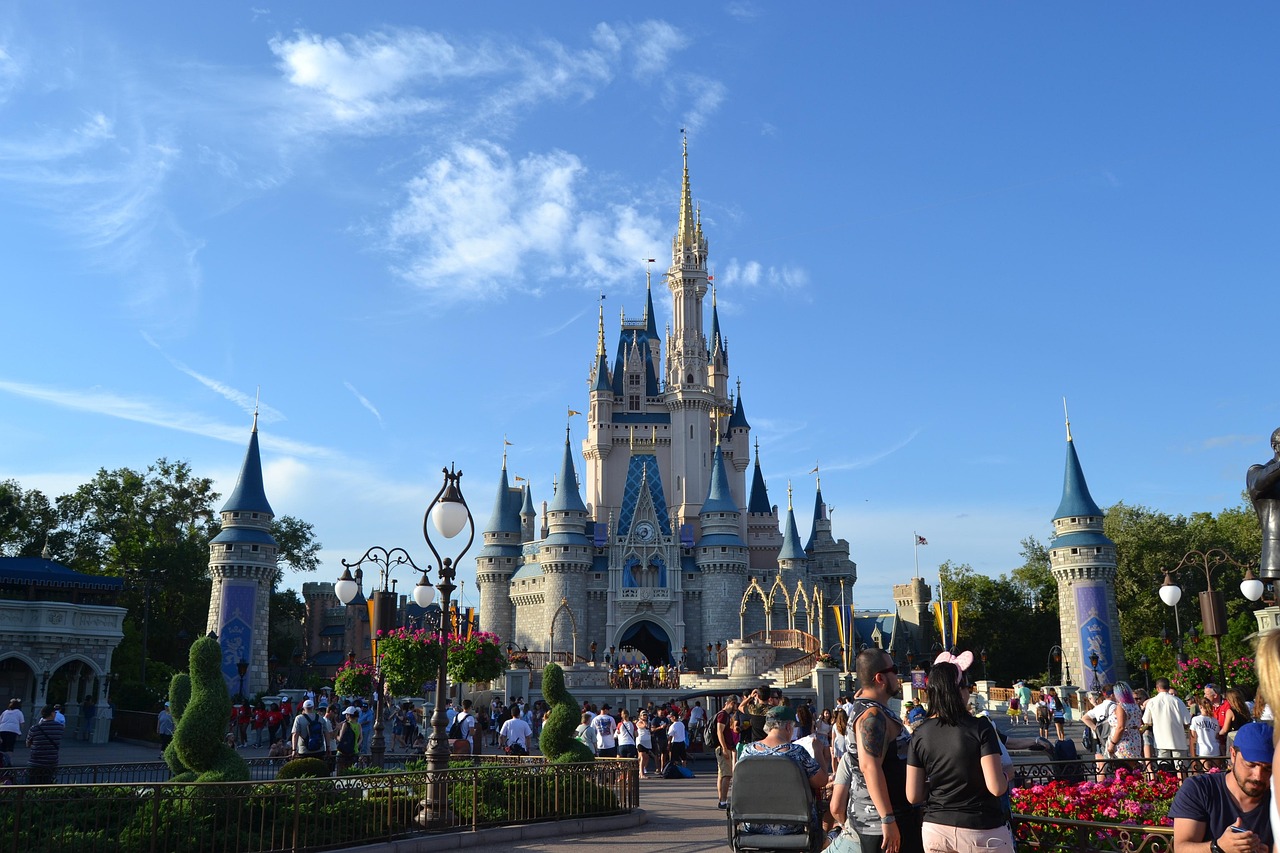
When you think of Disneyland, you probably imagine nostalgia, rides, and carefully crafted magic—not biometric scanning.
But that’s changing.
Disney has begun testing facial recognition technology in select entrance lanes, quietly introducing a new layer of automation into the park experience. On the surface, it’s about faster entry. Underneath, it signals something much bigger: a shift in how physical spaces identify, track, and interact with visitors.
This isn’t just a theme park update. It’s a preview of how identity, privacy, and convenience are being redefined in everyday life.
Why Disneyland Is Experimenting With Facial Recognition
The primary keyword here is facial recognition at Disneyland, but the story isn’t just about technology—it’s about operational strategy.
Disney parks process tens of thousands of visitors daily. Entry bottlenecks aren’t just inconvenient; they affect guest satisfaction, staffing efficiency, and spending behavior inside the park.
The Core Problem: Friction at Entry Points
Traditional entry systems rely on:
- Tickets or digital passes
- ID verification in some cases
- Manual scanning by staff
Even small delays multiply quickly in high-traffic environments.
Facial recognition aims to solve this by turning your face into your ticket—reducing the need for repeated checks.
Why this matters: The faster guests enter, the sooner they engage with attractions, food, and retail—key revenue drivers.
How the Technology Likely Works (Without the Hype)
While Disney hasn’t publicly detailed every technical layer, facial recognition systems generally follow a standard process:
Step 1: Image Capture
A camera scans your face as you approach the entrance.
Step 2: Feature Mapping
The system converts facial features into a unique digital signature.
Step 3: Matching
That signature is compared to a stored image linked to your ticket or account.
Step 4: Verification
If there’s a match, entry is granted—often faster than traditional scanning.
Unlike fingerprint systems, this process is contactless and nearly instant.
Important distinction: This is not necessarily about identifying who you are globally—it’s about verifying that the person entering matches the ticket holder.
The Real Benefit: Speed, Not Surveillance
It’s easy to jump straight to privacy concerns, but from an operational perspective, the immediate goal is simpler: reduce wait times.
Faster Lines = Better Experience
Theme park satisfaction is heavily influenced by time spent waiting—not just for rides, but for everything.
Facial recognition can:
- Shorten entry queues
- Reduce staffing needs at gates
- Minimize ticket fraud or misuse
For visitors, that translates to less stress and more time inside the park.
Scenario: A family arrives during peak hours. Instead of waiting 30 minutes to enter, they’re inside in 10. That difference shapes their entire day.
The Trade-Off: Convenience vs. Privacy
This is where the conversation becomes more complex.
Biometric systems, including facial recognition, raise legitimate concerns—especially when deployed in public spaces.
What Visitors Might Worry About
- Where is the facial data stored?
- How long is it kept?
- Can it be used beyond park entry?
- Is participation optional?
These questions don’t have universal answers because policies vary by implementation.
Disney has historically positioned such tests as optional and limited in scope, but the broader concern remains: normalization.
The Bigger Issue: Gradual Acceptance
When facial recognition appears in a theme park—one of the most controlled, family-friendly environments—it feels less threatening.
That’s precisely why it matters.
Insight: Adoption often begins in low-risk environments before expanding into airports, retail, and public infrastructure.
How This Compares to Other Industries
Disney isn’t the first to explore biometric entry—but it may be one of the most influential.
Airports
Airports worldwide already use facial recognition for:
- Passport control
- Boarding verification
The difference? Travelers expect security measures in airports. In a theme park, expectations are different.
Retail and Stadiums
Some retailers and sports venues have tested biometric systems for:
- VIP access
- Payment authentication
But adoption remains inconsistent due to privacy concerns.
Why Disney Is Different
Disney’s strength lies in experience design.
If facial recognition can be integrated seamlessly—without making guests feel monitored—it could set a new standard for adoption in entertainment spaces.
What This Means for Visitors
For the average visitor, the implications are both immediate and long-term.
Short-Term Impact
- Faster entry into the park
- Less need to manage physical tickets
- Potentially smoother re-entry during the day
Medium-Term Impact
- Integration with apps and digital profiles
- Personalized experiences based on visit patterns
- Reduced reliance on staff at entry points
Long-Term Impact
- Biometric identity becoming a default in entertainment spaces
- Increased expectation of speed and convenience everywhere
Key takeaway: What feels optional today may become standard tomorrow.
The Business Strategy Behind the Move
This isn’t just about technology—it’s about economics.
Efficiency Gains
Automated systems reduce labor costs and human error.
Data Insights
Even limited-use systems can provide insights into:
- Peak entry times
- Visitor flow patterns
- Operational bottlenecks
Competitive Pressure
As other parks and entertainment venues modernize, Disney faces pressure to maintain its reputation for seamless experiences.
Expert perspective: The companies that remove friction fastest often win customer loyalty—even if the underlying technology is invisible.
The Ethical Question: Where Should the Line Be?
Facial recognition sits at the intersection of innovation and ethics.
The Case for Adoption
- Faster, smoother experiences
- Reduced fraud
- Improved operational efficiency
The Case for Caution
- Potential misuse of biometric data
- Lack of transparency in some implementations
- Difficulty opting out in the future
The challenge isn’t choosing one side—it’s finding a balance.
Critical point: Trust will determine whether this technology expands or stalls.
Future Outlook: What Happens Next?
Disney’s experiment is unlikely to remain isolated.
Expansion Within Parks
If successful, facial recognition could extend to:
- Ride access
- Hotel check-ins
- Payment systems
Broader Industry Adoption
Other entertainment companies may follow, especially if Disney demonstrates clear benefits without backlash.
Regulatory Pressure
Governments are increasingly scrutinizing biometric systems. Future regulations could shape how widely—and how quickly—this technology spreads.
Changing Consumer Expectations
Once people experience faster, frictionless entry, they may expect it everywhere—from concerts to shopping centers.
Prediction: Facial recognition will grow—but unevenly, shaped by public trust and legal frameworks.
FAQs
1. Is facial recognition mandatory at Disneyland?
Currently, such systems are typically tested as optional. Guests may still have alternative entry methods.
2. Is my facial data stored permanently?
Policies vary, but most systems are designed to store data temporarily for verification. It’s important to review official privacy disclosures.
3. Does facial recognition make entry significantly faster?
Yes, in high-volume environments, even small time savings per person can dramatically reduce overall wait times.
4. Can this technology be used beyond park entry?
Technically, yes—but whether it will be depends on company policy, user consent, and regulations.
5. Should I be concerned about privacy?
It depends on your comfort level. The key is understanding how your data is used and whether you have a choice to opt out.
The Bigger Picture
Disney isn’t just testing a new way to enter a park—it’s testing how far people are willing to go for convenience.
Facial recognition at Disneyland reflects a broader shift: identity is becoming digital, invisible, and automatic.
For visitors, the question isn’t just “Will this save me time?”
It’s also:
“What am I giving up in exchange?”
And that’s a question that won’t stay inside the gates of a theme park for long.

 Travel