Air travel has quietly entered a new phase of safety scrutiny—this time focused on something millions of passengers carry every day: portable chargers.
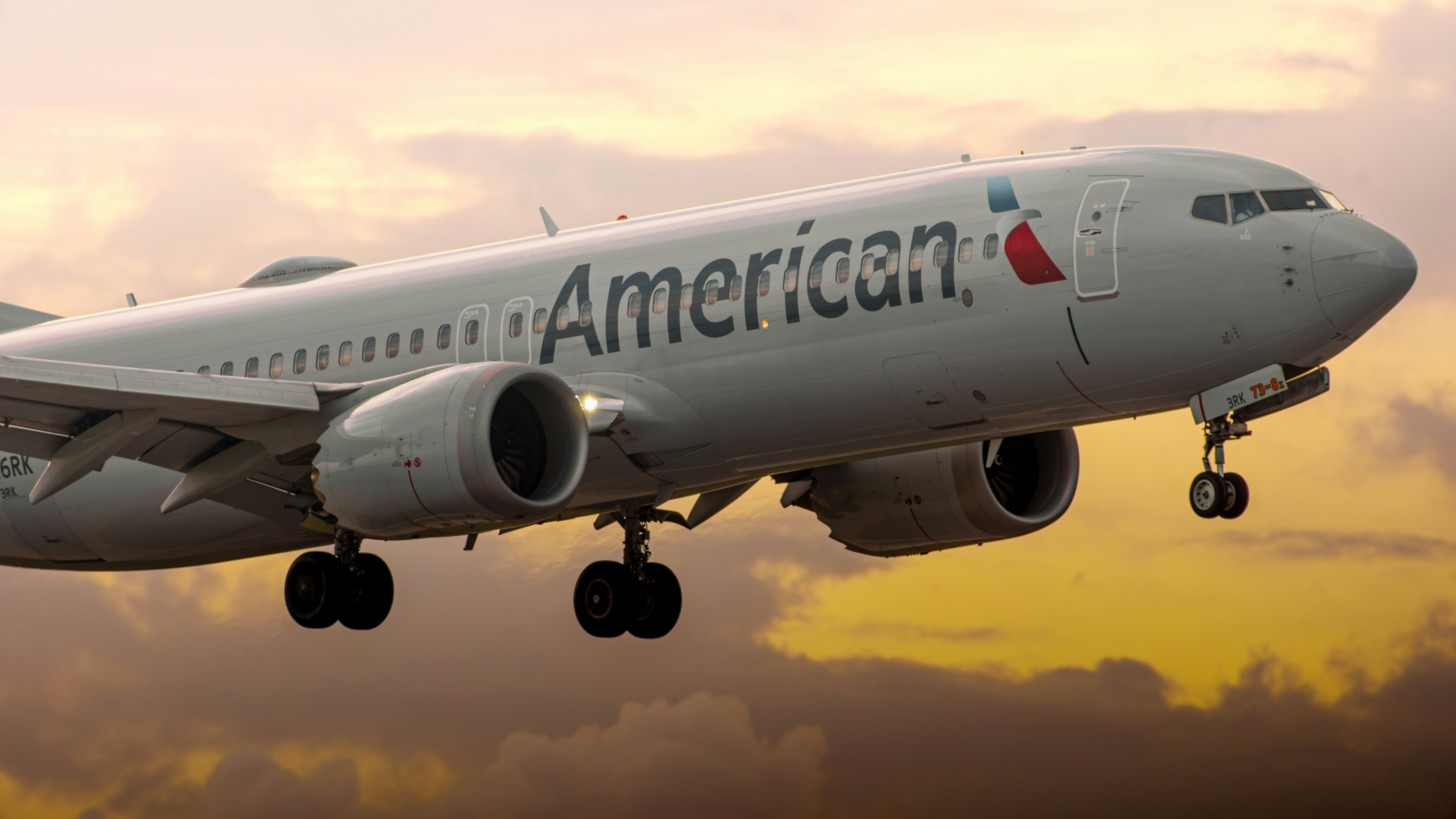
In a move that signals growing concern across the aviation industry, American Airlines is stepping up restrictions on lithium-ion battery packs, aligning more closely with policies already enforced by Southwest Airlines. The goal is straightforward: reduce the risk of in-flight fires caused by overheating batteries.
At first glance, it might seem like a minor policy tweak. But for travelers, tech users, and the airline industry itself, this shift reflects a deeper change in how aviation is responding to modern risks.
Why Portable Chargers Are Suddenly a Big Deal
Lithium-ion batteries power nearly everything—phones, laptops, tablets, and portable chargers. They’re efficient, compact, and powerful. But they also carry a known risk: thermal runaway, a chain reaction that can cause a battery to overheat, catch fire, or even explode.
Inside an aircraft cabin, that risk multiplies.
- Limited space
- High passenger density
- Pressurized environment
- Delayed emergency response options
Even a small fire mid-flight can escalate quickly. That’s why aviation authorities have long prohibited spare lithium batteries in checked luggage. According to the Federal Aviation Administration, spare lithium batteries—including power banks—must be carried in cabin baggage only, not checked luggage (https://www.faa.gov/hazmat/packsafe/lithium-batteries).
What’s Changing?
American Airlines is tightening enforcement around:
- Carry-on-only rules for portable chargers
- Battery size limits (measured in watt-hours)
- Proper storage during flights
- Prohibition of damaged or counterfeit chargers
Passengers can review official restrictions here:
https://www.faa.gov/hazmat/resources/lithium_batteries
This isn’t a reaction to a single event—it’s part of a broader trend driven by increasing incidents globally involving battery-related fires.
The Industry Shift: Not Just One Airline
This isn’t happening in isolation.
Southwest Airlines has already implemented stricter passenger guidelines. Aviation regulators like the Federal Aviation Administration and International Air Transport Association continue to update safety advisories.
For passenger-friendly guidance, you can also check TSA rules here:
https://www.tsa.gov/travel/security-screening/whatcanibring/all?combine=batteries&page=1
Why Now?
Three key reasons:
1. More devices than ever
Passengers today carry multiple battery-powered devices.
2. Cheap, unregulated products
Low-cost chargers often lack safety mechanisms.
3. Increased incident reporting
Battery-related incidents are rising, prompting stricter enforcement. FAA safety updates highlight these risks (https://www.faa.gov/newsroom/lithium-batteries-baggage).
What Travelers Often Get Wrong
Despite years of guidelines, many passengers still misunderstand battery rules.
1. Packing chargers in checked baggage
This violates FAA safety rules.
2. Using damaged chargers
These significantly increase fire risk.
3. Ignoring size limits
Most airlines follow FAA guidelines allowing up to 100Wh without approval
4. Charging devices unattended
Heat buildup is a major risk factor.
The Real Reason Airlines Are Getting Strict
This isn’t just about safety—it’s also about risk management and liability.
Airlines operate on thin margins. A single in-flight fire incident could lead to:
- Emergency landings
- Aircraft damage
- Passenger injuries
- Legal claims
- Regulatory penalties
Regulators like the Federal Aviation Administration emphasize prevention because onboard fires are among the most dangerous emergencies.
What This Means for Travelers
This policy shift has practical consequences:
- You’ll need to pack more carefully
- Expect stricter airport screening
- Devices may be inspected onboard
- Cheap chargers are becoming a liability
Practical Tips to Stay Compliant (and Safe)
- Buy certified chargers
- Check watt-hour ratings
- Keep chargers in carry-on
- Avoid unattended charging
- Inspect devices regularly
For full safety guidance:
https://www.faa.gov/hazmat/packsafe
A Broader Trend: Aviation Adapting to Modern Tech
Air travel rules were built for a different era. Today, passengers carry more battery-powered devices than ever.
Airlines are adapting to:
- Rapid tech adoption
- E-commerce product quality issues
- Growing safety risks
Future Outlook: What Happens Next?
- Global policy standardization
- Smarter fire detection systems
- Restrictions on large power banks
- Increased passenger awareness
- Stricter manufacturing standards
Why This Matters More Than It Seems
At a surface level, this is about portable chargers. But at a deeper level, it reflects how industries manage modern risks at scale.
Air travel remains safe because it evolves quickly.
This move by American Airlines shows how even everyday items can become critical safety concerns.
FAQs
1. Can I still bring a portable charger on a plane?
Yes. Most airlines, including American Airlines, allow them in carry-on bags.
2. What size portable charger is allowed?
Typically up to 100 watt-hours without approval, based on International Air Transport Association guidelines.
3. Why are lithium batteries dangerous on flights?
They can overheat and cause fires, especially in confined cabin environments.
4. Are all airlines enforcing stricter rules now?
Not all, but many—including Southwest Airlines—are tightening policies.
5. What happens if I pack a charger in checked luggage?
It may be removed, as prohibited under Federal Aviation Administration safety rules.
The Bottom Line
Portable chargers aren’t banned—but they are now treated as safety-critical items.
Treat your power bank like a regulated device—not just another gadget.
Because at 30,000 feet, even a small battery can become a big problem.

 Travel