When One Transfer Changes Everything
In modern football, a single transfer is no longer just about a player changing clubs. It can shift league power structures, rewrite financial strategies, and even influence global fan behavior overnight.
The latest superstar transfer bombshell has done exactly that.
A high-profile move involving one of the sport’s most influential players has triggered widespread reactions across clubs, agents, sponsors, and supporters. The deal is not just trending because of the name involved — but because of what it signals: football’s transfer market is entering a new era of extreme valuation, branding control, and strategic dominance.
The real question is not who moved.
It is: why does this transfer matter to every football fan, even those outside the club involved?
The Modern Transfer Market Is No Longer Just Sport — It’s Global Business
Football transfers used to be simple:
- Club A buys player from Club B
- Fee is agreed
- Player joins new squad
Today, it is far more complex.
A single superstar transfer involves:
- Multi-layer commercial negotiations
- Image rights ownership
- Sponsorship restructuring
- Social media influence valuation
- Long-term marketing projections
This means a transfer is no longer just a sporting decision — it is a global business transaction with entertainment, finance, and branding impact.
Why clubs now think like corporations
Top clubs operate more like multinational companies than traditional sports teams. They evaluate players not only by:
- Goals scored
- Assists
- Tactical fit
But also by:
- Jersey sales potential
- Global fan reach
- Streaming engagement
- Sponsorship attraction
This is why superstar transfers often cost far beyond their on-pitch value.
Related topics:
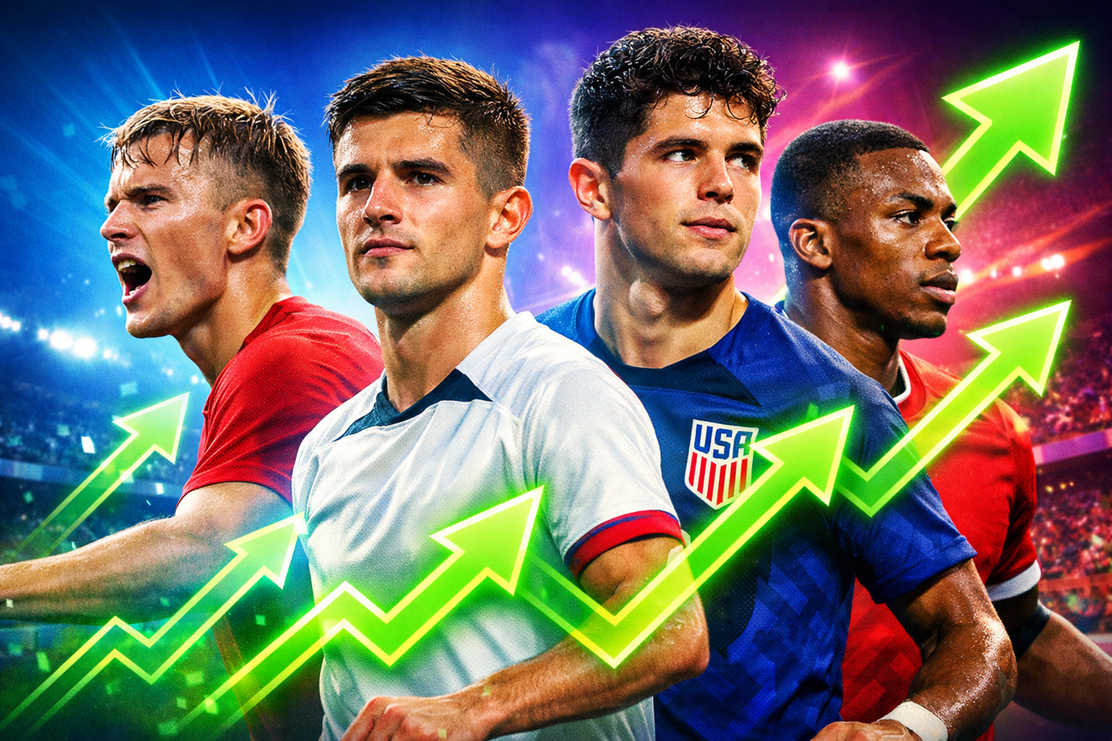
Top Underrated Football Players to Watch in 2026 | Rising Football Stars
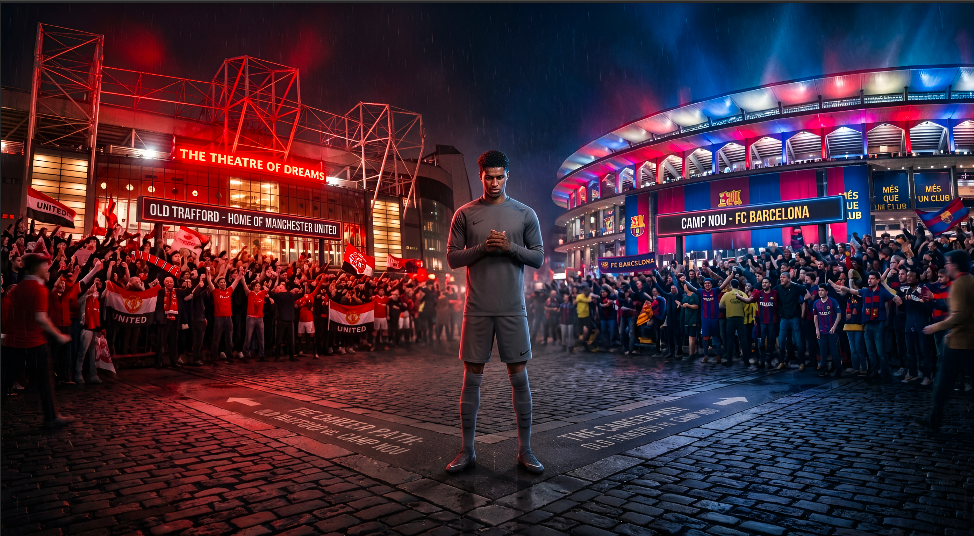
Why Marcus Rashford Must Be Patient Over His Barcelona Future
The “Shockwave Effect”: Why One Transfer Affects the Entire Market
When a major superstar moves clubs, the impact spreads instantly across the football ecosystem.
1. Price inflation across the market
Once a record or high-profile transfer happens, it resets expectations.
Example scenario:
- If Player A is sold for €150M
- Clubs now expect similar players to be worth €120M–€170M
This creates a price ripple effect across the entire transfer market.
2. Smaller clubs adjust their strategy
Mid-tier clubs respond in two ways:
- Sell players earlier at higher prices
- Increase release clauses to avoid sudden losses
This leads to a more aggressive negotiation environment in every transfer window.
3. Rival clubs react instantly
A superstar signing often triggers:
- Counter-transfers
- Tactical rebuilds
- Manager pressure to respond
Football becomes reactive rather than planned.
The Business Behind the Superstar Move
Behind every blockbuster transfer, there are multiple stakeholders:
Agents and negotiation power
Player agents today are as influential as club executives. They manage:
- Salary negotiations
- Sponsorship alignment
- Image rights distribution
A superstar move often strengthens an agent’s long-term influence in the market.
Sponsorship and brand strategy
A single player can influence global brands.
When a star moves:
- Sportswear deals may shift
- Regional marketing campaigns are redesigned
- Merchandising strategies are rebuilt
For example, clubs often recover transfer fees through global merchandise sales and sponsorship expansion.
Broadcast and media impact
Broadcasters benefit massively:
- Increased viewership
- Higher subscription spikes
- Global match interest
A superstar transfer can directly increase league revenue visibility.
What This Means for Fans
This is where the impact becomes personal.
1. Your club identity may shift faster than before
Modern transfers can rapidly change:
- Playing style
- Squad identity
- Long-term strategy
Fans now experience faster emotional cycles — from excitement to uncertainty within weeks.
2. Loyalty is becoming more fluid
With globalized football culture:
- Fans follow players, not just clubs
- Social media drives engagement more than geography
- Player branding competes with club branding
This changes traditional fan loyalty structures.
3. Match quality is indirectly affected
Big transfers can:
- Strengthen top clubs further
- Reduce league competitiveness
- Create dominance gaps
This is a growing debate in modern football analysis.
Expert Breakdown: Why This Transfer Feels Different
Not every big transfer becomes a “shockwave event.”
This one stands out because it combines three factors:
1. Timing in the football cycle
Transfers happening just before major tournaments or league resets have amplified impact because they immediately affect competition balance.
2. Financial scale escalation
Clubs are now operating with:
- Higher revenue streams
- Bigger sponsorship deals
- Global fan monetization
This allows record-breaking deals that were previously impossible.
3. Social media acceleration
Unlike the past, reactions now spread instantly:
- Highlights go viral in minutes
- Opinions form in real time
- Pressure builds before the player even debuts
The transfer is no longer just news — it is a live global event.
Comparison: Old Transfer Era vs Modern Transfer Era
Traditional era
- Slow negotiations
- Local media coverage
- Limited global branding
- Football-first decisions
Modern era
- Real-time global announcements
- Multi-platform marketing campaigns
- Financial modeling beyond sport
- Player as a global brand asset
The difference is not just scale — it is philosophy.
What This Means
This transfer is not just about one player.
It signals a structural shift in football:
1. Football is now a hybrid industry
It combines:
- Sport
- Entertainment
- Global commerce
- Digital influence
2. Transfer fees will keep rising — but for different reasons
Future valuations will depend less on skill alone and more on:
- Marketability
- Global engagement
- Commercial impact
3. Competitive balance may become harder to maintain
Clubs with stronger financial ecosystems will:
- Attract top players more easily
- Sustain dominance longer
- Create wider gaps in leagues
Future Outlook: Where Football Transfers Are Heading
1. Data-driven transfers will dominate
Clubs will increasingly rely on:
- AI scouting systems
- Performance prediction models
- Financial impact forecasting
Transfers will become more scientific than emotional.
2. Player branding will rival club branding
Future superstars may:
- Influence sponsorship direction
- Launch personal media ecosystems
- Negotiate revenue-sharing deals
The player becomes a standalone business.
3. Transfer windows may evolve
There is growing discussion around:
- Shorter transfer periods
- More regulated spending rules
- Financial fair play tightening
The system is under constant evolution.
FAQs
1. Why are superstar transfers so expensive now?
Because clubs now value not only performance but also marketing power, global fan reach, and commercial revenue potential.
2. How do transfers affect smaller clubs?
They often face talent loss but benefit from higher resale values and development-focused strategies.
3. Do big transfers guarantee success?
No. Many high-profile transfers fail due to tactical mismatch, pressure, or adaptation issues.
4. Why do fans react so strongly to transfers?
Because transfers affect identity, emotional attachment, and expectations for success.
5. Will transfer fees keep increasing?
Yes, but growth will depend more on commercial value than purely sporting ability.
Final Perspective
This transfer bombshell is more than just a headline — it is a reflection of how modern football has evolved into a global entertainment economy.
The game is no longer just played on the pitch.
It is negotiated in boardrooms, amplified on social media, and monetized across continents.
And every major transfer now tells us the same thing:
Football is not just changing players — it is changing its identity.


 Sports