When a Film Becomes Bigger Than Its Story
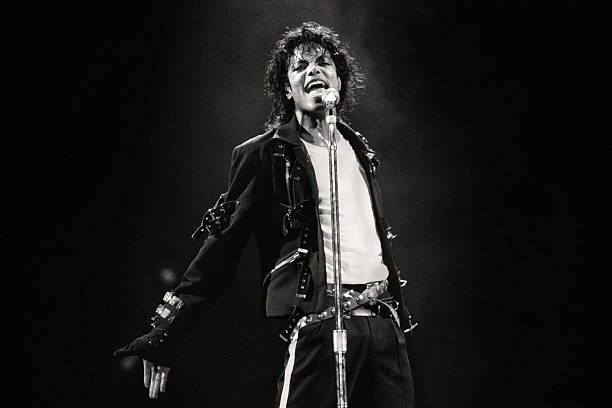
The upcoming Michael Jackson biopic, titled “Michael”, was always expected to attract attention. But what’s unfolding around it goes far beyond a typical Hollywood release.
Instead of just telling the story of one of the most influential entertainers in history, the film has become a cultural flashpoint — where legacy, family loyalty, legal constraints, and unresolved public questions collide.
From a highly emotional family screening in Gary, Indiana — Michael Jackson’s hometown — to renewed debate over how his life should be portrayed, the project has turned into something larger than cinema.
It is now a test case for how modern Hollywood handles complicated historical figures.
And for audiences, it raises a deeper question:
Can you separate an artist’s cultural impact from the controversies that surround their life?
A Homecoming Screening That Set the Tone
One of the most symbolic moments in the film’s rollout happened in Gary, Indiana — the city where Michael Jackson grew up with his siblings.
The screening of “Michael” took place at a local high school, turning the event into a kind of emotional return home. Members of the Jackson family attended, including Michael’s brothers and his son, Prince Jackson. The film’s star, Jaafar Jackson — Michael’s nephew — also appeared, making the moment even more personal.
The atmosphere was celebratory, but also carefully controlled.
Local officials and family members discussed Michael Jackson’s legacy in terms of music, cultural impact, and global influence. But one subject was notably absent from the public conversation.
That silence is part of what makes this biopic so complex.
The Core Tension: Celebration vs. Accountability
The Michael Jackson biopic controversy sits at the center of a long-standing cultural divide.
On one side, millions of fans see Michael Jackson as:
- The “King of Pop”
- A record-breaking global performer
- A figure whose music shaped modern pop culture
On the other side, critics and legal voices point to:
- Long-standing allegations of sexual abuse
- Civil settlements and legal disputes
- Ongoing lawsuits and renewed accusations in recent years
This duality is not new — but the film brings it back into mainstream focus.
What makes this project different is that it is not a documentary. It is a dramatized Hollywood biopic backed by the Jackson estate and produced with family involvement.
That changes everything.
Related Topic:
MICHAEL Box Office Shock: $97M Opening Breaks All Music Biopic Records
Why This Biopic Is Structurally Different From Others
Hollywood has dealt with controversial figures before — from musicians to political leaders — but “Michael” is unusual in three ways.
1. Family Involvement Shapes the Narrative
Unlike many biopics, members of the Jackson family are directly involved in promotional events and public appearances related to the film.
That creates a version of storytelling that is:
- Emotionally intimate
- But also selective in scope
This is not uncommon in legacy-controlled biopics, but in this case, the stakes are significantly higher due to global scrutiny.
External Source:
The Michael Jackson biopic is a drama both onscreen and off
2. Legal Constraints Influence What Can Be Shown
Reports surrounding production indicate that earlier versions of the script were revised due to legal restrictions tied to past settlements.
That means the storytelling boundaries are not purely creative — they are also legal.
In practical terms, this shapes:
- Which events can be referenced
- How certain allegations are handled
- What parts of his life are emphasized or avoided
This is a major reason why the film has already sparked debate before release.
3. The Timeline Choice Changes Interpretation
The film reportedly focuses heavily on Michael Jackson’s earlier years and development as an artist.
That creative choice avoids his later controversies — a decision that has already drawn criticism from some commentators who argue that:
You cannot fully tell his story without addressing the full timeline.
This creates an intentional narrative gap — one that audiences will notice.
The Role of Legacy: Who Controls Cultural Memory?
One of the most important questions raised by this film is not about Michael Jackson alone — it is about who controls legacy in the digital age.
In previous decades, cultural memory was shaped by:
- Newspapers
- Television documentaries
- Biographies
Today, it is shaped by:
- Streaming films
- Social media narratives
- Estate-controlled productions
The Jackson estate’s involvement means the film is not just entertainment — it is also a managed interpretation of history.
That raises an ethical and cultural tension:
- Is this preservation of legacy?
- Or curated storytelling?
What This Means for Audiences
The release of “Michael” is not just about one artist. It reflects a broader shift in how audiences consume biographical storytelling.
1. Viewers are becoming active interpreters
Audiences are no longer passive consumers. They now:
- Research background information in real time
- Compare film narratives with public records
- Engage in online debates immediately after trailers or screenings
This means the film will be judged not only as art — but as interpretation.
2. Trust in biopics is increasingly complicated
Historically, biopics were seen as semi-authoritative storytelling. Today, viewers understand that:
- Some stories are shaped by estates
- Some narratives are legally constrained
- Some perspectives are intentionally omitted
This changes how “truth” is perceived in film.
3. Emotional connection may clash with critical analysis
For many fans, Michael Jackson’s music is deeply personal. Songs like “Thriller,” “Billie Jean,” and “Man in the Mirror” are tied to memory and identity.
That emotional connection can conflict with:
- Critical discussions about his life
- Legal controversies
- Media narratives
The result is a cultural divide that no single film can fully resolve.
Industry Impact: Hollywood’s Risky Biopic Era
The Michael Jackson project also signals a broader trend in entertainment: the rise of high-risk legacy biopics.
Studios are increasingly drawn to:
- Famous global icons
- Controversial public figures
- Built-in audience interest
But these projects come with risks:
- Public backlash
- Legal complications
- Reputation debates
- International sensitivity issues
Studios must now balance storytelling with long-term brand perception.
Future Outlook: What Happens After Release?
The release of “Michael” will likely trigger multiple waves of reaction.
Phase 1: Immediate Public Reaction
- Strong fan support in some regions
- Critical debate in media outlets
- Social media polarization
Phase 2: Cultural Analysis
- Academic discussions about legacy framing
- Documentaries responding to the biopic
- Renewed interviews with legal and cultural experts
Phase 3: Long-Term Legacy Impact
- The film may become part of Michael Jackson’s historical narrative itself
- Future biopics may reference or challenge its portrayal
- Estate-driven storytelling may face increased scrutiny
In essence, the film will not close the conversation — it will extend it.
FAQs
1. Why is the Michael Jackson biopic controversial?
Because it focuses heavily on his early life while avoiding deeper exploration of later legal controversies, leading to debate over selective storytelling.
2. Is the Jackson family involved in the film?
Yes, members of the Jackson family and Michael’s estate are involved in screenings and promotional discussions.
3. Why is Gary, Indiana important in the film’s rollout?
It is Michael Jackson’s childhood hometown and was chosen for an emotional screening and family-centered event.
4. Does the film address allegations against Michael Jackson?
Reports suggest earlier versions did, but the final cut reportedly limits or excludes detailed references due to legal and narrative constraints.
5. Why does this biopic matter beyond entertainment?
Because it highlights how modern media shapes public memory of controversial figures, influencing how history is remembered and interpreted.
Closing Perspective: A Story That Doesn’t End With the Credits
The Michael Jackson biopic is not just a film release — it is a cultural negotiation.
It sits at the intersection of:
- Art and accountability
- Memory and media control
- Celebration and criticism
And perhaps most importantly, it forces audiences to confront a difficult reality:
Some stories cannot be fully resolved on screen — because they continue to evolve in public memory long after the film ends.

 Entertainment