Introduction: The Hidden Energy Crisis in Modern Life
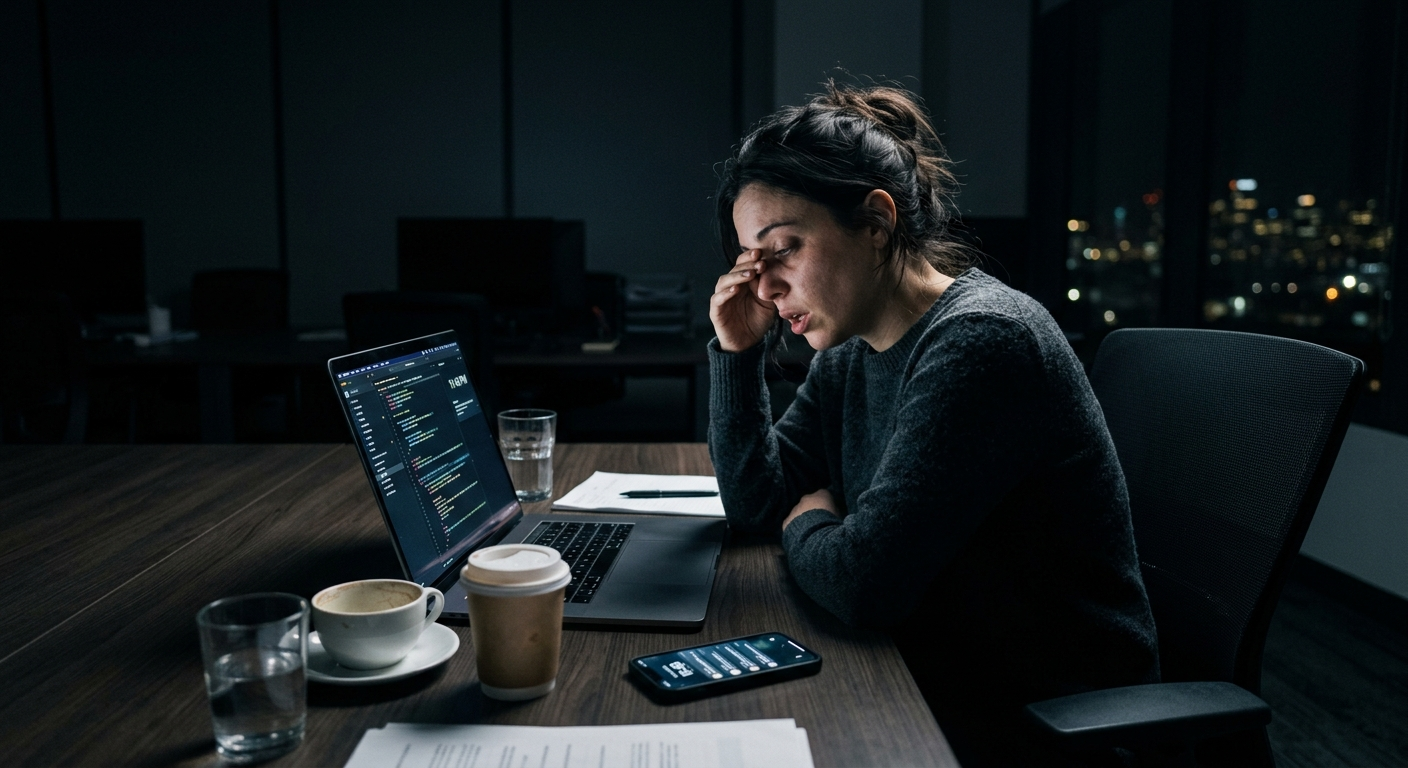
Across workplaces, homes, and digital spaces, a subtle but growing concern is emerging: people feel tired even when they are not physically overworked.
Health professionals and behavioral experts are increasingly pointing toward a common cause — everyday lifestyle habits that silently drain energy levels throughout the day.
Unlike obvious causes such as lack of sleep or illness, these patterns are harder to detect because they are embedded in normal routines:
- how people start their mornings
- how they use their phones
- how they manage attention
- and even how they eat and think
The result is a modern lifestyle paradox:
people are constantly “active,” yet consistently low on energy.
This raises an important question:
Why does this matter to the average reader?
Because energy is not just about feeling awake — it directly affects:
- productivity
- mood stability
- decision-making quality
- long-term health outcomes
Understanding these hidden drains is becoming essential in today’s fast-paced digital environment.
Related topic:
Morning Routine Becomes Key Factor in Modern Lifestyle Shifts, Experts Suggest
Why Waiting at the Right Time Can Change Your Entire Life
The Modern Energy Problem: Why Fatigue Is Increasing Even in Restful Lives
The shift from physical fatigue to mental fatigue
Traditionally, exhaustion came from physical labor. Today, most people are:
- sitting longer
- moving less
- consuming more information
Yet fatigue levels are rising.
Experts suggest this is because modern exhaustion is increasingly cognitive and emotional, not physical.
Information overload as a silent drain
Constant exposure to:
- notifications
- social media updates
- news cycles
- work messages
forces the brain into a near-permanent state of partial attention.
This condition reduces mental clarity and creates what psychologists call “attention fragmentation fatigue.”
The 7 Lifestyle Habits That Drain Energy Daily
1. Waking up and immediately checking the phone
One of the most widespread habits today is reaching for the phone within minutes of waking.
This triggers:
- instant cognitive load
- emotional comparison (social media)
- reactive thinking instead of structured planning
Experts suggest this habit disrupts natural morning brain recovery cycles.
Impact:
The day starts with external input instead of internal control.
2. Constant multitasking during work or study
Multitasking feels productive but is scientifically inefficient.
Switching between tasks:
- increases mental friction
- reduces deep focus capacity
- burns cognitive energy faster
Example scenario:
A person replying to emails while attending meetings often feels tired faster than someone doing focused single-task work.
3. Irregular eating patterns and sugar dependency
Energy is strongly tied to blood sugar stability.
Common modern patterns include:
- skipping breakfast
- high sugar snacks
- irregular meal timing
This leads to:
- energy spikes followed by crashes
- irritability
- reduced concentration
4. Sitting for long periods without movement
Even in non-physical jobs, prolonged sitting causes:
- reduced blood circulation
- slower metabolism
- mental sluggishness
Short movement breaks improve oxygen flow to the brain and restore alertness.
5. Overconsumption of digital content
Binge-watching, endless scrolling, and rapid content switching overload the brain’s reward system.
This creates:
- dopamine fatigue
- reduced motivation for real-world tasks
- mental numbness
This is often overlooked because it feels like “relaxation,” but it is still cognitive stimulation.
6. Poor sleep consistency (not just sleep duration)
Many people assume sleeping 7–8 hours is enough. However:
- irregular sleep timing
- late-night screen exposure
- inconsistent wake-up times
all disrupt circadian rhythm stability.
This leads to “low-quality rest,” even if sleep duration seems sufficient.
7. Emotional overload and lack of mental boundaries
Modern life blurs boundaries between:
- work and personal life
- online and offline identity
- social expectations and personal needs
Constant emotional processing leads to hidden exhaustion that is not always physically visible.
Expert Insight: Why These Habits Are So Dangerous
The key issue is not any single habit — it is their combined effect.
When these patterns stack together:
- mornings begin with distraction
- attention remains fragmented
- energy never fully stabilizes
- recovery time becomes insufficient
This creates a cycle of chronic low energy that many people misinterpret as “normal tiredness.”
A behavioral science perspective
Experts in behavioral psychology note that energy is not just biological — it is also behaviorally managed.
This means:
- attention = energy
- decisions = energy
- emotional reactions = energy
Modern lifestyles are unintentionally structured to consume all three simultaneously.
What This Means: Why Readers Should Care
Understanding these energy drains has real-world implications.
1. Productivity is directly affected
Low energy leads to:
- slower decision-making
- reduced focus span
- more mistakes
This impacts work performance, academic results, and career growth.
2. Mental health stability is influenced
Chronic fatigue contributes to:
- irritability
- anxiety sensitivity
- emotional burnout
Even without major life changes, energy depletion can affect emotional balance.
3. Long-term lifestyle quality declines
Over time, these habits contribute to:
- reduced motivation
- lower physical activity
- weaker discipline cycles
This creates a feedback loop that is difficult to reverse without awareness.
Future Outlook: Where Energy Management Is Heading
1. Rise of “energy-based productivity systems”
Instead of time-based productivity (hours worked), future systems will focus on:
- energy peaks
- cognitive load cycles
- recovery intervals
This shift is already emerging in corporate wellness programs.
2. Smart devices tracking energy patterns
Wearables and health apps are increasingly monitoring:
- sleep quality
- stress levels
- activity balance
Future systems may recommend daily routines based on real-time energy data.
3. Workplace redesign for cognitive sustainability
Companies are beginning to experiment with:
- focus blocks
- reduced meeting loads
- screen-free time windows
The goal is to reduce burnout and improve long-term output.
Practical Takeaways (Expert-Style Breakdown)
Instead of complex lifestyle changes, experts recommend starting with small adjustments:
- Delay phone use after waking up by 20–30 minutes
- Reduce task switching during work sessions
- Introduce short movement breaks every hour
- Stabilize sleep timing (not just duration)
- Limit passive digital consumption
These small changes compound over time and significantly improve energy stability.
FAQs
1. Why do I feel tired even after sleeping enough?
Because energy depends not only on sleep duration but also on sleep quality, mental load, and daily habits.
2. Is phone use in the morning really harmful?
Yes. It immediately shifts the brain into reactive mode and increases mental load early in the day.
3. Can diet affect daily energy levels?
Absolutely. Irregular eating and high sugar intake cause energy spikes and crashes throughout the day.
4. How long does it take to fix energy-draining habits?
Most people notice improvements within 1–3 weeks of consistent behavioral changes.
5. What is the biggest hidden cause of low energy today?
Experts often point to constant digital stimulation and attention fragmentation as the most overlooked factor.
Final Perspective
Modern fatigue is no longer just about physical effort — it is the result of how daily life is structured in a digital, always-connected environment.
The real challenge is not working harder or sleeping longer, but understanding how small lifestyle patterns quietly shape energy levels throughout the day.
Once identified, these habits are not difficult to change — but ignoring them means continuing a cycle of unnecessary exhaustion in everyday life.

 Lifestyle