Planning your first trip abroad can feel like standing at the edge of a map that suddenly became real. The excitement is there—but so is uncertainty. Where do you go when everything is new? What if something goes wrong? What if you pick the “wrong” destination?
To answer that, we looked beyond generic travel lists and asked a simple, practical question: Where would professionals send someone traveling internationally for the first time?
Across different backgrounds and experiences, the answer kept repeating: Japan.
This isn’t about hype or trend-driven travel. It reflects something deeper about how modern travel works—and what first-time travelers actually need to succeed, not just survive, their first trip abroad.
Why Japan Stands Out for First-Time International Travelers
The keyword here—first-time international travelers—is often misunderstood. It’s not just about being new to travel. It’s about navigating unfamiliar systems, cultures, and expectations all at once.
Japan excels because it removes friction without removing discovery.
A Rare Balance: Predictability Meets Cultural Depth
Most destinations fall into one of two categories:
- Easy but familiar
- Exciting but overwhelming
Japan sits in the middle.
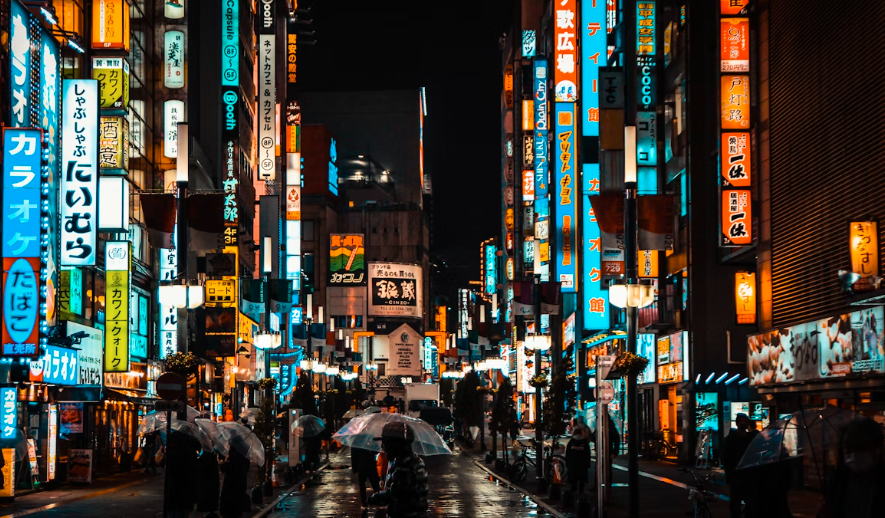
Cities like Tokyo are highly organized, with efficient public systems and clear urban structure. Yet they feel completely different from anywhere else—visually, culturally, and socially.
Meanwhile, Kyoto offers a more traditional experience, with historic districts, temples, and slower-paced exploration.
Why this matters: First-time travelers don’t want a watered-down experience. They want something authentic—but not chaotic. Japan delivers both.
Safety Isn’t Just Comfort—It’s Freedom
One of the biggest barriers for new international travelers is fear. Not always obvious fear, but subtle hesitation:
- “Is it safe to walk here?”
- “What if I lose something?”
- “Can I trust this place?”
Japan consistently ranks among the safest countries globally. But beyond statistics, it’s the feeling of safety that matters.
You can walk late at night. You can navigate unfamiliar neighborhoods. You can make small mistakes without serious consequences.
Real-world impact: When safety is not a concern, decision-making becomes easier. You explore more, interact more, and gain confidence faster.
Transportation That Teaches You How to Travel
For many first-time international travelers, transportation is the most intimidating part of the journey.
Japan flips that experience.
The Shinkansen (bullet train) connects major cities with speed and precision. Local train systems, though complex on the surface, are highly structured and supported by multilingual signage.
This creates a learning environment rather than a stressful one.
Insight: Navigating Japan’s transport system gives travelers a transferable skill—confidence in moving through unfamiliar environments. That confidence carries into every future trip.
Food as a Gateway, Not a Barrier
Food anxiety is real for beginners. Dietary restrictions, unfamiliar ingredients, and ordering challenges can create unnecessary stress.
Japan minimizes those issues.
Dishes like Sushi and Ramen are globally recognized, making them approachable entry points. At the same time, there’s depth for those who want to explore further.
Menus often include images, and even convenience stores offer high-quality, ready-to-eat meals.
Why this matters: When food becomes easy, travelers are more open to experimentation—and that’s where cultural immersion begins.
Cultural Immersion Without Intimidation
Some destinations demand preparation. Language, customs, and etiquette can feel like barriers if you’re not ready.
Japan is different.
Respect is central to the culture, but perfection isn’t expected from visitors. Simple gestures—politeness, awareness, willingness to learn—go a long way.
You can participate in cultural experiences without fully understanding every detail, and still find meaning in them.
Comparison: In more complex cultural environments, mistakes can feel uncomfortable. In Japan, they often feel like part of the learning process.
Infrastructure That Supports, Not Confuses
First-time international travel often involves small but critical challenges:
- Finding your hotel
- Understanding payment systems
- Navigating public spaces
Japan reduces these pain points through strong infrastructure:
- Clear signage in major areas
- Organized public services
- Reliable accommodations
- Increasing support for digital payments
Practical takeaway: Less time spent solving problems means more time actually experiencing the destination.
How Japan Compares to Other First-Time Destinations
Travel experts don’t ignore other options—but they highlight trade-offs.
Europe (e.g., Paris, Rome)
Europe is often seen as the default first trip. It offers familiarity through global exposure—movies, media, and history.
But it also comes with challenges:
- Pickpocketing in tourist-heavy areas
- Language variation across countries
- Inconsistent service expectations
Takeaway: Easier culturally, but less predictable logistically.
Southeast Asia (e.g., Bangkok)
Popular for affordability and vibrant experiences.
However:
- Traffic and infrastructure can be overwhelming
- Heat, crowds, and noise can be intense
- Systems are less standardized
Takeaway: Exciting, but potentially overwhelming for beginners.
English-Speaking Countries (e.g., Sydney)
These destinations remove language barriers almost entirely.
But:
- Cultural differences are less pronounced
- The experience may feel less transformative
Takeaway: Comfortable, but not always memorable in a “first-time” sense.
Japan’s Advantage
Japan offers something rare:
High cultural contrast + high operational clarity
That combination is what makes it ideal for first-time international travelers.
What This Means for First-Time International Travelers
Your first international trip isn’t just another vacation—it sets the tone for how you see the world.
A difficult first experience can create hesitation about traveling again. A smooth, enriching one can open the door to a lifetime of exploration.
Japan increases the odds of a positive first experience by:
- Reducing uncertainty
- Building confidence quickly
- Offering meaningful cultural exposure
- Providing a sense of accomplishment
Bottom line: It’s not just about visiting Japan—it’s about learning how to travel.
Practical Tips for Planning Your First Trip to Japan
Start With a Simple Itinerary
Focus on 2–3 cities:
- Tokyo for modern experiences
- Kyoto for traditional culture
- Optional: Osaka for food and nightlife
Learn Basic Travel Skills
- Use navigation apps for trains
- Understand cash vs. card usage
- Save hotel and destination addresses offline
Travel During Shoulder Seasons
Spring and autumn are popular—but also crowded. Consider slightly off-peak periods for a smoother experience.
Keep Expectations Flexible
Not everything will go perfectly—and that’s part of the experience. Japan’s structure makes it easier to adapt.
Future Outlook: Will Japan Remain the Top Choice?
Japan’s position as a top destination for first-time international travelers is strong—but evolving.
Growing Tourism Demand
Increased global interest means more visitors, especially in major cities. This may lead to crowding during peak seasons.
Expanding Accessibility
Japan continues improving multilingual support, digital tools, and tourist services, making it even more accessible.
Shifting Traveler Behavior
Modern travelers are more independent and tech-savvy. Japan’s systems align well with this shift.
Prediction: Japan will remain a leading choice—but travelers who plan strategically (timing, destinations, pacing) will get the most value.
FAQs
1. Is Japan too expensive for first-time international travelers?
It can be moderate to expensive, but there are ways to manage costs—budget accommodations, transport passes, and affordable dining options make it accessible with planning.
2. Do first-time travelers need to speak Japanese?
No. English support is widely available in major cities, and translation apps help fill the gaps.
3. How long should a first trip to Japan be?
Around 7–10 days is ideal. It provides enough time to explore multiple cities without feeling rushed.
4. Is Japan suitable for solo first-time travelers?
Yes. Its safety, structure, and cultural norms make it one of the best destinations for solo beginners.
5. What’s the biggest mistake first-time travelers make in Japan?
Trying to do too much. Overpacking the itinerary can reduce enjoyment. Slower travel leads to a better experience.
The Bigger Insight
The fact that multiple travel professionals independently recommend Japan isn’t coincidence—it reflects a shift in what matters most in travel today.
People aren’t just looking for destinations. They’re looking for experiences that are meaningful, manageable, and confidence-building.
Japan meets that need better than almost anywhere else.
And for first-time international travelers, that can make all the difference between a one-time trip—and the beginning of a lifelong journey.

 Travel