In a landmark agreement that could reshape urban transportation globally, Uber and Rivian Automotive have joined forces to deploy fully autonomous Rivian R2 robotaxis across North America and Europe. The deal, valued at up to $1.25 billion, signals Uber’s commitment to building its own self-driving fleet, rather than relying solely on third-party partners, and marks a critical step toward the widespread adoption of driverless rideshare services.
This partnership combines Uber’s extensive ride-hailing platform with Rivian’s expertise in electric vehicles (EVs), autonomous driving technology, and scalable fleet production. Industry analysts describe it as a pivotal moment in the autonomous vehicle market 2026, with the potential to redefine urban mobility for millions of commuters.
Overview of the Uber–Rivian Robotaxi Agreement
The agreement outlines Uber’s plan to invest up to $1.25 billion in Rivian over several years. The investment is tied to specific milestones in autonomous vehicle technology, ensuring that Rivian continues to make progress toward safe and efficient level-4 autonomous vehicles.
Key components of the partnership include:
-
Minimum 10,000 Rivian R2 SUVs: Uber and its fleet partners will acquire at least 10,000 vehicles for deployment in select cities.
-
Option to expand to 50,000 robotaxis: By 2031, Uber could scale its fleet to 50,000 fully autonomous EVs, creating one of the largest driverless fleets in the world.
-
Initial rollout in major U.S. cities: The first fully autonomous vehicles will operate in cities such as San Francisco and Miami, followed by a phased expansion to 25 cities across North America and Europe.
This phased rollout ensures Uber and Rivian can adapt to regional regulations, assess technology performance, and build customer trust while gradually scaling their driverless rideshare services.
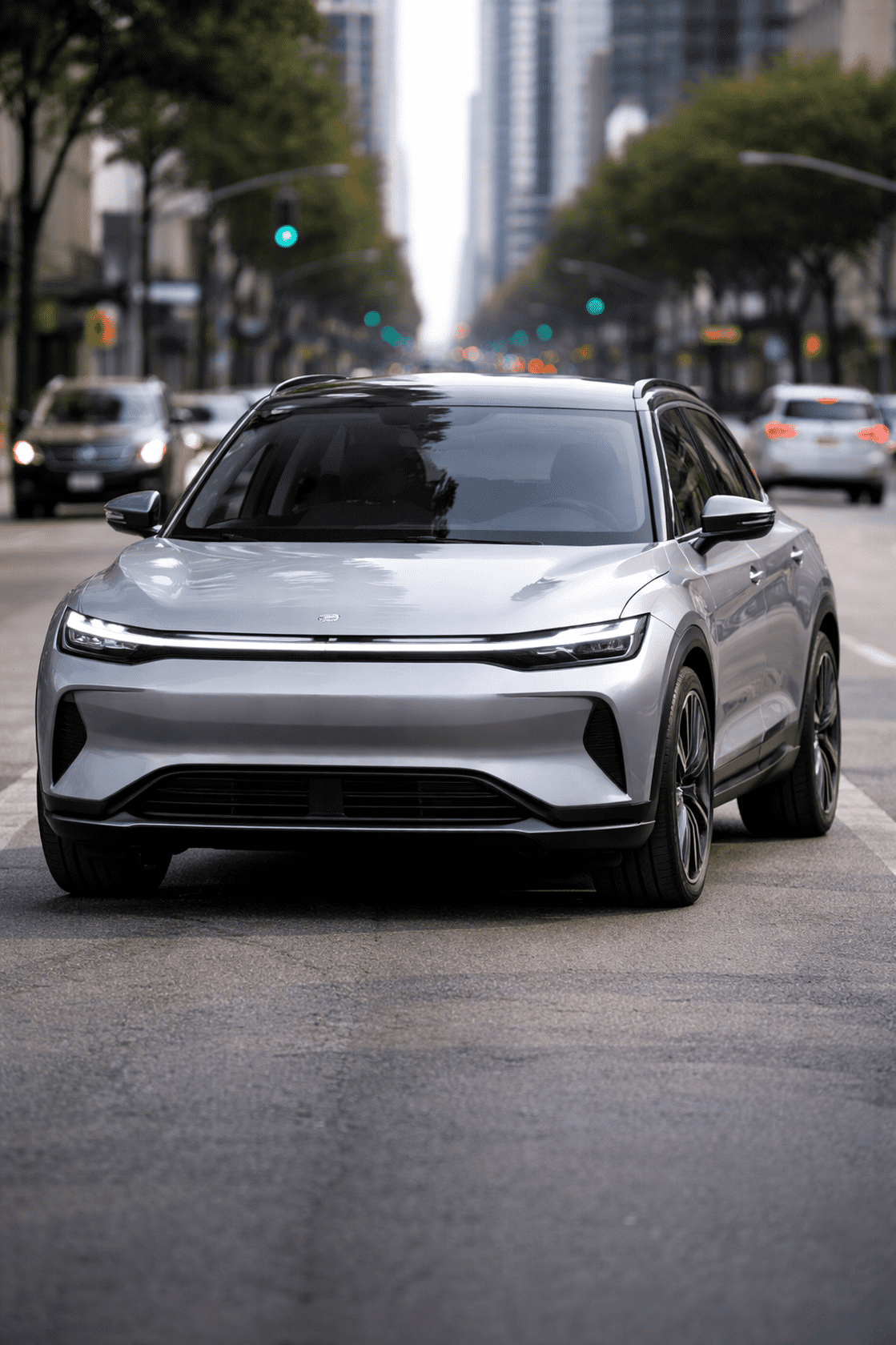
Image caption/alt-text: “Rivian R2 robotaxi prototype ready for deployment in Uber autonomous fleet”
Why the Partnership Matters
The Uber–Rivian collaboration carries significant implications for the autonomous vehicle fleet industry, urban mobility solutions, and the future of ride-hailing services:
Commitment to Level-4 Autonomy
Uber has experimented with autonomous technology for several years, often relying on third-party technology providers. This deal reflects a more committed approach, with Uber directly investing in Rivian’s technology to achieve level-4 autonomy. These vehicles are designed to operate without a human driver in most urban and highway conditions, reducing reliance on safety drivers and increasing operational efficiency.
Accelerating Driverless Rideshare Adoption
The deployment of up to 50,000 fully autonomous vehicles could accelerate the adoption of driverless rideshare services, offering commuters safer, more efficient, and more environmentally friendly transportation. Combining Rivian’s EV expertise with Uber’s global network positions the partnership as a leader in urban mobility solutions.
Advancing Autonomous Vehicle Technology
The Rivian R2 SUV will feature advanced sensors, AI-driven software, and computing power to support level-4 autonomy. These capabilities are critical to ensuring safe operations in complex city traffic, including pedestrians, cyclists, and varying weather conditions. Uber intends to integrate these vehicles into its platform seamlessly, allowing for automated ride scheduling, fleet management, and dynamic routing.
Image caption/alt-text: “Rivian R2 robotaxi equipped with autonomous sensors and AI technology”
Impact on Rivian
For Rivian, a company primarily known for its consumer EVs, this partnership provides a major revenue stream and validates its ambitions in the robotaxi sector:
-
Diversification of products: The R2 robotaxi represents a separate product line from Rivian’s consumer-focused vehicles.
-
Scaling production: The deal enables Rivian to expand manufacturing while refining its autonomous technologies.
-
Investor confidence: Following the announcement, Rivian’s stock surged as investors recognized the long-term growth potential tied to large-scale fleet deployment.
This move could position Rivian as a major supplier of EV robotaxis worldwide, expanding its brand beyond consumer vehicles into commercial autonomous fleets.
The Competitive Robotaxi Market in 2026
Uber and Rivian enter a highly competitive autonomous vehicle market, where several companies are racing to deploy robotaxis at scale:
-
Waymo operates thousands of autonomous vehicles and plans further expansion across U.S. cities.
-
Tesla has announced its Cybercab robotaxi for mass-market self-driving services.
-
Other AV firms, including Cruise, Aurora, and Zoox, are deploying fleets in urban centers, aiming to capture market share in the fast-growing driverless ride-hailing industry.
By collaborating with Rivian, Uber ensures a scalable and integrated autonomous fleet, giving it a competitive advantage and reinforcing its position in self-driving fleet expansion.
Challenges Facing the Partnership
Despite the promising outlook, the Uber–Rivian initiative faces several key challenges:
-
Regulatory approvals: Autonomous vehicles must meet varying federal and state safety regulations, which could slow deployment.
-
Technology reliability: Consistently achieving level-4 autonomy across different urban and highway environments is complex.
-
Public trust: Educating riders about the safety and reliability of driverless rideshare services is essential.
-
Infrastructure readiness: Cities will need to enhance charging networks and optimize traffic systems to accommodate a large-scale electric robotaxi fleet.
Addressing these challenges is critical to the success of large-scale autonomous vehicle deployments and broader adoption of urban mobility solutions.
Image caption/alt-text: “Rivian R2 robotaxis during pilot testing in a city environment”
Future Rollout Plans
Uber and Rivian are planning a phased rollout to ensure smooth deployment:
-
Phase 1 (2028): Pilot programs in five U.S. cities to test operations and refine autonomous vehicle performance.
-
Phase 2: Expansion to 25 cities, analyzing operational data to optimize fleet efficiency and safety.
-
Phase 3 (2031): Full-scale deployment of up to 50,000 electric robotaxis, positioning Uber as a leader in autonomous urban mobility.
This phased approach allows Uber and Rivian to adapt their strategies according to real-world conditions, public response, and regulatory feedback.
Conclusion
The Uber–Rivian partnership represents a major milestone in the evolution of autonomous vehicle fleets and urban mobility solutions. By combining Uber’s global ride-hailing platform with Rivian’s electric vehicle and autonomous technology expertise, both companies are well-positioned to lead driverless ride-hailing services in the coming decade.
With significant investments, strategic rollout plans, and ambitious fleet targets, this collaboration could fundamentally transform city transportation. The era of fully autonomous robotaxis is approaching, offering safer, more efficient, and environmentally friendly options for millions of commuters worldwide.

 Business