A recent fuel shortage in Australia has raised concerns among drivers after dozens of petrol stations reportedly ran out of fuel due to panic buying. Long lines of vehicles, empty fuel pumps, and temporary station closures have been reported in several areas as motorists rushed to fill their tanks amid fears of supply disruptions.
While authorities say the overall fuel supply remains stable, the sudden surge in demand has created short-term shortages at individual petrol stations. The situation highlights how quickly panic buying can affect essential services like fuel distribution.
Panic Buying Triggers Sudden Fuel Demand
The Australia fuel shortage news began when concerns about potential supply issues started circulating among the public. As rumors spread through social media and local communities, many drivers rushed to nearby petrol stations to fill their vehicles and fuel containers.
This rapid increase in demand placed heavy pressure on petrol stations that normally operate based on predictable daily fuel sales. When a large number of customers arrived at the same time, pumps emptied much faster than usual.
Experts say panic buying often creates temporary supply problems, even when enough fuel exists in the broader supply chain. When demand suddenly increases beyond normal levels, local stations can quickly run out before the next fuel delivery arrives.
Dozens of Petrol Stations Run Out of Fuel
Reports indicate that dozens of Australian petrol stations ran out of fuel during the surge in demand. In some locations, petrol stations were forced to shut down pumps temporarily after exhausting their fuel reserves.
Drivers reported waiting in long queues, sometimes traveling to multiple stations in search of petrol. In certain areas, station operators introduced limits on the amount of fuel customers could purchase in order to prevent a small number of buyers from clearing out entire supplies.
These measures were intended to ensure that fuel remained available for more customers while new deliveries were being arranged.
Authorities Urge Drivers to Avoid Panic Buying
Government officials and energy experts have urged motorists to remain calm and avoid unnecessary fuel purchases. They emphasized that the Australian fuel supply system is still functioning normally.
According to industry representatives, the current shortage is not due to a lack of fuel nationwide. Instead, it is mainly caused by sudden and unusually high demand created by panic buying.
Authorities warned that purchasing fuel in large quantities can worsen the situation because it drains local station supplies faster than normal delivery schedules can replenish them.
Drivers have been encouraged to continue buying fuel as they normally would rather than filling extra containers or topping up tanks unnecessarily.
Impact on Drivers and Daily Transportation
The petrol shortage in Australia has created inconvenience for many drivers, particularly those who rely on their vehicles for work or commuting. Delivery drivers, taxi services, and small businesses that depend heavily on transportation have been among the most affected.
Some drivers reported spending extra time searching for petrol stations that still had fuel available. This situation caused delays for people traveling to work or running important errands.
Transport companies also expressed concern that ongoing shortages at local stations could temporarily disrupt logistics operations. Businesses that rely on delivery services often require consistent fuel access to maintain schedules and customer service.
Although the shortages are expected to be temporary, the disruption shows how quickly fuel supply issues can affect everyday life.
Why Panic Buying Happens During Fuel Shortages
Panic buying is a common reaction when people believe that essential goods may soon become unavailable. When individuals see others purchasing large quantities of fuel, they may feel pressured to do the same in order to avoid being left without supply.
This behavior creates a chain reaction where more and more people begin buying extra fuel, which accelerates the depletion of available stock.
Experts explain that panic buying fuel shortages are often psychological rather than supply-based. In many cases, there is enough fuel available nationwide, but local stations cannot keep up with sudden demand spikes.
Similar situations have occurred in the past with groceries, toilet paper, and other essential products during times of uncertainty.
How the Fuel Supply Chain Works
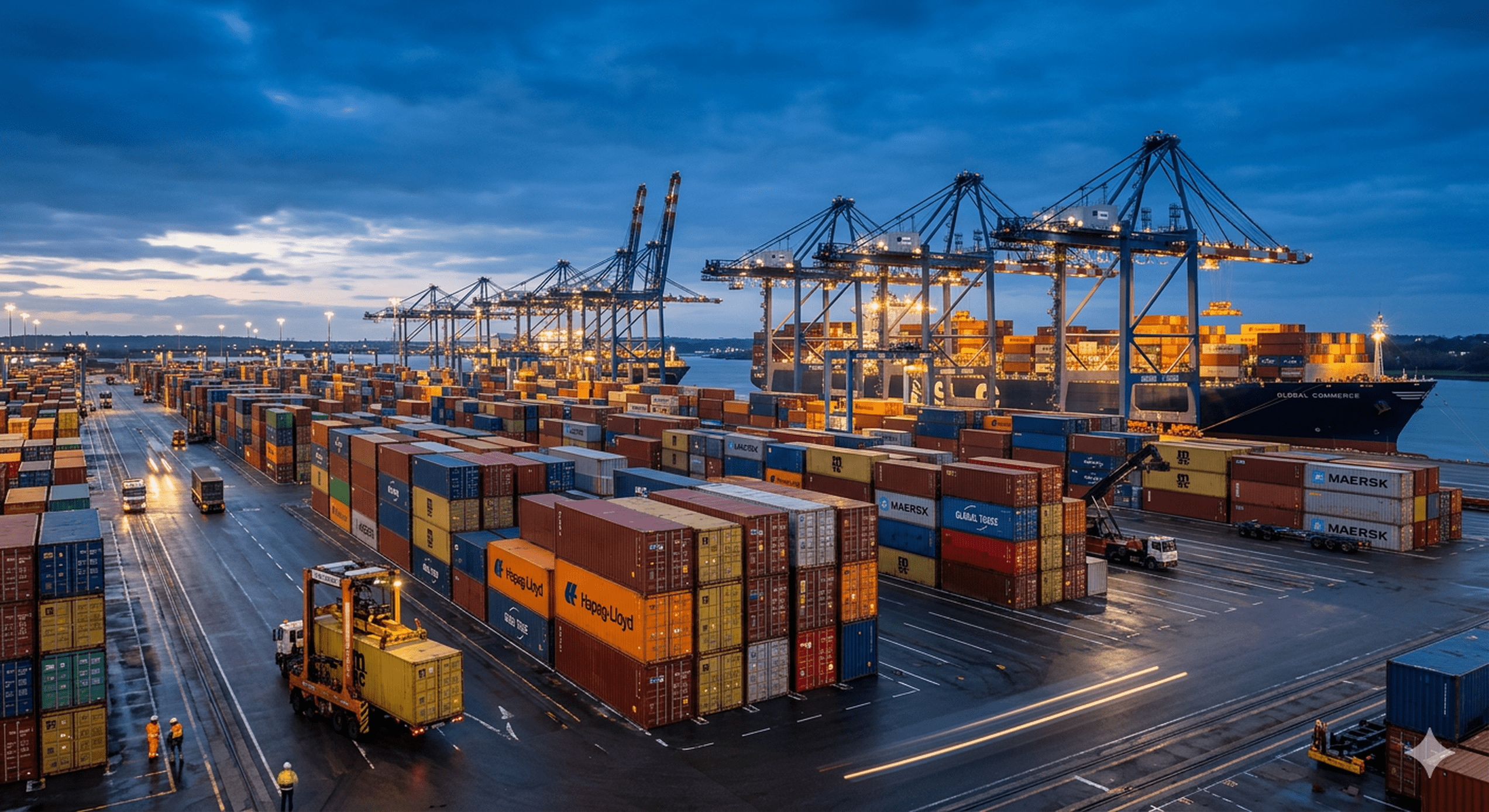
Australia’s fuel supply network relies on a complex system that includes refineries, import terminals, storage facilities, and transportation by tanker trucks. Fuel deliveries are scheduled based on typical consumption patterns at petrol stations.
When demand suddenly rises due to panic buying, stations can run out of fuel before the next delivery arrives. This creates the appearance of a major shortage even though additional fuel may already be on the way.
Energy analysts say the system is designed to function efficiently during normal demand levels. However, unexpected spikes in consumption can temporarily overwhelm local distribution points.
Once buying patterns return to normal, supply chains usually stabilize quickly and fuel becomes available again.
Measures Taken by Petrol Stations
Some petrol station operators have implemented temporary measures to manage the fuel shortage Australia situation. These measures include limiting the amount of petrol customers can purchase per visit.
Such limits help prevent individuals from buying excessive amounts of fuel and allow more drivers to access available supplies.
Station managers have also been coordinating closely with fuel distributors to schedule additional deliveries where possible.
These steps aim to reduce pressure on the supply chain and ensure that essential fuel needs are met.
Lessons From the Fuel Panic
The recent fuel shortage highlights the importance of responsible consumer behavior during times of uncertainty. Experts say that clear communication from authorities and reliable information sources can help prevent unnecessary panic.
When people rely on rumors or social media speculation, it can lead to sudden buying surges that disrupt supply chains.
Public awareness campaigns and timely updates from government agencies may help reduce panic buying in similar situations in the future.
Drivers are encouraged to stay informed through official news sources and avoid spreading unverified information about shortages.
Final Thoughts
The Australia petrol station fuel shortage caused by panic buying has created temporary disruptions for drivers across several regions. Although dozens of petrol stations ran out of fuel during the surge in demand, authorities emphasize that the national fuel supply remains stable.
As fuel deliveries continue and buying patterns return to normal, petrol stations are expected to restock and resume normal operations.
The situation serves as a reminder that calm and responsible purchasing habits play a critical role in maintaining stable access to essential resources like fuel.

 Business