🥗 Anti‑Inflammation Meals Surge in Popularity: What Americans Need to Know Now
Meta Description: Discover top anti inflammation meals Americans are turning to for better health, reduced chronic inflammation, and disease prevention — expert tips & recipes.
Introduction
Inflammation isn’t just a medical buzzword anymore — it’s a pressing health issue for millions of Americans. Chronic inflammation is linked to heart disease, diabetes, arthritis, and even cognitive decline. Experts now emphasize that your diet can either fuel inflammation or fight it. Anti‑inflammation meals are rapidly becoming a cornerstone of preventive health in the U.S., offering a practical way to reduce long-term health risks while boosting energy, immunity, and overall well-being. (health.clevelandclinic.org)
Key Highlights
- 🐟 Omega‑3 rich foods like salmon and sardines can lower inflammatory markers by up to 20% in clinical studies.
- 🍇 Berries & colorful produce provide antioxidants that help neutralize free radicals, protecting cells from inflammation.
- 🌿 Spices such as turmeric and ginger have natural anti-inflammatory compounds shown to reduce joint pain and stiffness.
- 🥑 Whole grains, legumes, nuts & seeds support gut health, which is closely linked to systemic inflammation.
- 🚫 Limiting sugar, fried foods, and processed meats is essential to avoid triggering inflammation pathways. (health.harvard.edu)
🍽️ What Are Anti‑Inflammation Meals?
Anti‑inflammation meals are not a single diet plan but a science-backed approach to eating. They focus on nutrient-dense foods that calm the body’s inflammatory processes. Unlike short-term anti-inflammatory supplements, these meals work over time to reduce chronic inflammation, improve cardiovascular health, and support brain function. (healthline.com)
This approach often overlaps with the Mediterranean diet or DASH diet, both associated with reduced inflammatory markers, improved cholesterol profiles, and better weight management. Americans adopting this diet have reported not only improved lab results but also enhanced energy levels and better mood. (health.clevelandclinic.org)
🔥 Top Anti‑Inflammatory Foods
- Fatty Fish: Salmon, mackerel, and sardines — rich in omega-3s which suppress inflammation.
- Fruits & Berries: Blueberries, strawberries, cherries, and oranges provide antioxidants.
- Leafy Greens & Vegetables: Spinach, kale, broccoli, and cruciferous veggies reduce inflammatory chemicals.
- Healthy Fats: Avocado, olive oil, walnuts, and seeds help regulate inflammatory responses.
- Herbs & Spices: Turmeric, cinnamon, and ginger contain curcumin and polyphenols, compounds that reduce inflammation.
- Whole Grains & Legumes: Quinoa, brown rice, lentils, and beans support gut microbiome health.
External Expert Source: Harvard Health emphasizes that combining these foods into daily meals can dramatically reduce chronic inflammation over time. (health.harvard.edu)
🚫 Foods to Avoid
The American diet often includes foods that increase inflammation:
- Sugary drinks and sodas
- Fried and ultra-processed foods
- White bread and refined carbs
- Red and processed meats
- Trans fats and artificial additives
Minimizing these can prevent spikes in C-reactive protein (CRP), an inflammatory marker linked to heart disease and diabetes. (healthline.com)
🍲 Sample Anti‑Inflammation Meal Ideas
🌞 Breakfast
- Berry Spinach Smoothie: Blueberries, kale, chia seeds, almond milk, and a scoop of plant protein.
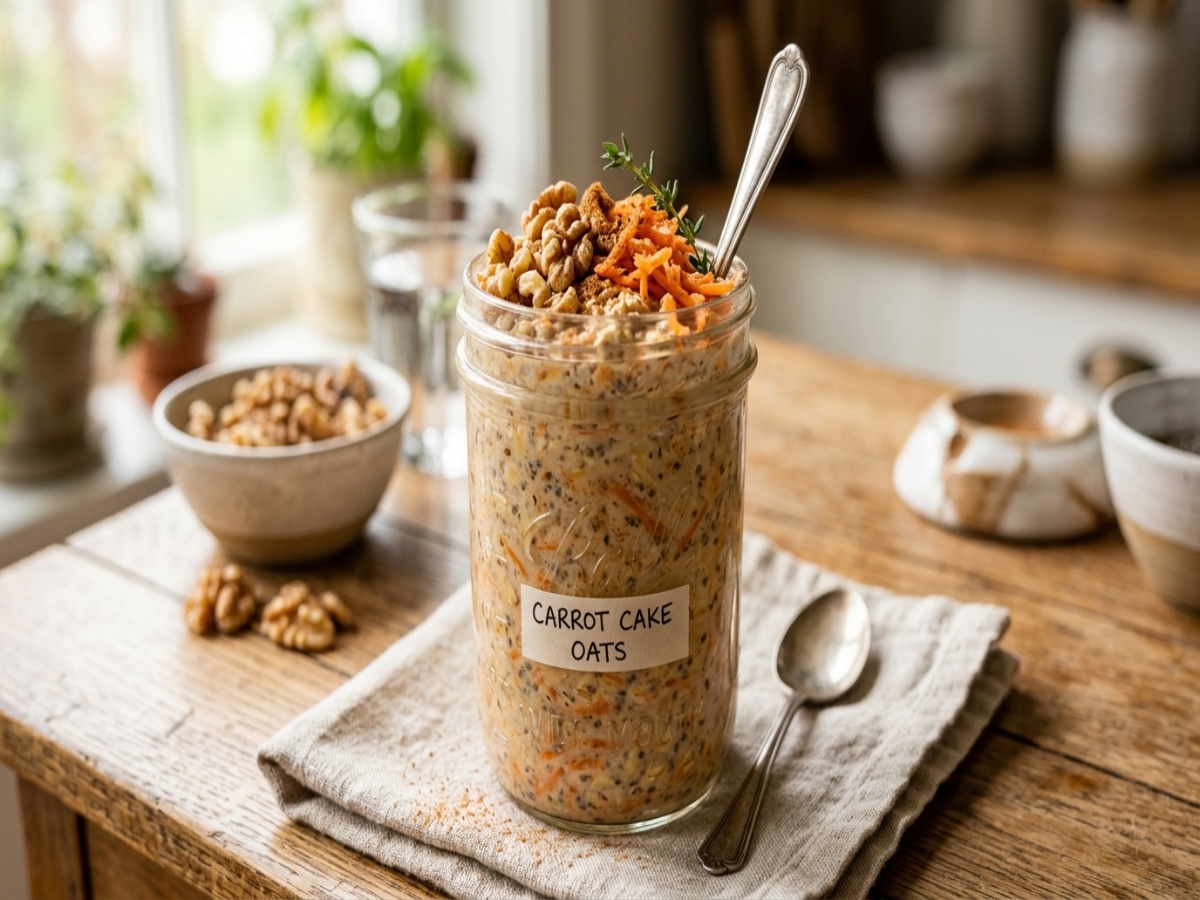
- Overnight Oats: Oats, sliced strawberries, flax seeds, cinnamon, and a drizzle of honey.
🥗 Lunch
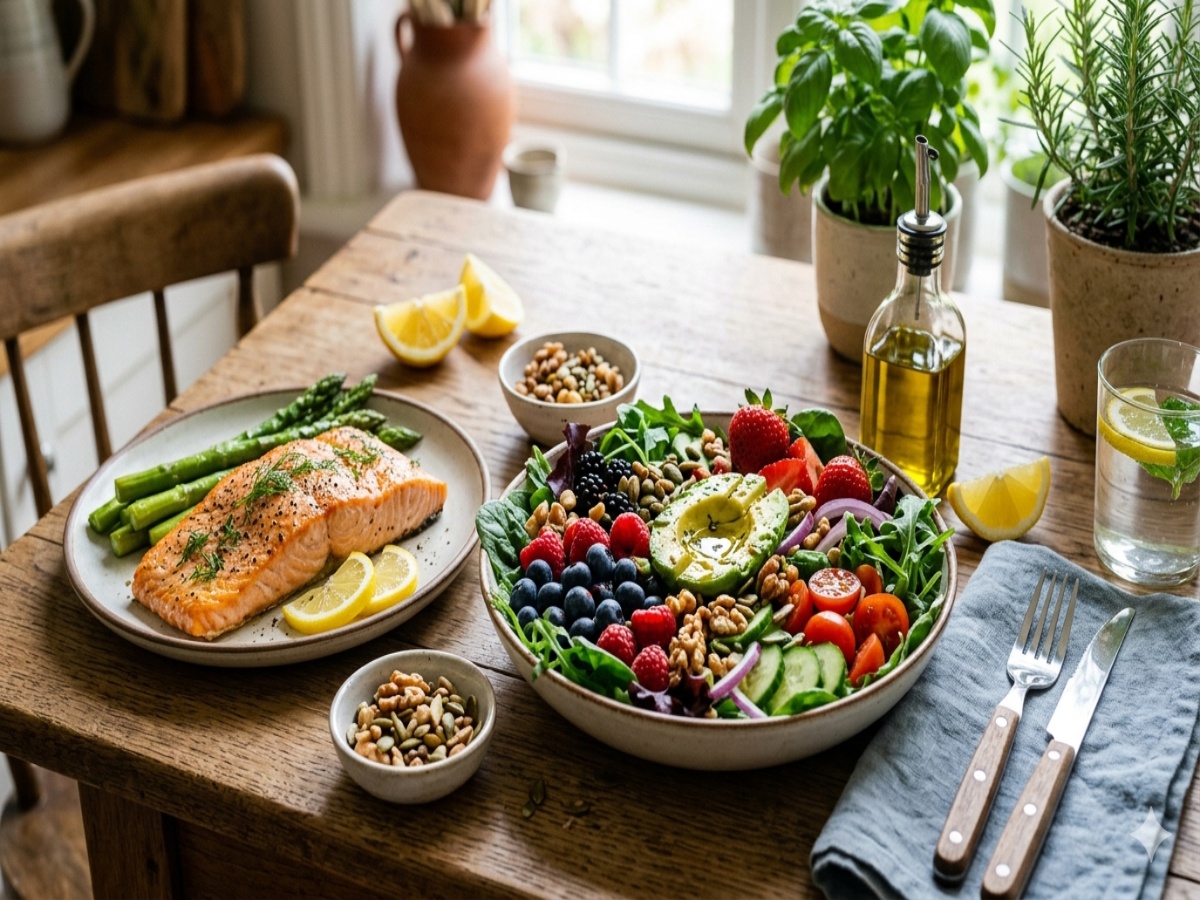
- Grilled Salmon Salad: Salmon fillet with mixed greens, cherry tomatoes, avocado, and olive oil dressing.
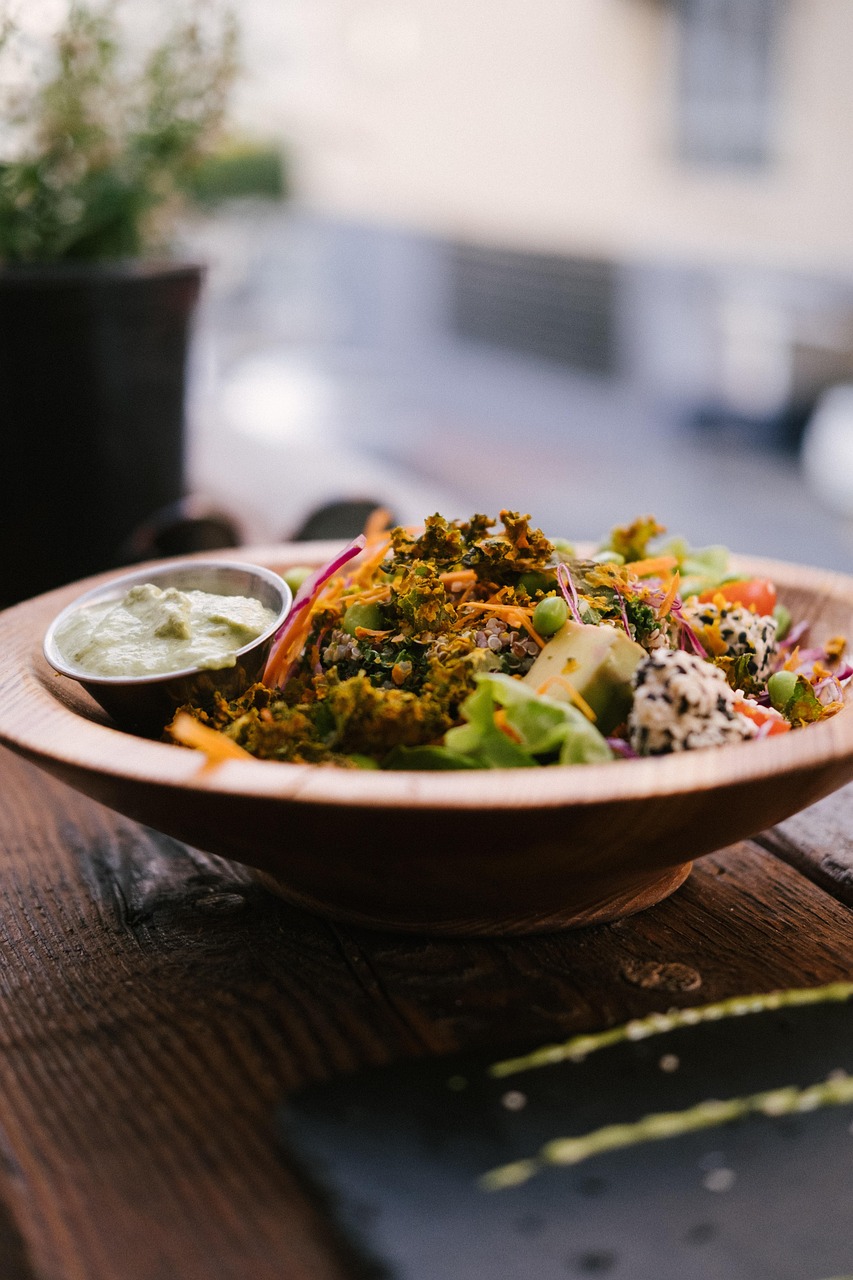
- Quinoa Veggie Bowl: Quinoa, roasted beets, kale, chickpeas, and pumpkin seeds.
🍛 Dinner
- Turmeric Chicken Curry: Chicken with turmeric, cauliflower, sweet potatoes, and leafy greens.
- Mediterranean Fish Plate: Baked mackerel with olive oil, herbs, roasted peppers, and zucchini.
🍵 Snacks & Sides
- Green tea with lemon (antioxidant-rich)
- Raw nuts and seeds trail mix (unsalted, no sugar)
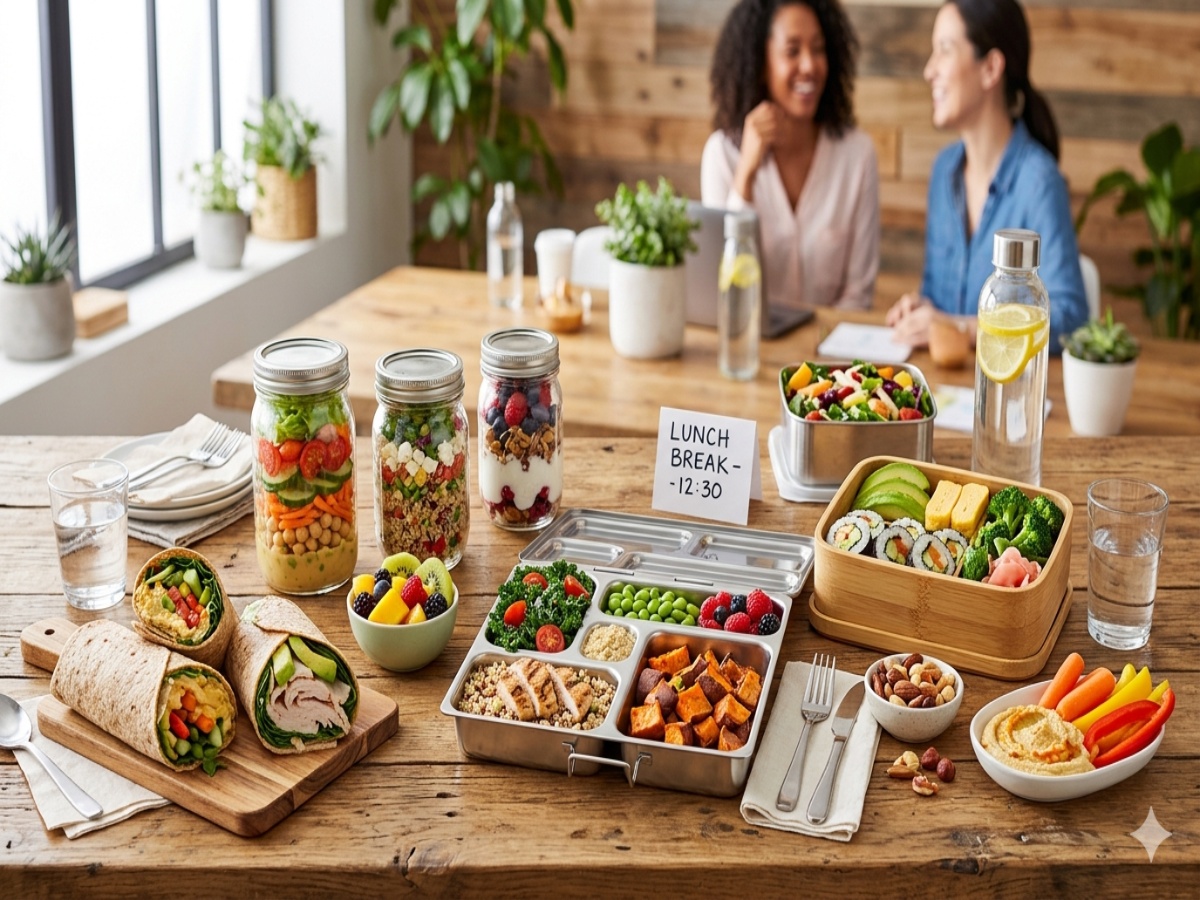
- Sliced bell peppers with hummus
Incorporating these meals regularly can reduce inflammation, improve digestion, and boost metabolic health. (healthline.com)
📉 Impact on Americans
Adopting anti-inflammatory meals can significantly affect public health in the U.S.:
- Reduced chronic disease risk: Heart disease, type 2 diabetes, and certain cancers.
- Enhanced joint and muscle health: Less stiffness and improved mobility for older adults.
- Improved metabolic outcomes: Stable blood sugar and better weight control.
- Potential cost savings: Less reliance on medications for inflammation-related conditions.
With more Americans seeking functional diets rather than fad diets, anti-inflammation meals provide tangible health benefits backed by science.
🧠 Expert Analysis: Why the Trend is Growing
Several factors are fueling the popularity of anti-inflammatory meals:
- Evidence-Based Nutrition: Clinical studies consistently show omega-3s, antioxidants, and polyphenols reduce inflammatory markers.
- Consumer Awareness: Americans are viewing food as medicine, focusing on prevention rather than treatment.
- Post-Pandemic Health Shift: Increased focus on immunity and chronic disease prevention has reshaped eating habits.
- Cultural Trends: Millennials and Gen Z are pushing demand for plant-forward, nutrient-dense, and anti-inflammatory meals.
Experts predict this trend will grow, with more restaurants and meal delivery services offering anti-inflammatory options tailored to American tastes.
📝 Conclusion
Anti-inflammation meals are not a temporary trend — they’re an evidence-backed strategy for reducing chronic inflammation, improving overall health, and supporting long-term well-being. By focusing on whole foods, healthy fats, and antioxidant-rich ingredients while minimizing processed foods and sugars, Americans can take control of their health one meal at a time.

 Health