Introduction
A major legal battle is unfolding over US tariff policy, as courts examine whether sweeping trade measures imposed during the Trump era—and expanded later—are legally justified. The case could reshape how the United States uses tariffs as an economic weapon, with direct consequences for businesses, global trade, and everyday American consumers.
At the center of the dispute is whether the executive branch overstepped its authority by imposing broad tariffs without clear congressional approval. As the case moves forward, economists warn that the outcome could ripple across the US economy.
Key Highlights
- US courts are reviewing the legality of broad tariff powers.
- Up to 86% of US executives now expect tariffs to remain long-term.
- Tariffs have contributed to higher import costs and inflation pressure.
- A ruling could limit presidential authority over trade policy.
- Markets are closely watching for economic and legal fallout.
Full Details
Legal Battle Intensifies Over Tariffs
The dispute is being reviewed by the United States Court of International Trade, where judges are examining whether existing laws allow such expansive tariff use.
Critics argue that the administration relied too heavily on emergency-style powers to justify tariffs across multiple sectors. Supporters, however, say these tools are necessary to respond quickly to global economic threats.
For a deeper breakdown, read:
Trump Tariffs Face Court Clash as US Economy Braces for Fallout
https://usablogtoday.com/blogs/trump-tariffs-face-court-clash-as-us-economy-braces-for-fallout
Supreme Court’s Role and Legal Uncertainty
The debate has been shaped by earlier decisions from the Supreme Court of the United States, which raised questions about the limits of presidential authority in trade matters.
While the court has not fully closed the door on tariff powers, its rulings suggest that broad economic actions may require clearer legal justification. This has created uncertainty for policymakers and businesses alike.
Reuters legal analysis on tariff authority:
https://www.reuters.com/legal/government/us-trade-court-weighs-legality-trump-10-global-tariff-2026-04-10/
Economic Fallout and Business Impact
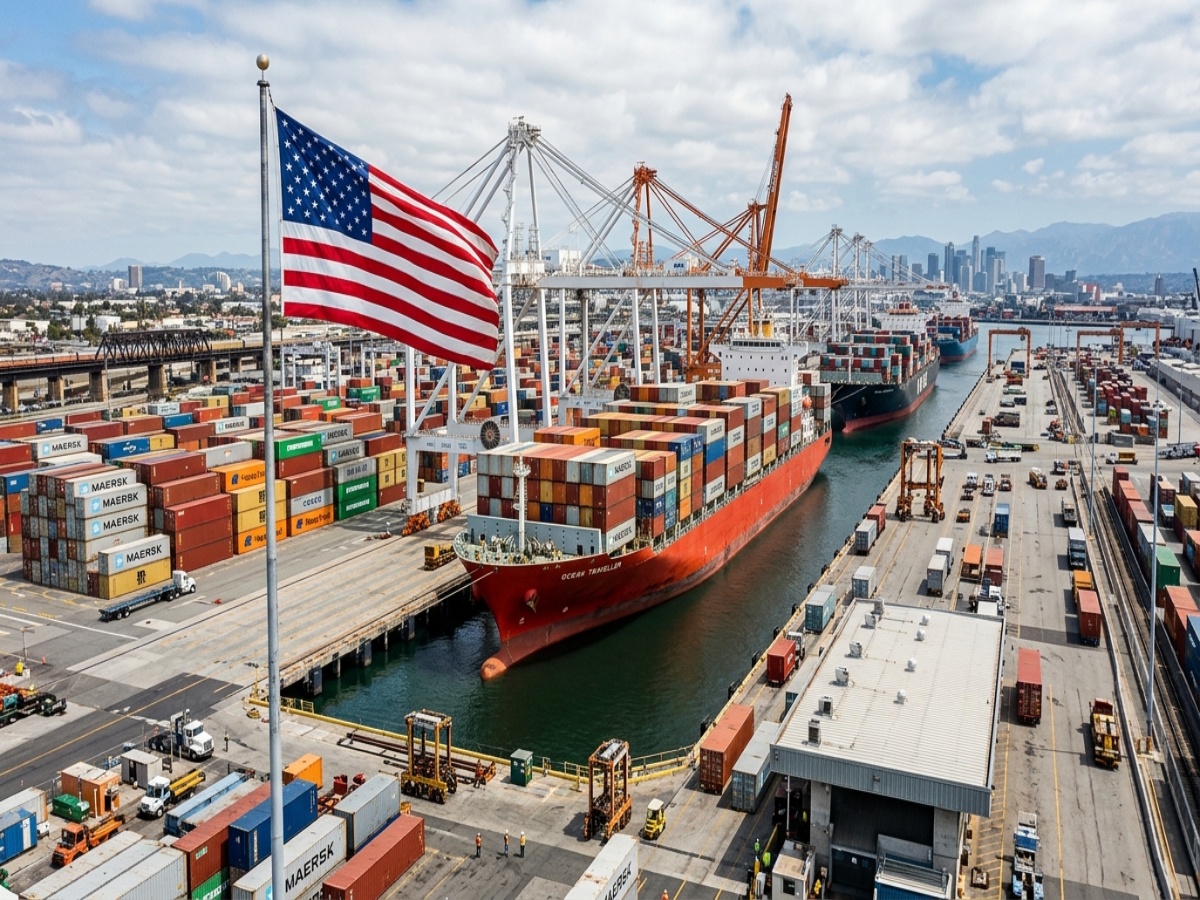
Tariffs have already reshaped the US economic landscape. Companies importing goods face higher costs, which are often passed on to consumers. This has contributed to persistent inflation in key sectors.
A recent survey highlighted that a majority of executives now treat tariffs as a permanent feature of US trade policy, signaling a long-term shift rather than a temporary measure.
Business Insider report on executive outlook:
https://www.businessinsider.com/most-executives-now-treat-tariffs-long-term-reality-pwc-survey-2026-4
Global Trade and Market Reactions
Global markets are reacting cautiously to the ongoing legal battle. Trade partners are watching closely, as changes in US tariff policy could affect international supply chains and pricing structures.
Investors are also factoring in potential volatility. A sudden policy shift—whether tightening or loosening tariffs—could trigger rapid movements in stocks, commodities, and currency markets.
What This Means for Americans
Higher Prices
Tariffs often lead to increased costs for imported goods, which can drive up prices for everyday items such as electronics, clothing, and household products.
Job Market Effects
While tariffs can protect certain domestic industries, they may also hurt sectors that rely on global supply chains, creating mixed effects on employment.
Economic Stability
Uncertainty around trade policy can slow business investment and economic growth, affecting everything from wages to consumer confidence.
Expert Analysis (Unique Insights)
This legal battle represents more than just a policy dispute—it’s a turning point in how the US approaches economic power. Over the past decade, tariffs have evolved from targeted trade tools into broad geopolitical instruments.
However, this shift carries risks. If courts limit executive authority, future administrations may lose the ability to act quickly in trade disputes. On the other hand, unchecked power could lead to overuse of tariffs, increasing costs for consumers and straining global relationships.
Another key factor is timing. With inflation still a concern and global supply chains recovering from past disruptions, any major change in tariff policy could amplify economic instability.
Perhaps most importantly, this case could set a precedent that defines US trade strategy for years to come—balancing national security concerns with economic efficiency.
Conclusion
The court clash over US tariffs is more than a legal issue—it’s a high-stakes battle that could reshape the nation’s economic future. From inflation and trade relationships to presidential power, the outcome will have lasting consequences.
As the case unfolds, businesses, policymakers, and consumers alike are bracing for potential changes that could redefine the global economic landscape.

 US
US