Introduction: A Conflict That Never Fully Sleeps
For decades, tensions between the United States and Iran have simmered just below boiling point—occasionally erupting into crises that ripple far beyond the Middle East. While headlines often focus on sudden escalations, the deeper story is one of strategic patience, mistrust, and calculated diplomacy.
This isn’t just another geopolitical rivalry. The trajectory of US–Iran tensions influences global oil prices, regional stability, nuclear security, and even the cost of living for ordinary people thousands of miles away. Understanding what’s really happening—and why it matters—requires going beyond surface-level coverage. For a detailed analysis of US–Iran tensions, insights from the Council on Foreign Relations provide deeper context.
The Roots of US–Iran Tensions
A Relationship Defined by Distrust
Modern US–Iran tensions began with the 1979 Iranian Revolution, when Iran shifted from a US-backed monarchy to an Islamic republic. The subsequent hostage crisis at the US embassy in Tehran permanently altered relations, embedding deep mistrust.
Since then, three core issues have defined the conflict:
- Ideological differences: Iran’s anti-Western political stance vs US global leadership
- Regional competition: Influence battles across Iraq, Syria, Lebanon, and Yemen
- Nuclear ambitions: The most sensitive and high-stakes issue
Why History Still Matters
This isn’t a dispute that resets with time. Every diplomatic move is shaped by decades of grievances, making compromise politically risky for leaders on both sides.
The Nuclear Deal: Diplomacy at Its Peak—and Its Collapse
The Promise of the 2015 Agreement
The Joint Comprehensive Plan of Action (JCPOA) in 2015 marked a rare diplomatic breakthrough. Iran agreed to limit its nuclear activities in exchange for sanctions relief.
For a short period:
- Tensions eased
- Iran’s economy showed signs of recovery
- Global markets stabilized
The Turning Point
In 2018, the United States withdrew from the agreement and reinstated sanctions. Iran gradually resumed nuclear activities, and trust collapsed.
Why It Still Matters
The JCPOA remains the foundation for any future agreement. However, rebuilding trust after its breakdown has proven far more difficult than negotiating the original deal. Ongoing expert policy analysis on Iran from the Brookings Institution highlights just how complex future negotiations could be.
Current Flashpoints: Where Tensions Are Highest
1. Nuclear Escalation Risks
Iran has advanced its nuclear capabilities significantly, reducing the time needed to potentially develop a weapon. Even without confirmation of weaponization, the uncertainty alone creates global concern.
2. Proxy Conflicts Across the Middle East
Rather than direct confrontation, both countries operate through regional allies:
- Iran supports groups like Hezbollah and various militias
- The US backs Israel and Gulf allies
This indirect conflict increases instability while avoiding full-scale war. These patterns are part of broader trends in latest global geopolitical tensions explained
3. Maritime Tensions in the Persian Gulf
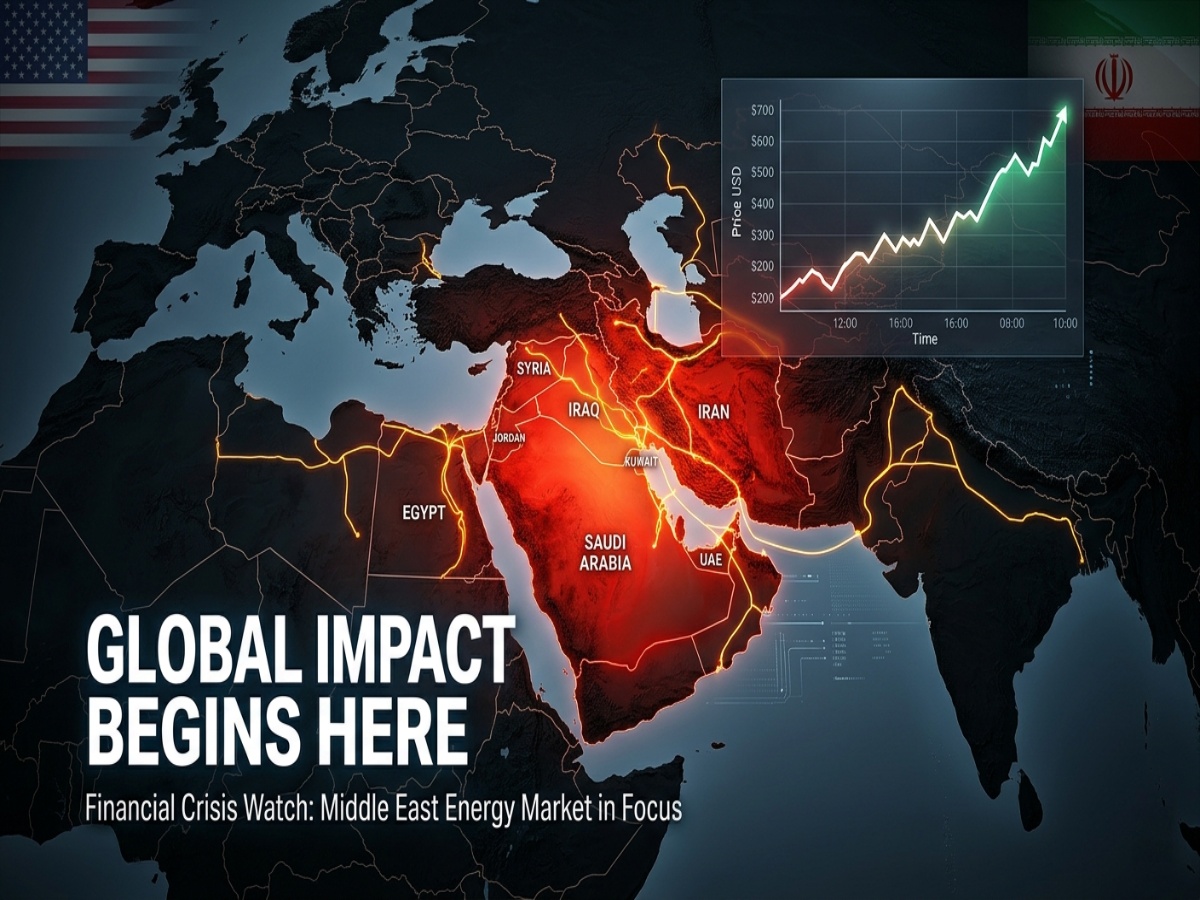
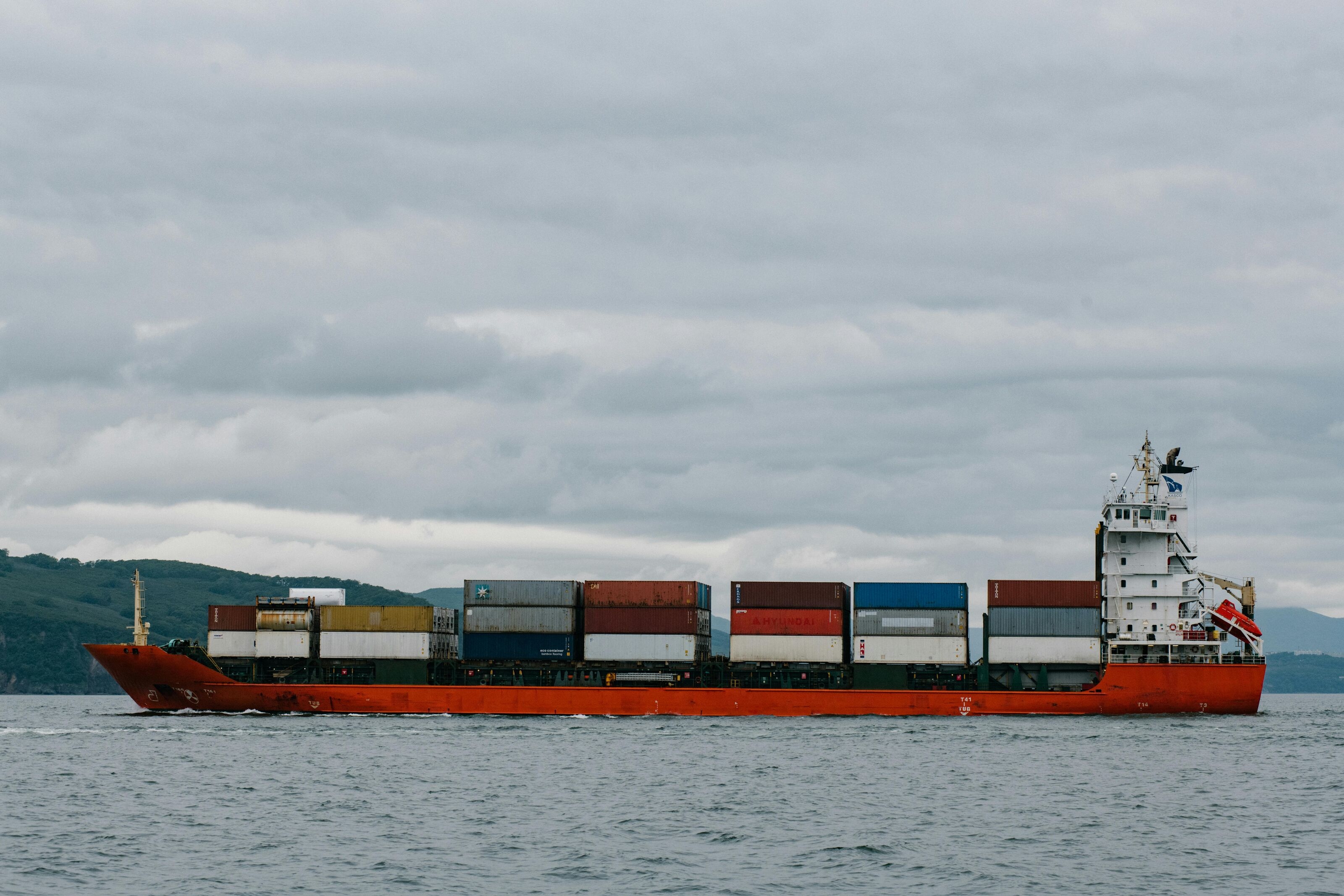
The Persian Gulf is a critical route for global oil supply. Any disruption—such as tanker seizures or naval incidents—can quickly impact global markets. These disruptions directly influence global oil market trends, as monitored by the International Energy Agency.
4. Cyber and Covert Operations
Both sides increasingly rely on cyberattacks and covert operations. These tactics allow pressure without open warfare, but they also increase unpredictability.
Why US–Iran Tensions Matter to You
Global Economic Impact
Even if you’re far from the region, the effects are direct:
- Fuel prices rise when tensions increase
- Inflation grows due to higher energy costs
- Markets become volatile as investors react to risk
Rising fuel costs often contribute to rising inflation in the US economy, making global tensions more visible in everyday expenses.
This is why understanding how oil prices impact global markets is critical during periods of geopolitical instability.
These developments are also closely tied to the latest Middle East developments, frequently covered by Reuters.
Security and Stability
An escalation could pull multiple countries into conflict, disrupting global trade and increasing geopolitical instability.
Technology and Cybersecurity
State-linked cyber activities tied to geopolitical tensions can affect businesses, infrastructure, and digital security worldwide.
Diplomacy vs Confrontation: The Strategic Balance
Why Diplomacy Keeps Returning
Despite hostility, both nations repeatedly return to negotiations:
- War would be extremely costly
- Sanctions alone haven’t achieved long-term goals
- Global allies prefer stability
The Limits of Negotiation
Diplomacy faces structural challenges:
- Domestic political pressure in both countries
- Influence from regional allies
- Deep trust deficit
What This Means
US–Iran tensions are not a temporary crisis—they are a long-term geopolitical reality.
For readers, this means:
- Expect periodic spikes in tension, not permanent resolution
- Energy markets will remain sensitive to developments
- Diplomatic progress will be slow and fragile
These pressures also influence the US economic outlook and job market trends, especially during uncertain global conditions.
In everyday terms, global uncertainty tied to this conflict will continue influencing prices, markets, and international stability.
Future Outlook: What Comes Next?
Scenario 1: Controlled Tension (Most Likely)
Both sides avoid direct war while maintaining pressure through sanctions, proxies, and limited diplomacy.
Scenario 2: Diplomatic Breakthrough
A revised nuclear agreement could emerge, but it would likely be narrower and more conditional than the original deal.
Scenario 3: Sudden Escalation
A military miscalculation could trigger rapid escalation. While not the most likely scenario, the consequences would be severe.
Scenario 4: Long-Term Strategic Shift
Changes in leadership or global alliances could reshape the relationship—but this would take years, not months.
Expert Insight: The Real Power Game
At its core, this conflict is about influence:
- Iran seeks regional dominance and protection from external threats
- The US aims to maintain global leadership and safeguard allies
This makes compromise difficult, as both sides view concessions as strategic risks rather than mutual gains.
Practical Takeaways
- Watch oil prices—they often reflect rising tensions first
- Follow diplomatic developments, not just military headlines
- Understand that calm periods do not mean the conflict is resolved
FAQs
1. Why are the US and Iran rivals?
The rivalry stems from the 1979 Iranian Revolution, ideological differences, and ongoing disputes over regional influence and nuclear development.
2. Is war between the US and Iran likely?
A full-scale war is unlikely due to high costs, but limited conflicts and proxy clashes remain possible.
3. What is the nuclear deal (JCPOA)?
It was a 2015 agreement to limit Iran’s nuclear program in exchange for sanctions relief, now largely inactive.
4. How do tensions affect global oil prices?
Instability in the Persian Gulf can disrupt supply, leading to global price increases.
5. Can diplomacy still succeed?
Yes, but progress is slow due to deep mistrust and political constraints on both sides.
US–Iran tensions are less a single crisis and more an ongoing strategic contest—one that continues to shape global economics, security, and diplomacy in ways that directly affect everyday life.

 US
US