Why This Isn’t Just Another Inflation Headline
Inflation headlines have become common, but the current surge carries a different kind of risk. This time, the driver is energy—specifically oil prices approaching $100 per barrel. That detail matters because energy-driven inflation spreads faster and lasts longer than most other types.
When inflation is caused by supply chain disruptions or temporary demand spikes, it often stabilizes over time. But when oil prices rise, the effects move quickly through the economy. Within days, fuel prices increase. Within weeks, transportation and food costs climb. Within months, housing and services become more expensive.
This is not just a statistical change. It directly affects how much people spend on everyday life and how difficult it becomes to maintain financial stability.
The Oil–Inflation Connection Explained
Oil plays a central role in the global economy. It fuels transportation, powers industries, and supports supply chains. Because of this, even a moderate increase in oil prices can trigger widespread cost increases.
The process works through a chain reaction:
- Higher oil prices increase fuel costs
- Higher fuel costs raise transportation expenses
- Businesses face increased operating costs
- Companies pass those costs to consumers
This is known as cost-push inflation. Unlike demand-driven inflation, which comes from strong consumer spending, cost-push inflation originates from rising production costs. It is harder to control because it affects supply rather than demand.
For example, when diesel prices rise, trucking companies charge more to move goods across the country. Retailers then adjust prices to maintain profit margins. As a result, consumers end up paying more for groceries, electronics, and everyday essentials.
If you want to understand the basic background of inflation first, you can read:
https://usablogtoday.com/blogs/us-recession-risk-rises-inflation-jobs-and-oil-pressure-2026
How Rising Oil Prices Affect Your Daily Expenses
Gas Prices
Fuel prices are the most immediate impact. Oil nearing $100 per barrel typically leads to higher gasoline prices across the country. Even small increases per gallon can significantly affect monthly budgets, especially for commuters and families with multiple vehicles.
Food and Groceries
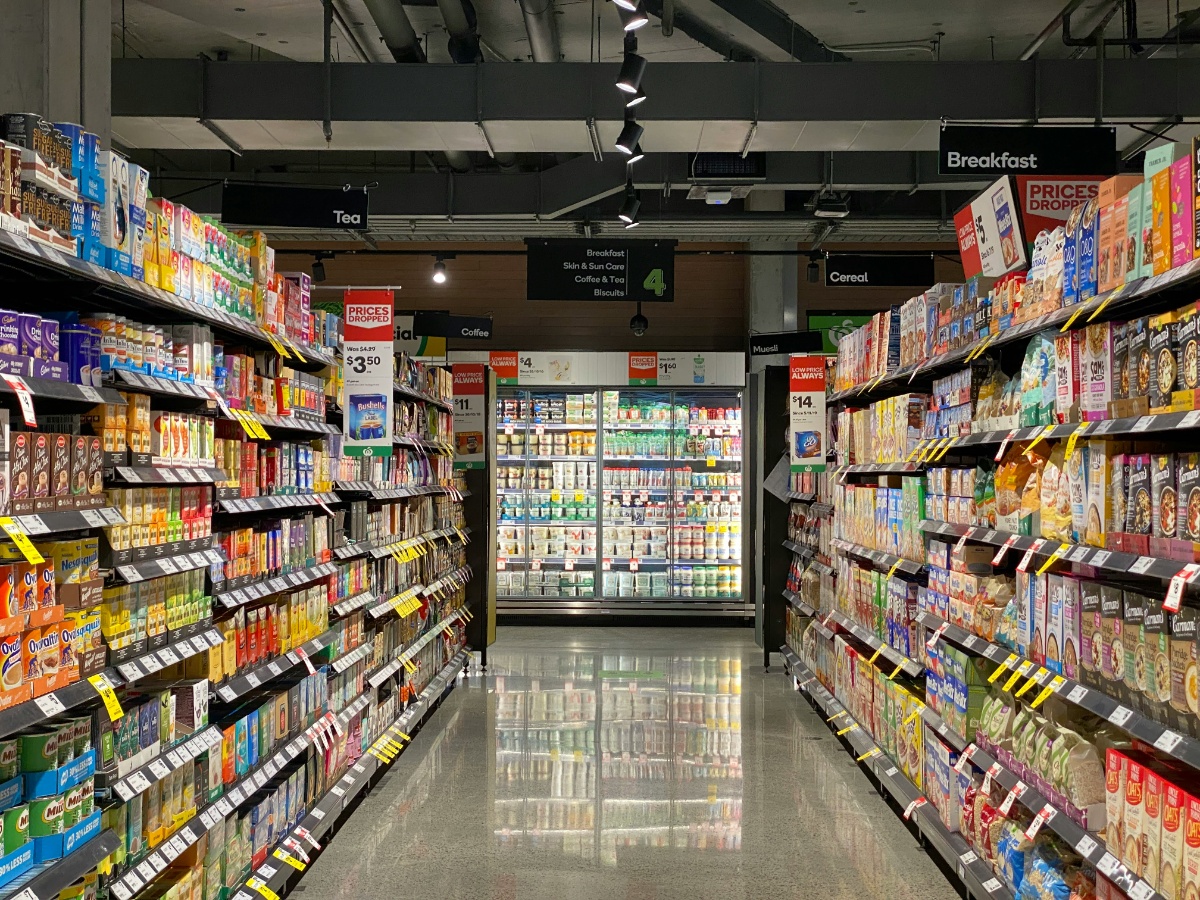
Food prices are closely tied to energy costs. Agriculture relies on fuel for machinery, irrigation, and transportation. In addition, packaging and refrigeration require energy.
As a result, rising oil prices lead to higher grocery bills. Consumers may also notice smaller product sizes or fewer discounts as companies try to manage costs.
Housing and Rent
Housing costs respond more slowly but tend to remain elevated once they rise. Increased energy costs affect construction, maintenance, and property management.
Higher mortgage rates can also keep homeownership expensive, pushing more people into rental markets. This increases demand for rentals, which can drive rent prices higher over time.
If you want to understand the basic background of oil us economy first, you can read:
https://usablogtoday.com/blogs/rising-usiran-tensions-could-impact-oil-us-economy
Travel and Services
Airlines, logistics companies, and service providers all depend on fuel. As costs rise, businesses adjust pricing structures.
This often results in higher airfare, increased delivery fees, and fewer promotional offers. Services that were once affordable may gradually become more expensive.
Why the Federal Reserve Faces a Difficult Challenge
The Federal Reserve typically controls inflation by adjusting interest rates. When inflation rises, it increases rates to reduce borrowing and spending. This helps cool demand and stabilize prices.
However, this strategy is less effective when inflation is driven by oil prices. Interest rate hikes do not increase oil supply or reduce global energy disruptions. They mainly slow economic activity.
This creates a policy dilemma. If the Federal Reserve raises rates aggressively, it may slow the economy too much. If it holds back, inflation may remain elevated.
This situation raises concerns about stagflation, a condition where inflation remains high while economic growth slows. It is one of the most difficult economic environments to manage.
Official policy updates and economic data can be reviewed here:
External source: https://www.federalreserve.gov/monetarypolicy.htm
The Global Dimension of Oil Prices
Oil prices are determined in a global market. Even though the United States produces a significant amount of energy, it is still influenced by international supply and demand.
Key global factors include:
- Geopolitical tensions in oil-producing regions
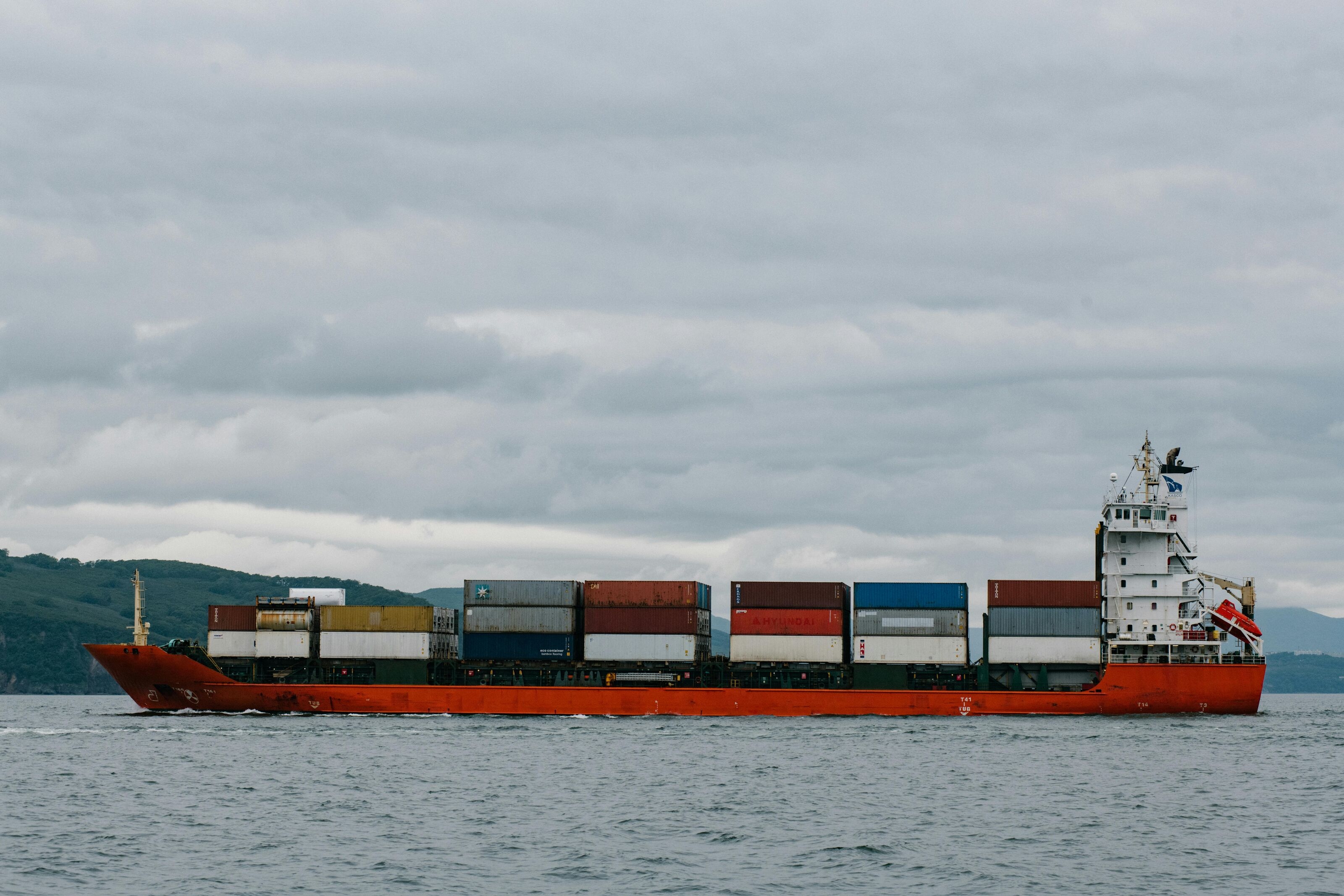
- Disruptions in shipping routes and supply chains
- Production decisions by major exporting countries
Because of this, domestic policies alone cannot fully control energy-driven inflation. Events outside the United States can quickly impact prices at home.
For global economic context and oil market updates:
External source: https://www.eia.gov/outlooks/steo/
What to Expect in the Coming Months
Short-Term Outlook
In the near term, consumers can expect continued volatility in fuel prices. Grocery costs are likely to rise gradually, and businesses may begin adjusting pricing strategies.
Medium-Term Outlook
Over the next several months, higher costs may become more permanent. Housing and service-related expenses are likely to remain elevated. Wage growth may not keep pace with inflation, reducing overall purchasing power.
Long-Term Risks
If oil prices remain high, inflation could become persistent. This would likely lead to prolonged higher interest rates and slower economic growth.
Such conditions can reshape consumer behavior, forcing households to prioritize essential spending and reduce discretionary purchases.
Practical Steps to Protect Your Finances
While individuals cannot control inflation, they can take steps to reduce its impact.
- Reduce fuel usage by planning trips efficiently or using alternative transportation
- Monitor grocery spending and consider cost-effective alternatives
- Limit exposure to variable-rate debt
- Build a financial buffer to manage rising expenses
These strategies can help households adapt to changing economic conditions and maintain financial stability.
Why This Moment Matters
Energy-driven inflation represents a structural challenge rather than a temporary fluctuation. It affects multiple sectors simultaneously and tends to persist longer than other forms of inflation.
For consumers, this means higher baseline costs and reduced flexibility in spending. Understanding the underlying causes allows individuals to make informed financial decisions rather than reacting to price increases after they occur.
Final Takeaway
As oil prices approach $100 per barrel, inflation becomes more than an economic indicator. It becomes a direct influence on daily life, affecting transportation, food, housing, and services.
Because this type of inflation is tied to global energy markets, it cannot be resolved quickly. The most effective response is awareness and preparation.
By understanding how rising oil prices drive inflation and adjusting financial habits accordingly, individuals can better manage the challenges ahead.

 US
US