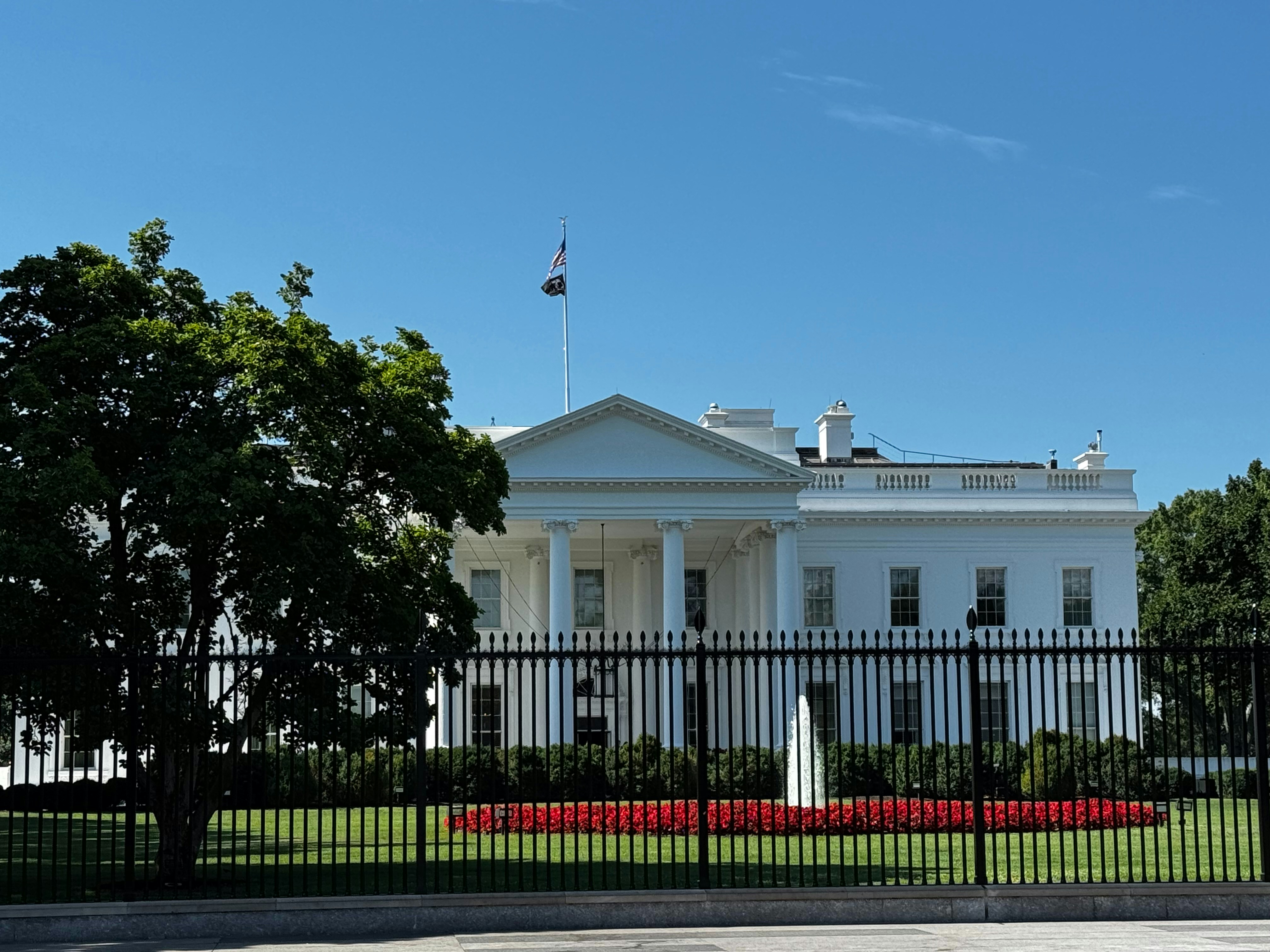
As Washington edges closer to another high-stakes election cycle, a quieter—but far more consequential—effort is unfolding behind closed doors. The White House counsel midterms preparation strategy is not about campaign rallies or polling swings. It’s about legal survival, institutional power, and preparing for a scenario that could fundamentally reshape how the presidency operates.
Recent reporting has revealed that legal teams within the executive branch are actively training political appointees on how to respond to congressional investigations. That may sound procedural. It’s not. It signals that the White House is preparing for a possible shift in power—and the legal storm that often follows.
This isn’t just insider politics. It has real implications for governance, policy decisions, and even economic stability.
Why White House Counsel Midterms Preparation Matters Now
Midterm elections in the United States often serve as a referendum on the sitting president. Historically, the party in power tends to lose seats. But what makes this moment different is the level of legal preparation happening before voters even cast ballots.
At the center of this effort is the White House Office of Legal Counsel, a key legal body responsible for advising the president and executive agencies on constitutional and statutory matters.
The focus? Preparing officials for aggressive congressional oversight—particularly if opposition lawmakers gain control of one or both chambers of Congress.
A Lesson Learned From 2018
To understand today’s strategy, you have to look back at the 2018 United States midterm elections.
When Democrats regained control of the House of Representatives, the administration faced:
- A surge in subpoenas
- High-profile public hearings
- Continuous document requests
- Multiple investigations across agencies
The result was more than political pressure—it slowed decision-making, diverted resources, and in some cases, stalled policy implementation.
That experience is shaping current preparations in a very direct way.
What’s Happening Behind Closed Doors
The White House counsel midterms preparation effort reportedly includes structured legal briefings for political appointees. These sessions are not theoretical—they are tactical.
Key Areas of Focus
1. Managing Congressional Investigations
Officials are being trained on how congressional inquiries typically unfold. This includes:
- Understanding subpoena authority
- Navigating document production timelines
- Responding to oversight committees
The goal is not just compliance—but controlled, strategic compliance.
2. Documentation Discipline
One of the most striking elements is the emphasis on written records.
Why? Because emails, memos, and internal notes often become evidence in investigations.
Officials are reportedly being advised to:
- Be precise and cautious in written communication
- Avoid unnecessary commentary in official records
- Maintain clear legal justifications for decisions
This reflects a deeper awareness that every document could eventually be scrutinized.
3. Rapid Response Systems
Speed matters in Washington oversight battles. Delays can trigger legal escalation or political fallout.
The preparation includes:
- Streamlining internal coordination
- Pre-planning document retrieval systems
- Establishing legal review pipelines
In simple terms, the White House is trying to avoid being caught off guard.
The Political Context Driving This Strategy
Legal preparation doesn’t happen in a vacuum. It’s tied directly to political risk.
At the center of this dynamic is Donald Trump, whose presidency has been marked by intense political polarization and repeated legal confrontations.
A Climate of Uncertainty
Several factors are contributing to a sense of urgency:
- Volatile approval ratings
- Economic pressures linked to geopolitical tensions
- Growing speculation about electoral outcomes
In Washington, attention is increasingly shifting toward the possibility that opposition lawmakers could gain stronger control than previously expected.
That shift would immediately change the balance of power.
Oversight vs. Governance: A Structural Tension
One of the most important—and often misunderstood—aspects of White House counsel midterms preparation is the tension between oversight and governance.
Oversight Is a Constitutional Tool
Congress has the authority to investigate the executive branch. This is not optional—it’s part of the checks and balances system.
But in practice, oversight can become:
- Politically motivated
- Resource-intensive
- Time-consuming for agencies
When Oversight Expands
If a new congressional majority decides to aggressively investigate:
- Senior officials may spend hours preparing testimony
- Legal teams may prioritize compliance over policy work
- Decision-making timelines may slow dramatically
This doesn’t just affect Washington—it can delay policies that impact businesses, markets, and everyday life.
The Shadow of Impeachment
No discussion of this topic is complete without addressing impeachment risk.
During his first term, Donald Trump was impeached twice. That history shapes current expectations.
Why Impeachment Is Back in the Conversation
If political control shifts:
- Congressional committees gain investigative authority
- New findings can trigger legal and political escalation
- Impeachment discussions can move quickly
Even the possibility of impeachment changes behavior inside the executive branch. It increases legal caution and affects decision-making at the highest levels.
Real-World Impact: Why This Isn’t Just Politics
It’s easy to view this as inside-the-Beltway maneuvering. But the White House counsel midterms preparation strategy has ripple effects far beyond Washington.
1. Policy Delays
When officials are tied up in legal defense:
- Regulatory decisions slow down
- New initiatives take longer to launch
- Agencies become more risk-averse
2. Market Uncertainty
Investors pay attention to political stability. Increased investigations can lead to:
- Policy unpredictability
- Delayed economic measures
- Volatility in key sectors
3. Government Efficiency
A government under investigation often becomes less efficient. Resources shift from execution to defense.
For citizens, that can mean slower responses on issues like infrastructure, healthcare, or economic policy.
What This Means
The White House counsel midterms preparation effort is not just about legal readiness—it’s about preserving governing capacity under pressure.
For readers, here’s the practical takeaway:
- Elections don’t just change policies—they change how government functions.
- Legal battles can shape timelines for decisions that affect everyday life.
- Prepared administrations are more likely to maintain stability during political shifts.
In short, this preparation is about control in uncertain conditions.
Future Outlook: What Happens Next
Looking ahead, several scenarios could unfold depending on election outcomes.
Scenario 1: Status Quo Holds
If the current power balance remains:
- Oversight continues at a manageable level
- Legal preparation may remain largely precautionary
Scenario 2: Divided Government Intensifies
If opposition gains control of one chamber:
- Investigations increase
- Legal conflicts become more frequent
- Policy progress slows
Scenario 3: Full Shift in Power
If both chambers change hands:
- Oversight expands significantly
- Impeachment discussions could re-emerge
- Executive-legislative conflict becomes central to governance
The Bigger Picture
Regardless of the outcome, one trend is clear: legal strategy is now a core part of political strategy.
Future administrations—regardless of party—are likely to adopt similar preparation models.
FAQs
1. What is White House counsel midterms preparation?
It refers to legal and strategic planning by the executive branch to prepare for potential congressional investigations after midterm elections, especially if political control shifts.
2. Why is this preparation happening now?
Because midterm elections often change the balance of power, increasing the likelihood of oversight, subpoenas, and investigations.
3. Does this mean investigations are guaranteed?
No. But it significantly increases the likelihood, particularly if opposition lawmakers gain control of Congress.
4. How does this affect ordinary people?
Indirectly, it can slow policy decisions, affect economic stability, and delay government action on key issues.
5. Is this unusual?
Not entirely—but the level of structured, proactive legal preparation reflects lessons learned from recent political history and signals heightened expectations of conflict.
The White House counsel midterms preparation strategy reveals something deeper about modern governance: elections are no longer just about winning power—they’re about defending it, legally and institutionally, long after the votes are counted.