Introduction
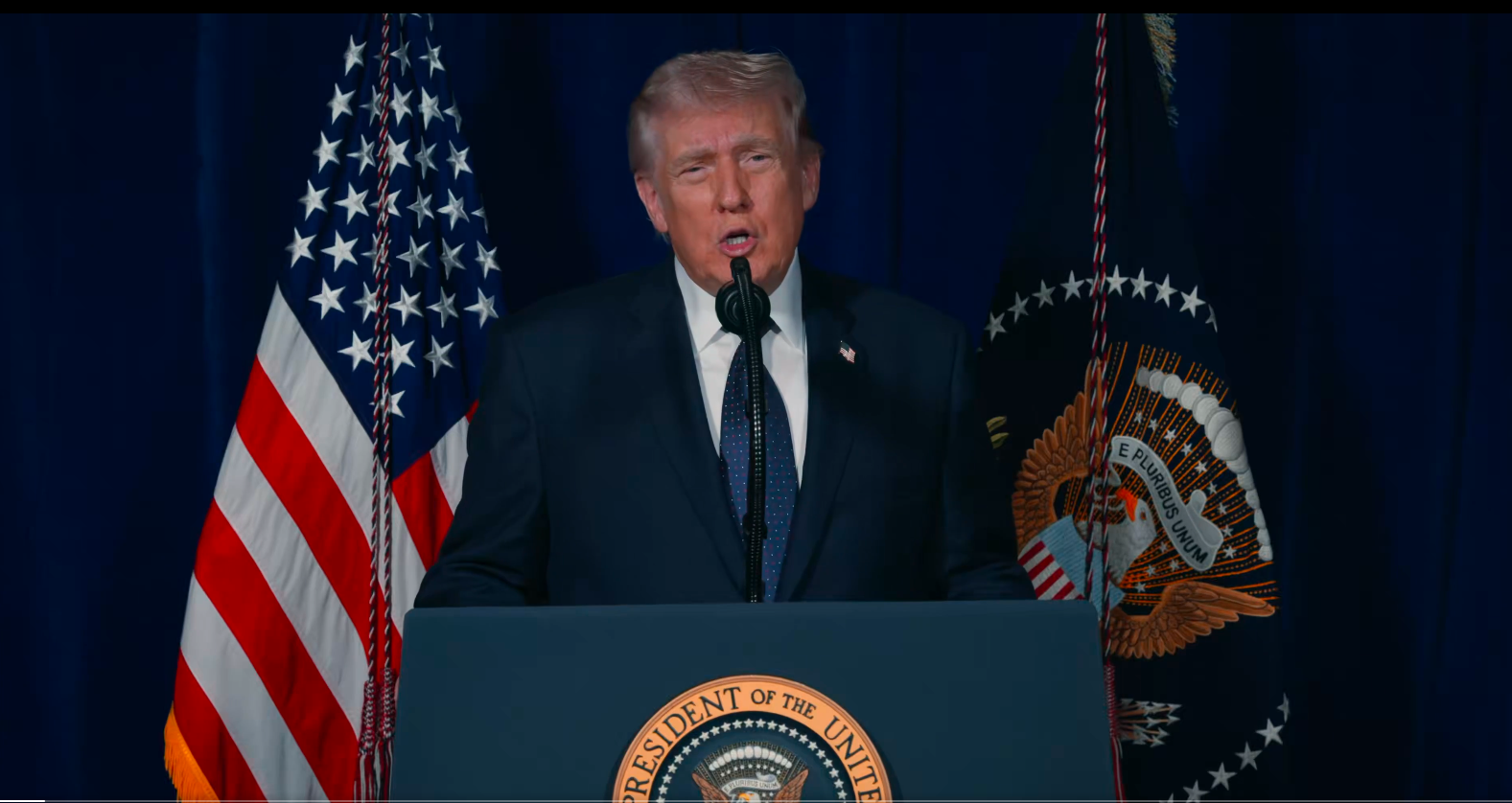
In a significant escalation of geopolitical tensions, Donald Trump has warned that the United States could move to blockade the Strait of Hormuz after diplomatic talks with Iran collapsed. The statement has triggered immediate concern across global markets, with analysts warning of oil price spikes, supply disruptions, and potential economic fallout for the United States.
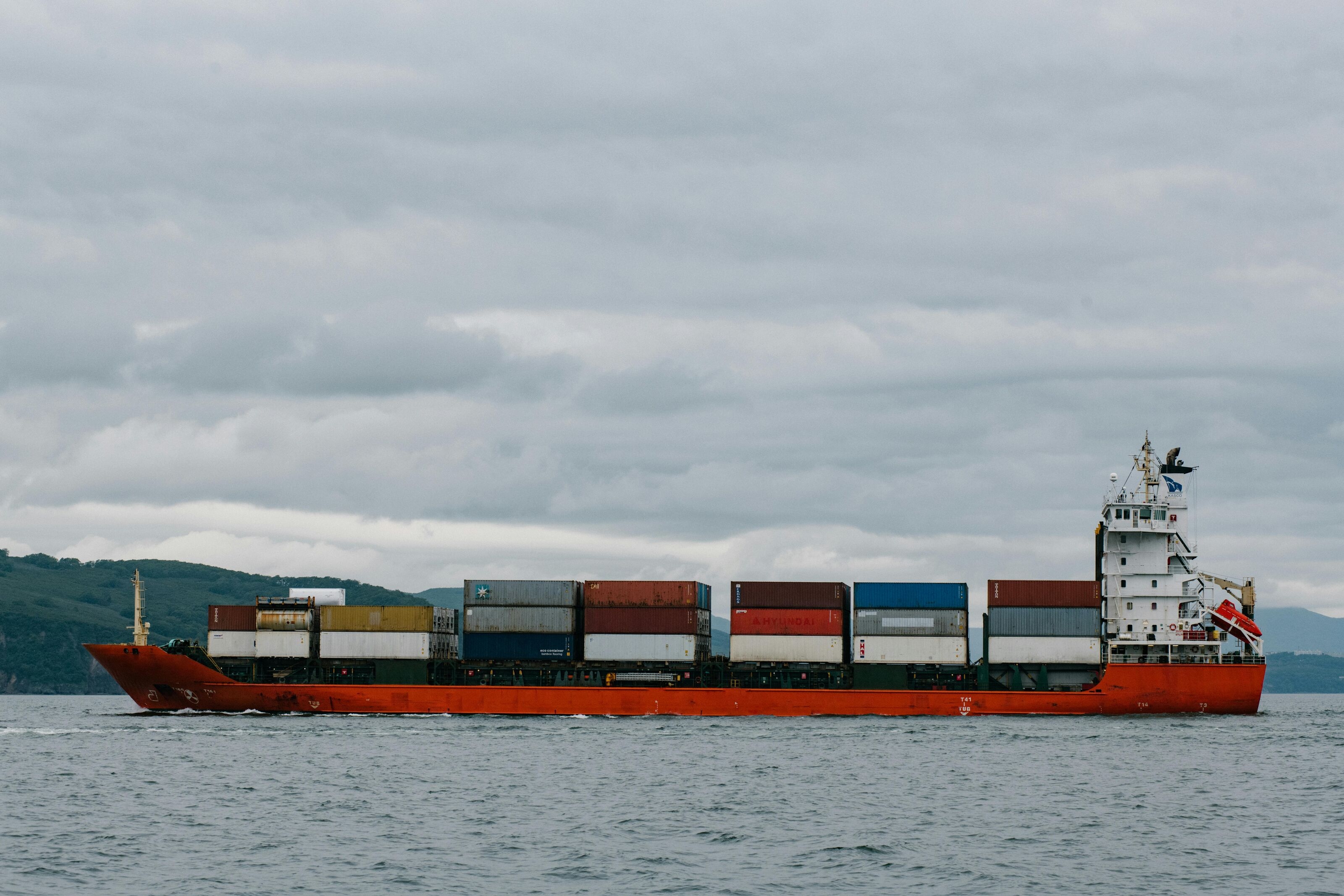
The Strait of Hormuz is one of the most critical shipping routes in the world, carrying nearly 20% of global oil supply. Any disruption in this narrow waterway could send shockwaves through energy markets and directly impact American consumers.
For global context on the strategic importance of this waterway, see analysis from the International Energy Agency:
https://www.iea.org/topics/oil-market-security
Key Highlights
- Trump signals possible US blockade of the Strait of Hormuz
- Around 20% of global oil supply passes through the route
- Oil prices could rise by 10% to 25% if tensions escalate
- US gas prices may increase within weeks
- Global markets show early signs of volatility
Full Details: Diplomatic Breakdown and Rising Risks
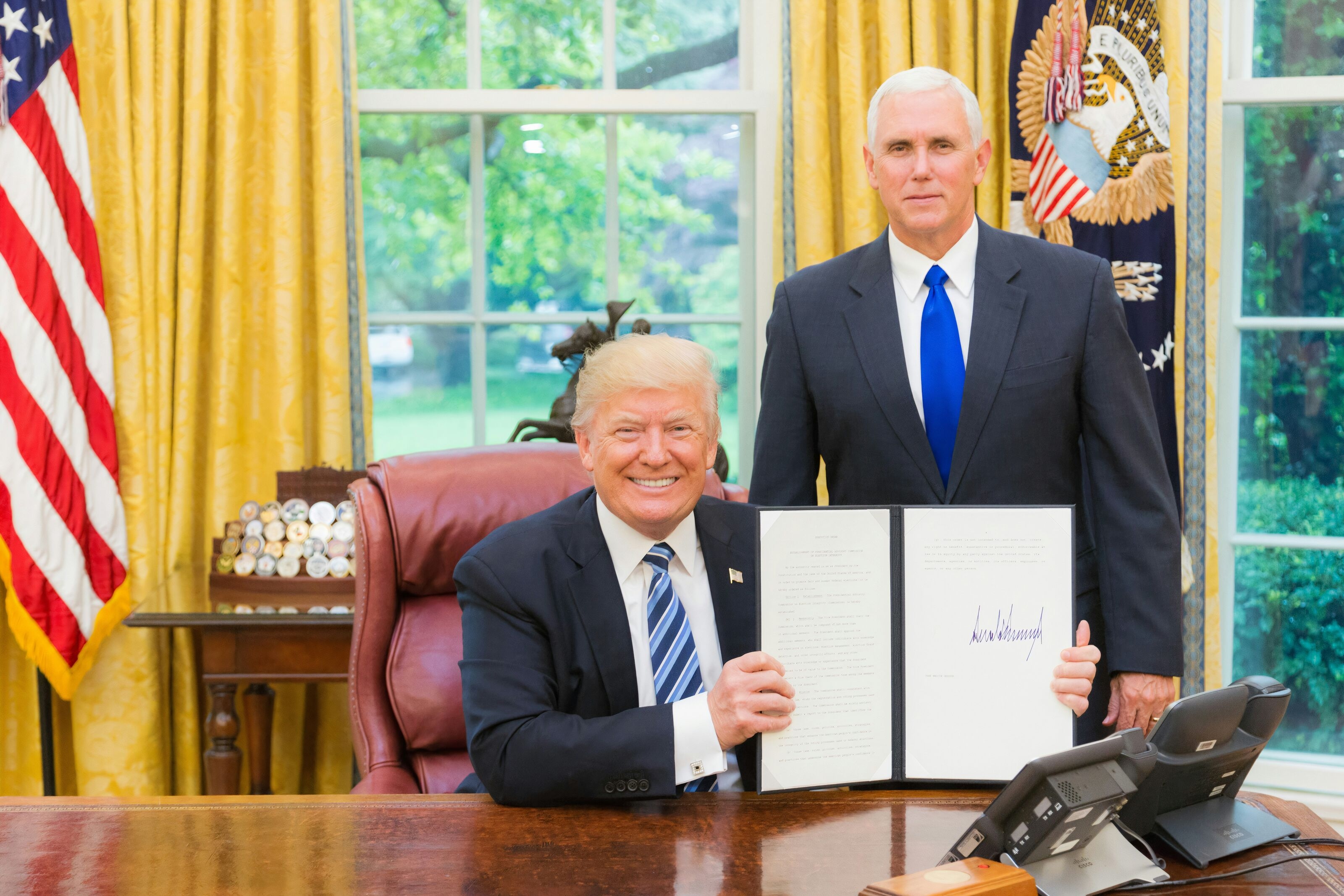
The collapse of negotiations between Washington and Tehran marks a turning point in US-Iran relations. According to officials from The White House, talks aimed at reducing sanctions and stabilizing the region failed to produce any meaningful progress.
This development follows increasing tensions highlighted in recent analysis, including the growing risk to global trade routes. A related report explains how Iran’s strategic positioning continues to pressure global markets and the US economy:
https://usablogtoday.com/blogs/iran-limits-raise-strait-of-hormuz-risk-for-us-economy
The Strait of Hormuz remains a vital artery for oil exports from countries such as Saudi Arabia, the UAE, and Kuwait. Any blockade or military disruption could instantly restrict global supply.
According to the International Energy Agency (IEA), even minor disruptions in the Strait can lead to sharp increases in oil prices due to tight global supply conditions:
https://www.iea.org/reports/oil-market-report
Energy market analysts also warn that geopolitical instability in the Middle East remains one of the strongest drivers of oil price volatility. Historical data shows that even threats to shipping lanes often cause immediate spikes in crude oil futures.
What This Means for Americans
Higher Fuel Costs
If tensions escalate, US consumers could see gasoline prices rise rapidly. Energy markets react quickly to supply risks, meaning price increases could happen within days.
Inflation Pressure
Higher oil prices often translate into broader economic effects. Transportation, manufacturing, and food costs could all increase, putting additional strain on American households.
Market Volatility
Financial markets are highly sensitive to geopolitical uncertainty. While energy stocks may benefit, sectors like airlines, logistics, and retail could face losses due to rising costs.
Economic Ripple Effects
The potential fallout is similar to concerns raised in previous economic policy conflicts, where uncertainty affects both markets and consumer confidence.
Related analysis on broader US economic risks:
https://usablogtoday.com/blogs/trump-tariffs-face-court-clash-as-us-economy-braces-for-fallout
Additional external insight on oil shock impact on inflation:
https://www.reuters.com/markets/commodities/oil-prices-inflation-impact-analysis-2026-04/
Expert Analysis: Why This Situation Matters Now
This crisis is not happening in isolation. Several factors make it particularly significant.
Tight Energy Markets
Global oil supply is already under pressure. Limited spare production capacity means any disruption could have an amplified impact on prices.
Strategic Pressure on Iran
Trump’s warning may be intended as a negotiation tactic. By signaling a potential blockade, the US increases pressure on Iran to return to talks under stricter conditions.
Military Implications
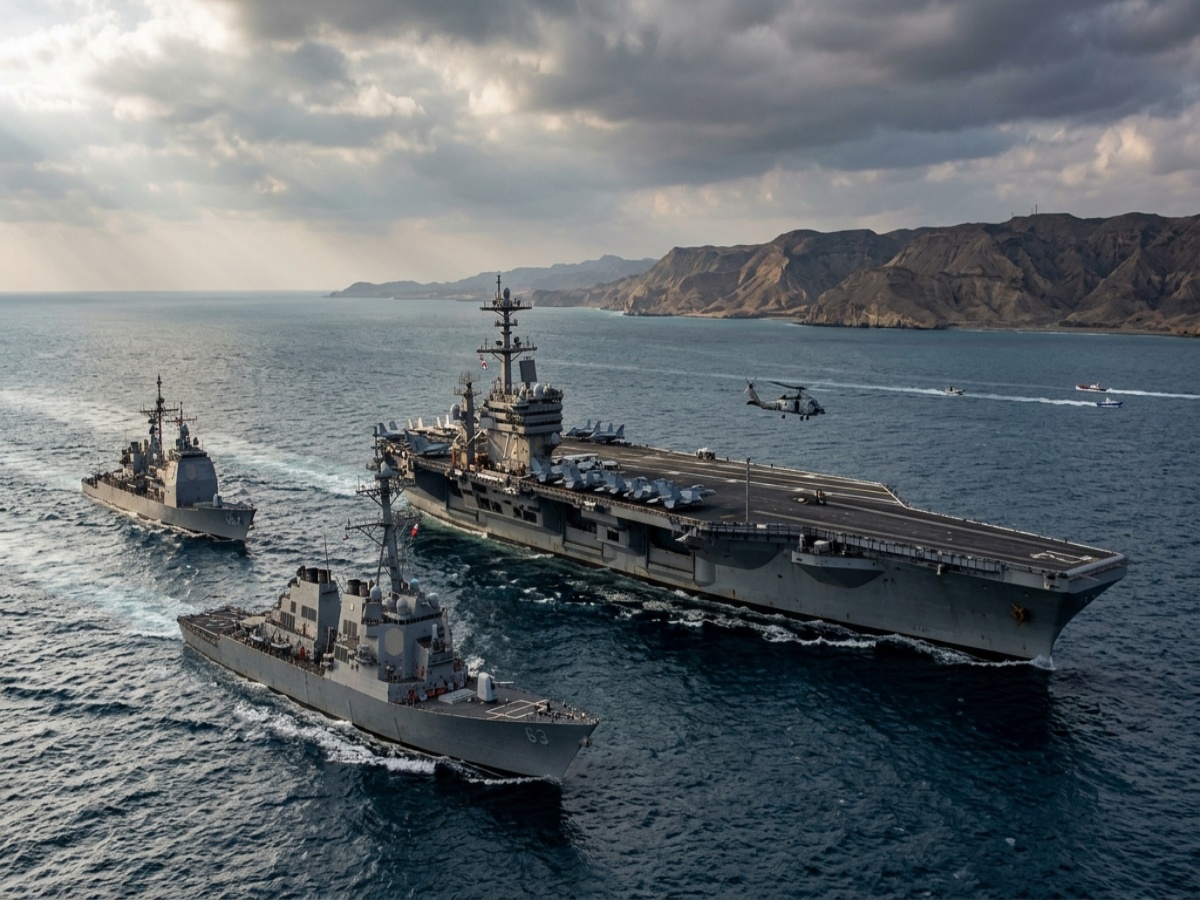
A blockade would require a significant US naval presence in the region, increasing the risk of direct confrontation. Even without immediate action, military positioning could heighten tensions.
Domestic Political Context
Strong foreign policy messaging often plays a role in shaping domestic political narratives, especially during periods of economic uncertainty.
Global Impact Beyond the US
The consequences of a potential Strait of Hormuz blockade would extend far beyond the United States.
- European and Asian economies could face immediate energy shortages
- Emerging markets may experience currency instability
- Global shipping routes could be disrupted, increasing costs
Because the Strait is such a critical chokepoint, any prolonged disruption could reshape global energy trade patterns.
For deeper geopolitical context, see global risk analysis:
https://www.cfr.org/global-meltdown-energy-security
What Happens Next?
The situation remains uncertain, with several possible outcomes:
- Continued diplomatic efforts to avoid escalation
- Increased US military presence in the Gulf
- Rising oil prices due to market speculation
- Potential retaliatory measures from Iran
While no blockade has been implemented yet, the threat alone is enough to influence global markets and political strategies.
Conclusion
The warning of a potential US blockade of the Strait of Hormuz represents a critical moment in global geopolitics. With nearly 20% of the world’s oil supply passing through this route, the stakes are extremely high.
For American consumers, the impact could be immediate—rising gas prices, increased inflation, and economic uncertainty. For global markets, the situation introduces a new layer of risk that could shape energy and trade dynamics in the months ahead.
Whether this escalation leads to confrontation or renewed diplomacy will determine the next phase of US-Iran relations and its impact on the global economy.

 US
US