Introduction
Tensions surrounding the Strait of Hormuz are once again escalating, as Iran signals new limits on maritime activity in one of the world’s most critical oil chokepoints. The development is raising serious concerns for global energy markets—and particularly for the United States, where even minor disruptions in oil supply can ripple through the economy.
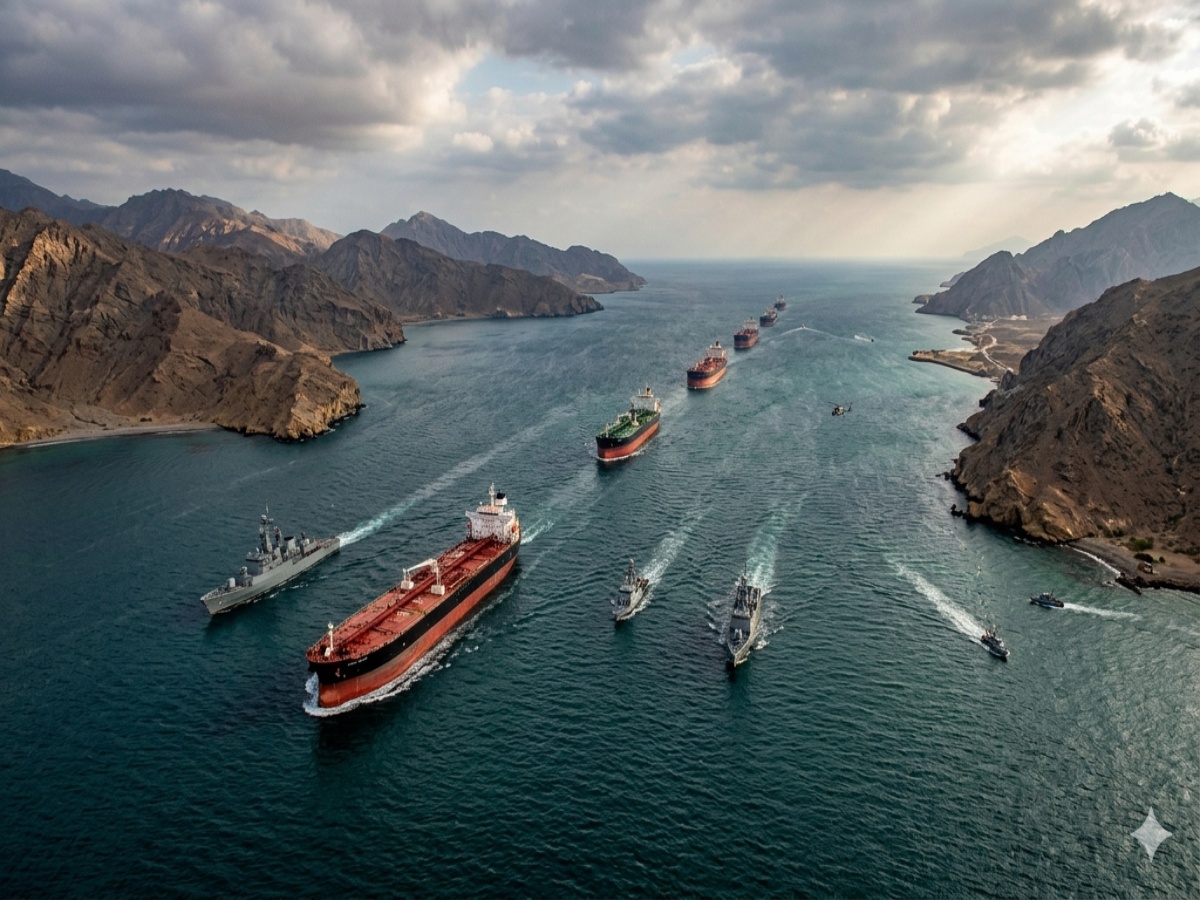
The Strait of Hormuz, a narrow passage between Iran and Oman, handles a significant portion of the world’s oil shipments. Any political or military tension in this region has immediate global consequences, making it a persistent flashpoint in international relations.
Key Highlights
- Around 20% of global oil supply passes through the Strait of Hormuz
- Iran signals potential restrictions on shipping routes
- Oil prices show signs of volatility amid rising tensions
- US and allies monitoring situation closely
- Risk of disruption could impact global trade and inflation
Full Details: Why the Strait of Hormuz Matters
The Strait of Hormuz is one of the most strategically important waterways in the world. Every day, millions of barrels of crude oil and liquefied natural gas pass through this narrow corridor, connecting producers in the Middle East to markets in Asia, Europe, and North America.
Iran’s latest signals—whether political messaging or operational changes—have revived concerns about potential disruptions. While Tehran has not announced a full closure, even the suggestion of limits can influence global markets.
For verified global energy data and maritime importance, see:
👉 https://www.eia.gov/international/analysis/special-topics/Strait_of_Hormuz.php
Political Pressure and Strategic Messaging
Iran has historically used the Strait of Hormuz as a strategic leverage point. By signaling control over this chokepoint, it can:
- Respond to sanctions
- Influence global oil prices
- Pressure Western nations diplomatically
These moves are often calculated—not necessarily to trigger conflict, but to remind global powers of Iran’s strategic position.
A Fragile Global Energy System
Even without direct confrontation, uncertainty alone can drive:
- Oil price spikes
- Market instability
- Increased shipping costs
Recent geopolitical shifts in Europe and global alliances have already complicated US foreign policy strategy. For broader context, read:
👉 https://usablogtoday.com/blogs/us-influence-in-europe-at-stake-orbns-political-survival-in-question
What This Means for the United States
1. Higher Gas Prices
The most immediate impact for Americans could be at the pump. Any disruption in the Strait of Hormuz often leads to:
- Rising crude oil prices
- Increased gasoline costs
- Higher transportation expenses
2. Inflation Pressure
Energy prices are closely tied to inflation. If oil prices rise sharply, it could:
- Increase costs of goods and services
- Impact consumer spending
- Slow economic growth
3. Strategic Military Response
The US Navy maintains a presence in the region to ensure freedom of navigation. Rising tensions could lead to:
- Increased military deployments
- Higher defense spending
- Greater risk of confrontation
4. Global Trade Disruptions
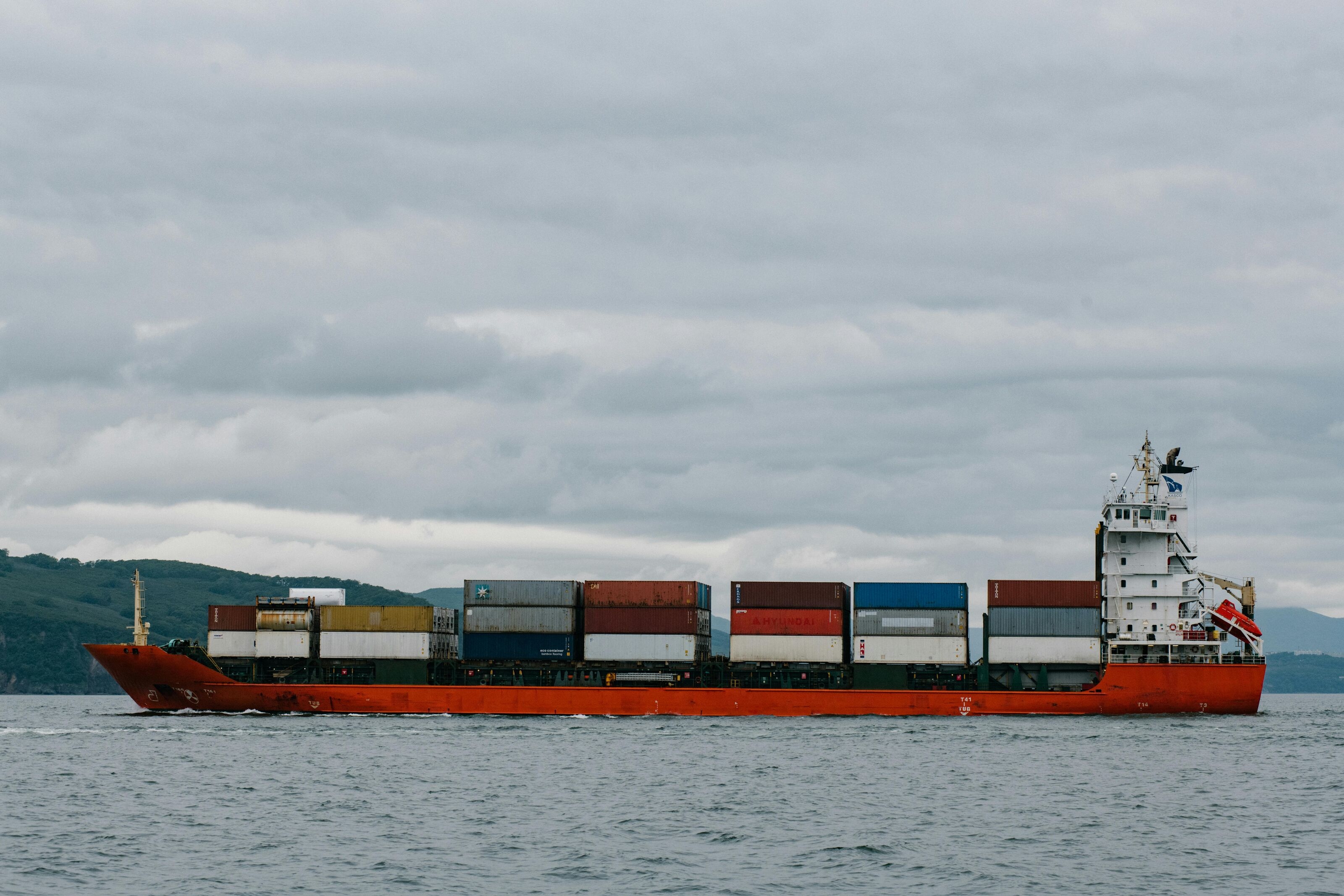
The Strait is not just about oil—it’s a major trade route. Any instability could affect:
- Shipping timelines
- Supply chains
- Global commerce
This ties directly into broader geopolitical challenges facing the US, especially in maintaining influence across key regions:
👉 https://usablogtoday.com/blogs/us-influence-in-europe-at-stake-orbns-political-survival-in-question
Expert Analysis: Why Iran Is Setting Limits
1. Leverage in Negotiations
Iran’s actions are often linked to ongoing tensions with Western nations over sanctions and nuclear policy. By raising the stakes in the Strait of Hormuz, Tehran gains bargaining power.
2. Economic Strategy
Higher oil prices can benefit oil-exporting countries, including Iran. Even limited disruptions can:
- Push prices upward
- Offset economic pressures from sanctions
3. Controlled Escalation
Iran’s strategy appears to focus on controlled escalation—increasing tension without crossing into full-scale conflict. This allows it to:
- Maintain pressure
- Avoid direct military confrontation
- Keep diplomatic channels open
Unique Insight: The Strait of Hormuz as a Global Pressure Point
What makes the Strait of Hormuz uniquely dangerous is its global impact despite its narrow geography.
Unlike other conflict zones:
- A single incident here can affect multiple continents
- Markets react instantly to even minor developments
- Energy security becomes a shared global concern
For the United States, this means that even distant geopolitical tensions can quickly become domestic economic issues.
Looking ahead, the situation may push the US to:
- Accelerate energy independence efforts
- Diversify supply chains
- Invest in alternative energy sources
Conclusion
The Strait of Hormuz remains one of the most sensitive geopolitical hotspots in the world. Iran’s latest moves, while not outright aggressive, highlight the fragile balance that governs global energy flows.
For the United States, the stakes are clear: rising oil prices, economic pressure, and potential security risks. As tensions continue to evolve, the world will be watching closely—because what happens in this narrow waterway can have far-reaching consequences.

 US
US