A Flashpoint Reignites in the World’s Most Critical Waterway
The fragile calm between the United States and Iran is showing visible cracks. In a dramatic escalation, U.S. forces destroyed six Iranian small boats after what American officials described as attempts to interfere with protected shipping operations in the Strait of Hormuz. Almost simultaneously, Iran launched missile and drone attacks targeting the United Arab Emirates (UAE) and commercial vessels navigating the same narrow corridor.
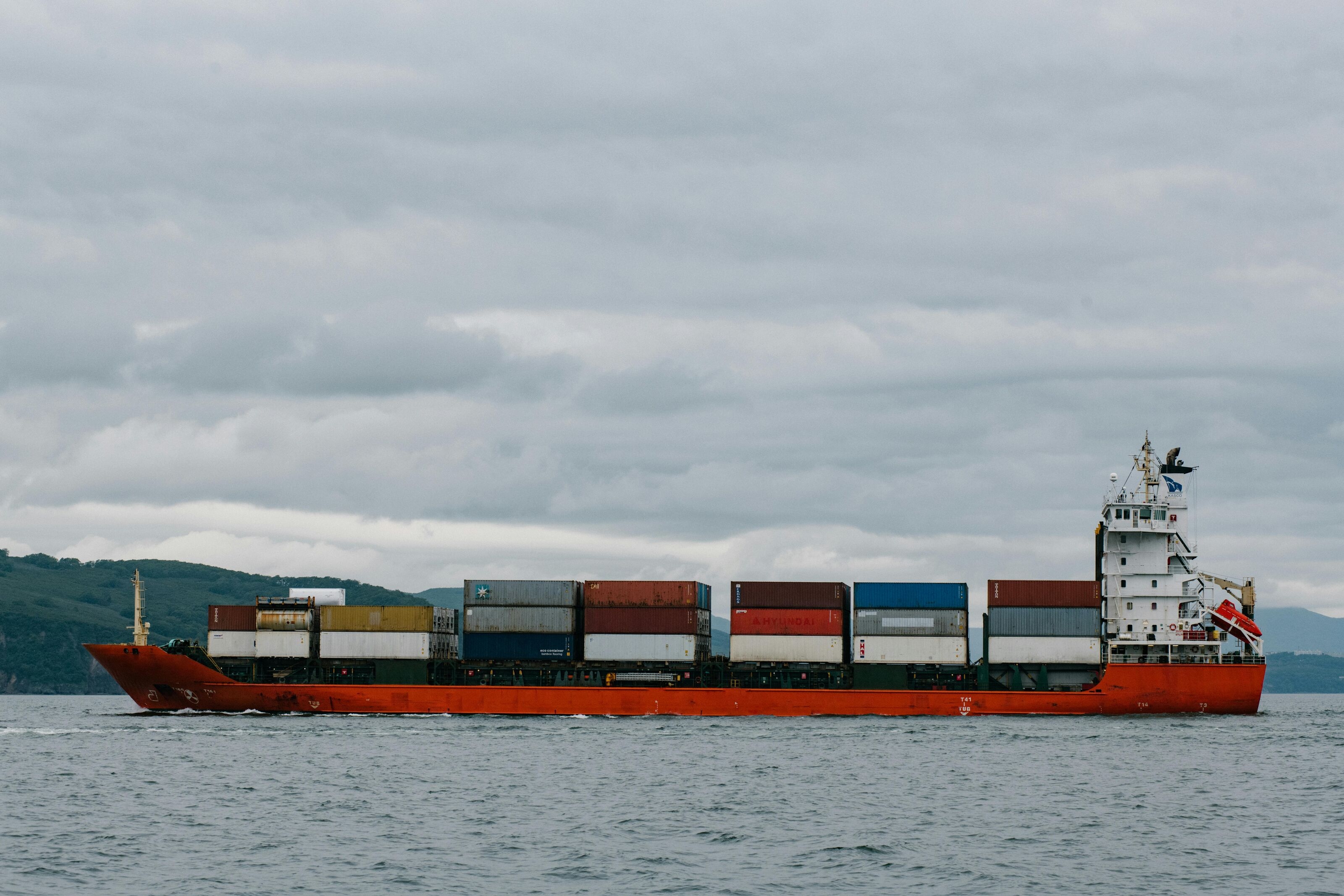
This isn’t just another regional skirmish. It’s a direct challenge to the stability of one of the most strategically vital choke points in the global economy. Roughly one-fifth of the world’s oil flows through the Strait of Hormuz. Any disruption here doesn’t stay local—it ripples across fuel prices, supply chains, and geopolitical alliances worldwide.
The primary keyword — U.S. sinks 6 small Iranian boats — captures the headline moment. But the deeper story is about control, deterrence, and the growing risk of a wider conflict.
What Actually Happened in the Strait of Hormuz?
A Coordinated Day of Escalation
The sequence of events reveals a carefully layered escalation:
- Iran launched cruise missiles toward the UAE, marking its first such attack since an April ceasefire.
- Drone strikes targeted commercial vessels, including a tanker linked to UAE energy operations.
- Reports emerged of damage to a South Korean cargo ship after a suspected strike.
- Meanwhile, U.S. forces, operating under a newly announced mission to escort ships, engaged Iranian “fast boats” and destroyed six of them.
From a military standpoint, the U.S. action appears tactical—neutralizing immediate threats to shipping lanes. From a strategic lens, however, it signals something more: a willingness to enforce maritime access by force.
Iran, for its part, denies losing any vessels and frames its actions as “warning shots,” not attacks. This contradiction is typical in conflict zones, where narrative control is nearly as important as battlefield outcomes.
Why the Strait of Hormuz Matters More Than Any Battlefield
The World’s Energy Artery
The Strait of Hormuz is not just a regional shipping lane—it’s a global economic lifeline:
- Around 20% of global oil supply passes through it daily
- It connects major producers like Saudi Arabia, Iraq, and the UAE to global markets
- Even temporary disruptions can spike oil prices within hours
When tensions rise here, energy markets react instantly. That’s exactly what happened: oil prices jumped within hours of the attacks.
A Narrow Corridor, A Massive Risk
At its narrowest, the strait is just about 21 miles wide. That makes it:
- Easy to monitor
- Easy to block
- Extremely vulnerable to mines, drones, and small boat attacks
Unlike open ocean warfare, conflicts here are compressed, fast-moving, and highly unpredictable.
The Strategy Behind “Project Freedom”
The U.S. response is anchored in a new initiative designed to keep trade flowing despite threats.
What Is Project Freedom?
Project Freedom is a U.S.-led operation aimed at:
- Escorting commercial ships safely through the strait
- Reassuring global markets
- Countering Iran’s de facto control claims
This isn’t the first time the U.S. has done this. Similar convoy-style protections were used during the “Tanker War” phase of the Iran-Iraq conflict in the 1980s.
The Risk of Direct Confrontation
Here’s the problem: escort missions increase the chances of direct clashes.
- Iranian forces see escorts as provocation
- U.S. forces see interference as a threat
- One miscalculation could trigger rapid escalation
The destruction of six Iranian boats shows how quickly encounters can turn kinetic.
Iran’s Playbook: Pressure Without Full War
Iran’s actions reflect a familiar asymmetric strategy.
Controlled Escalation
Rather than launching full-scale attacks, Iran is:
- Using drones and small boats to harass shipping
- Targeting economic assets instead of military bases
- Sending signals without crossing into total war
This approach allows Iran to apply pressure while avoiding overwhelming retaliation.
Economic Leverage
By threatening shipping routes, Iran is effectively weaponizing geography.
- Disrupt oil → raise global prices
- Raise prices → pressure Western economies
- Pressure economies → influence political decisions
It’s not just military strategy—it’s economic warfare.
Market Shock: Why Oil Prices Jump First
Financial markets reacted immediately to the news.
Short-Term Impact
- Oil prices surged within hours
- Shipping insurance costs increased
- Stock markets showed early volatility
Even the perception of risk in the Strait of Hormuz is enough to move billions of dollars.
Longer-Term Consequences
If tensions persist:
- Energy costs could remain elevated
- Inflation pressures could rise globally
- Supply chains could face renewed disruption
For countries dependent on imported energy—especially in Asia and Europe—the stakes are enormous.
What This Means
For Everyday People
You may be thousands of miles away, but this still hits home:
- Higher fuel prices at the pump
- Increased cost of goods due to shipping expenses
- Potential inflation spikes
Global conflicts don’t stay global anymore—they show up in your daily expenses.
For Businesses
Companies face immediate operational risks:
- Shipping delays or rerouting
- Higher insurance premiums
- Uncertain supply timelines
Industries like logistics, manufacturing, and aviation are especially exposed.
For Governments
This incident forces tough choices:
- Escalate militarily or push for diplomacy?
- Protect trade routes or avoid confrontation?
- Align with allies or stay neutral?
Each decision carries long-term geopolitical consequences.
Future Outlook: Where This Could Go Next
Scenario 1: Controlled Tension (Most Likely)
- Continued small-scale attacks
- Ongoing U.S. escorts
- No full-scale war
This keeps markets unstable but avoids catastrophe.
Scenario 2: Accidental Escalation
- A misfire hits a major vessel
- Casualties increase
- Rapid military response follows
This is the most dangerous path because it’s unplanned.
Scenario 3: Diplomatic Breakthrough
- Renewed negotiations
- Partial reopening of the strait
- Reduction in military presence
Possible, but unlikely in the short term given current rhetoric.
Scenario 4: Full Regional Conflict
- Involvement of Gulf states
- Expansion beyond maritime clashes
- Major disruption to global oil supply
This remains a worst-case scenario—but not impossible.
Expert Insight: Why This Moment Is Different
What sets this situation apart isn’t just the violence—it’s the timing and context.
- A ceasefire technically exists, yet attacks continue
- Both sides are testing limits without declaring war
- Economic warfare is now central, not secondary
This creates a “gray zone conflict”—not peace, not war, but something in between. Historically, these are the hardest to resolve and the easiest to miscalculate.
External Source:
https://www.cbsnews.com/live-updates/iran-war-trump-strait-of-hormuz-ship-attack-threat-peace-proposal/
FAQs
1. Why did the U.S. sink 6 Iranian boats?
The U.S. says the boats were attempting to interfere with protected shipping operations in the Strait of Hormuz, posing a direct threat to vessels under escort.
2. Did Iran actually lose those boats?
Iran denies any losses, highlighting the information war that often accompanies military conflicts.
3. Why is the Strait of Hormuz so important?
It handles about 20% of global oil shipments. Disruptions here affect global energy prices almost immediately.
4. Will this lead to a full-scale war?
Not necessarily. Both sides appear to be engaging in controlled escalation, but the risk of accidental conflict remains high.
5. How does this affect global oil prices?
Even minor incidents can cause price spikes due to uncertainty. Sustained tensions could keep prices elevated.
The Bottom Line
The headline — U.S. sinks 6 small Iranian boats — may sound like a tactical military update. In reality, it’s a signal that one of the world’s most sensitive geopolitical pressure points is heating up again.
This isn’t just about ships or missiles. It’s about control of global trade routes, economic leverage, and the fragile balance between deterrence and الحرب.
The coming weeks will determine whether this remains a contained standoff—or becomes the spark for something far bigger.

 US
US