Introduction
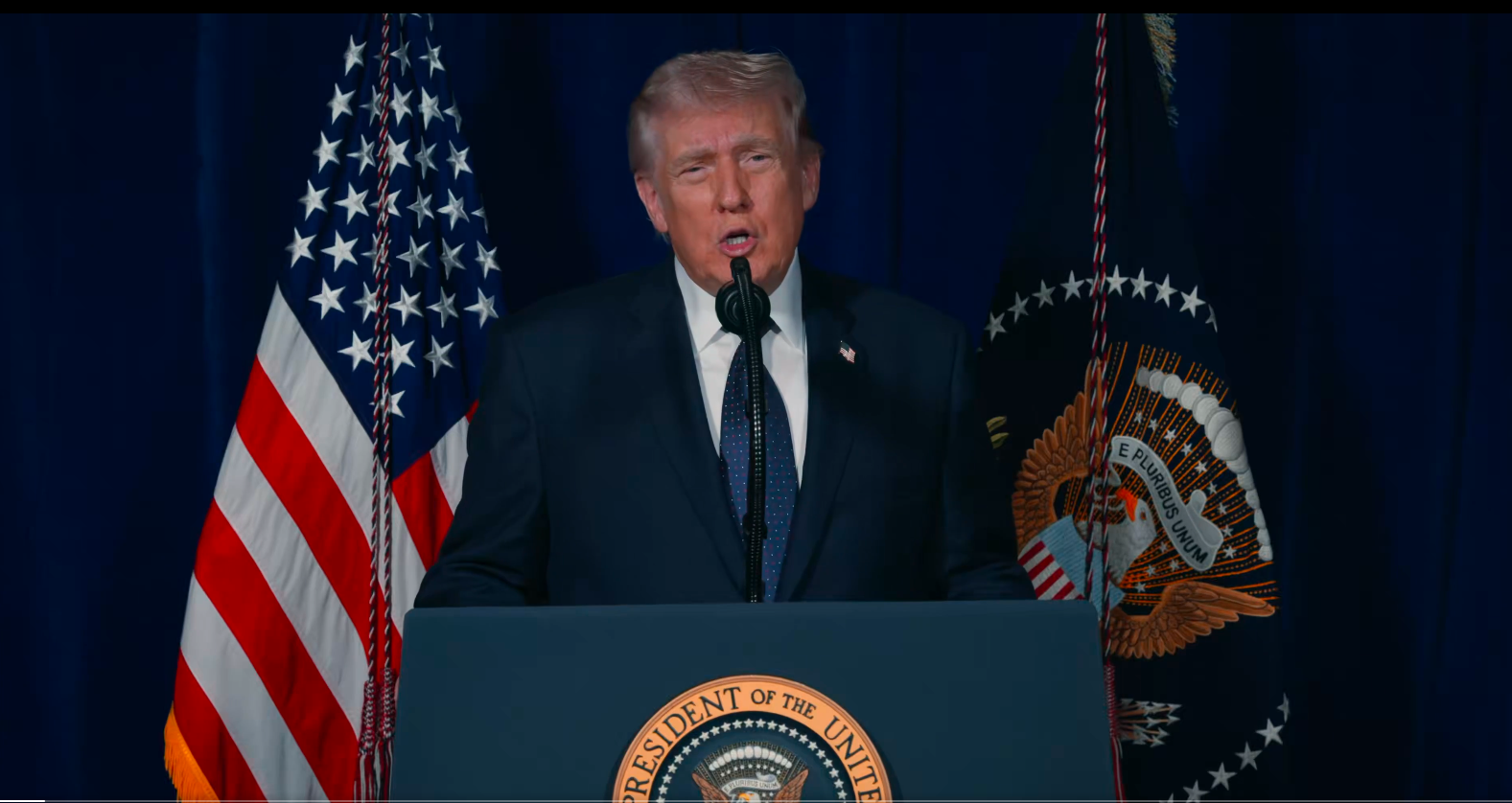
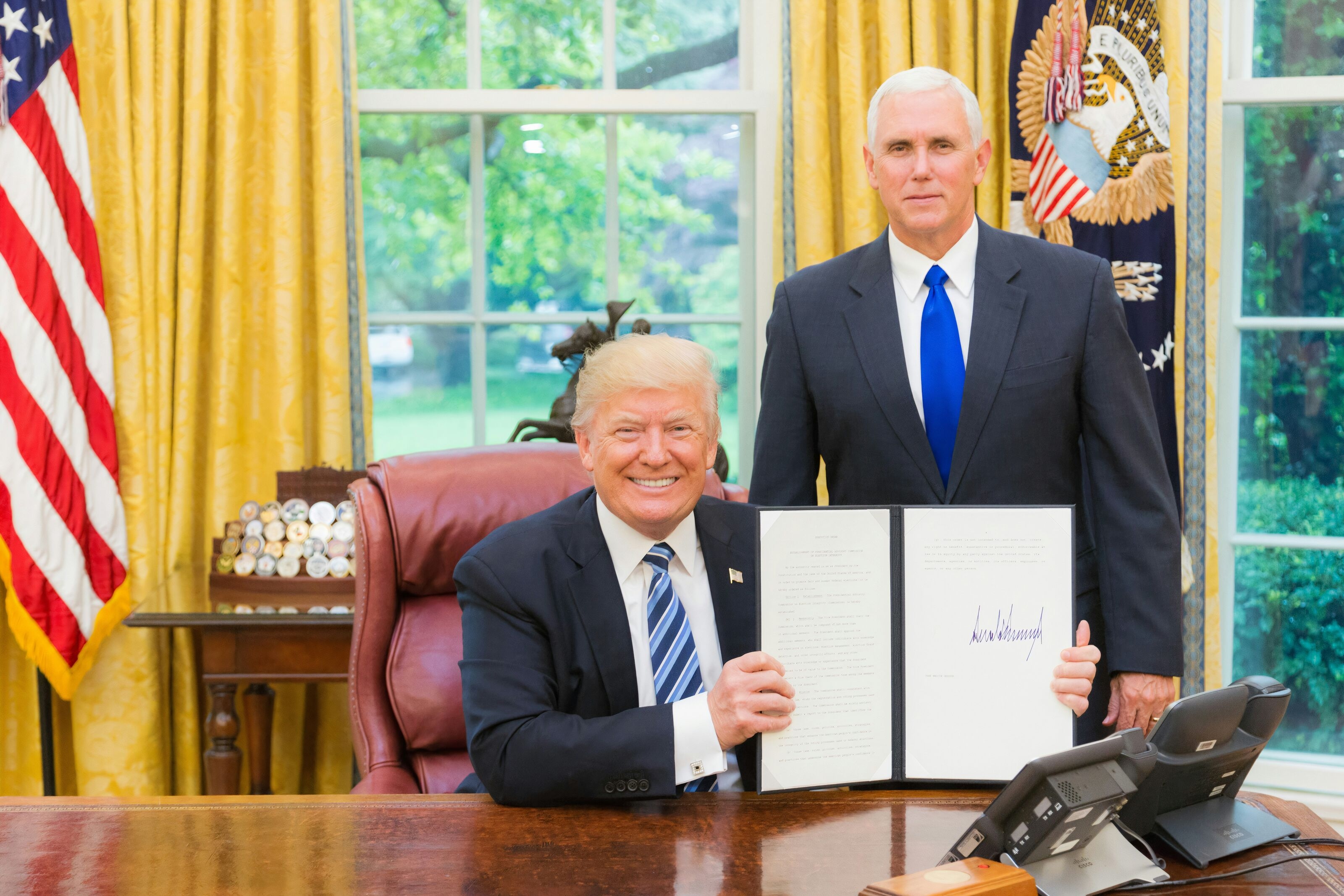
President Trump may soon see one of his closest political allies in Europe lose power, a shift that could reverberate across US foreign policy, NATO cohesion, and international political alignment. In the Hungary election 2026, long‑serving Prime Minister Viktor Orbán—widely seen as President Trump’s most reliable European ally—is facing his toughest electoral challenge yet. With the opposition polling ahead and momentum building for change, the outcome is far from guaranteed. This election represents not just a domestic contest in Budapest, but a geopolitical pivot point with implications from Washington to Brussels and beyond.
Key Highlights
- Viktor Orbán, Trump’s closest European ally, risks losing the Hungary election.
- Opponent Péter Magyar’s Tisza party leads critical polls.
- US Vice President JD Vance traveled to Budapest to show public support.
- Hungary’s EU funding, Russia ties, and NATO role hang in the balance.
- A shift in power could reshape Trump’s global nationalist alliances.
Full Details
Hungary Election 2026: Stakes Beyond Budapest
Orbán’s government has been in power since 2010, building what many analysts call an “illiberal democracy,” where competitive elections coexist with centralized media control, judiciary influence, and institutional dominance. This political model has made Orbán a popular figure among conservative movements globally, including within the US Republican Party. However, recent polling suggests a significant shift is underway: the center‑right Tisza party, led by Péter Magyar, now holds a consistent lead in independent polls — a remarkable reversal in what was once considered an Orbán stronghold.
US Involvement and Transatlantic Tensions
In an unusually direct diplomatic signal, US Vice President JD Vance — one of President Trump’s closest allies — flew to Budapest to publicly endorse Orbán and criticize the European Union’s role in the election. Vance accused Brussels of “interference” while simultaneously vowing support for Orbán’s “vision of strong national sovereignty.”
This visit underscores the Trump administration’s willingness to take an activist approach in foreign elections — a departure from traditional US diplomatic neutrality. The decision to intervene publicly has drawn both praise from nationalist circles and criticism from defenders of democratic norms who argue that foreign endorsements risk undermining genuine electoral choice.
Russia, EU, and NATO Dynamics
Orbán’s international alliances add another layer of complexity. Beyond his close rapport with Trump, he has also maintained ties with Russian President Vladimir Putin. A leaked report suggested Orbán offered to host diplomatic talks between Russia and the West, highlighting Budapest’s unique positioning between major global powers.
Western officials, including in the EU, have expressed concern that Hungary’s foreign policies sometimes obstruct bloc‑wide initiatives, particularly regarding Ukraine and Russian sanctions. If Orbán falls, Hungary could pivot to a more EU‑aligned stance, enabling stronger cooperation on defense, energy, and economic matters.
How This Connects to US Domestic Politics
Trump’s Broader Geopolitical Agenda
The Hungary election thread ties into broader US political and foreign policy debates under the Trump administration. Across multiple international fronts, Trump has taken bold, sometimes controversial actions — including economic and security measures that have drawn both bipartisan scrutiny and domestic political backlash.
For instance, Trump’s recent moves toward imposing 50% tariffs on nations that supply military weapons to Iran reflect an aggressive economic strategy tied to national security. The announcement, made via social media, emphasized an uncompromising stance toward Tehran and countries perceived as supporting its military development.
Simultaneously, there is active domestic debate about broader Trump administration policies. Recent commentary on platforms like USA Blog Today highlights discussions of impeachment talk as Iran tensions raise US risks, reflecting political polarization and concerns over executive decision‑making amid international crises. (Source: https://usablogtoday.com/blogs/trump-faces-impeachment-talk-as-iran-tensions-raise-us-risks)
Another discourse covers economic and foreign policy moves such as Trump's tariff threats, including discussions of whether imposing 50% tariffs on nations arming Iran threatens US economic interests and global alliances. (Source: https://usablogtoday.com/blogs/trump-imposes-50-tariffs-on-nations-arming-iran-us-security-at-stake)
These developments, while distinct from the Hungary election, contribute to the broader climate of US foreign policy assertiveness — a backdrop that shapes how American allies and adversaries perceive US commitments abroad.
What This Means for the US
1. Diplomatic Blow or Strategic Reset?
If Orbán loses the Hungary election, the US would lose a high‑profile ideological ally in Europe. While this might be perceived as a political setback for Trump’s global strategy, it could also reset relations with European partners who view Hungary’s alignment as a source of tension within NATO and the EU.
2. US Interests in NATO and Regional Security
A new Hungarian government could align more closely with EU and NATO priorities, particularly regarding support for Ukraine, collective defense spending, and regional security cooperation — areas where Orbán often diverged from alliance consensus.
3. Economic & Trade Impacts
Orbán’s potential exit could open Hungary to expanded EU funding and economic integration, which might stabilize markets in Central Europe. For American investors and multinational corporations, this could present new opportunities in sectors from infrastructure to energy.
4. Ideological Impact on US Politics
A defeat for Orbán would deal a symbolic blow to global nationalist networks that see him as a blueprint for combining conservative governance with electoral legitimacy. For domestic US audiences, particularly those aligned with Trump’s political movement, this could prompt introspection about the limits of ideological foreign alliances.
Expert Analysis (Original Insights)
The Limits of Ideological Exportation
One of the pivotal lessons from the Hungary election may be the limits of exporting political models across borders. While Orbán’s “illiberal democracy” resonated with some US conservatives, domestic Hungarian voters have increasingly focused on day‑to‑day issues such as rising living costs, stagnating wages, and public service dissatisfaction — concerns that external endorsements by figures like Vance can’t easily counter.
This trend underscores a fundamental geopolitical truth: foreign support can influence narratives but rarely substitutes for domestic responsiveness. Whether in Budapest or Washington, electorates prioritize tangible outcomes — jobs, inflation, infrastructure — over ideological affinity alone.
Shifting Strategic Priorities
The election also highlights a broader reorientation in global policy. With escalating tensions in regions like the Middle East and evolving US‑China relations, US diplomats may soon place more emphasis on multilateral cooperation and economic partnership rather than transactional nationalist bonds.
The outcome in Hungary could be a bellwether for this shift. If Hungarian voters opt for change, they may signal a preference for stability and cooperative engagement over divisive politics — a lesson that resonates in democratic societies worldwide.
For more updates external source:
CNN
theguardian
Conclusion
The upcoming Hungary election 2026 is more than a regional vote — it’s a geopolitical inflection point that could reshape Europe’s ties with the United States, recalibrate NATO dynamics, and set the tone for how American influence is exerted abroad. Viktor Orbán’s potential defeat would mark a significant inversion in global nationalist momentum and force a strategic reevaluation in Washington.
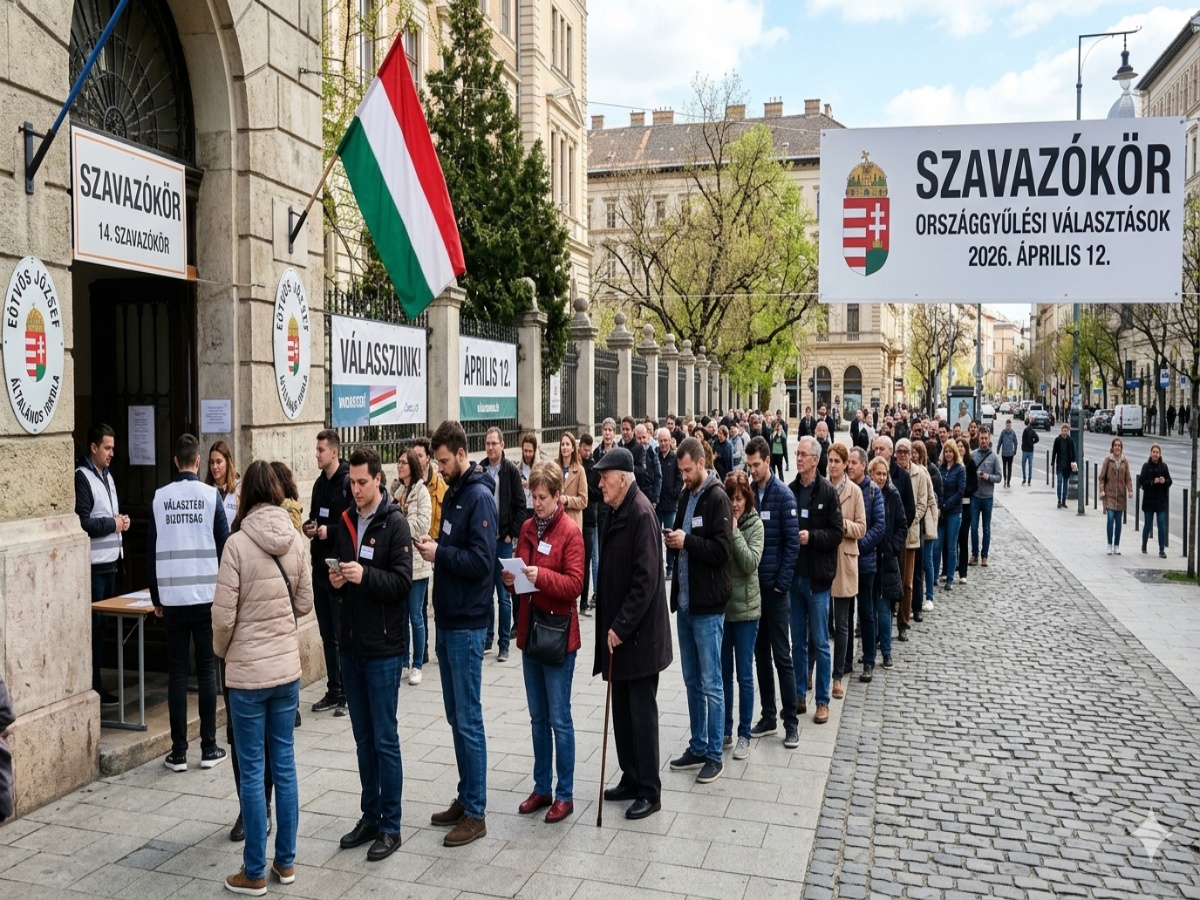
From tariff battles to parliamentary politics in Budapest, the interconnected nature of today’s global landscape is unmistakable. As voters cast their ballots, the world watches — a reminder that democracy’s course can have far‑reaching implications beyond any one nation’s borders.

 US
US