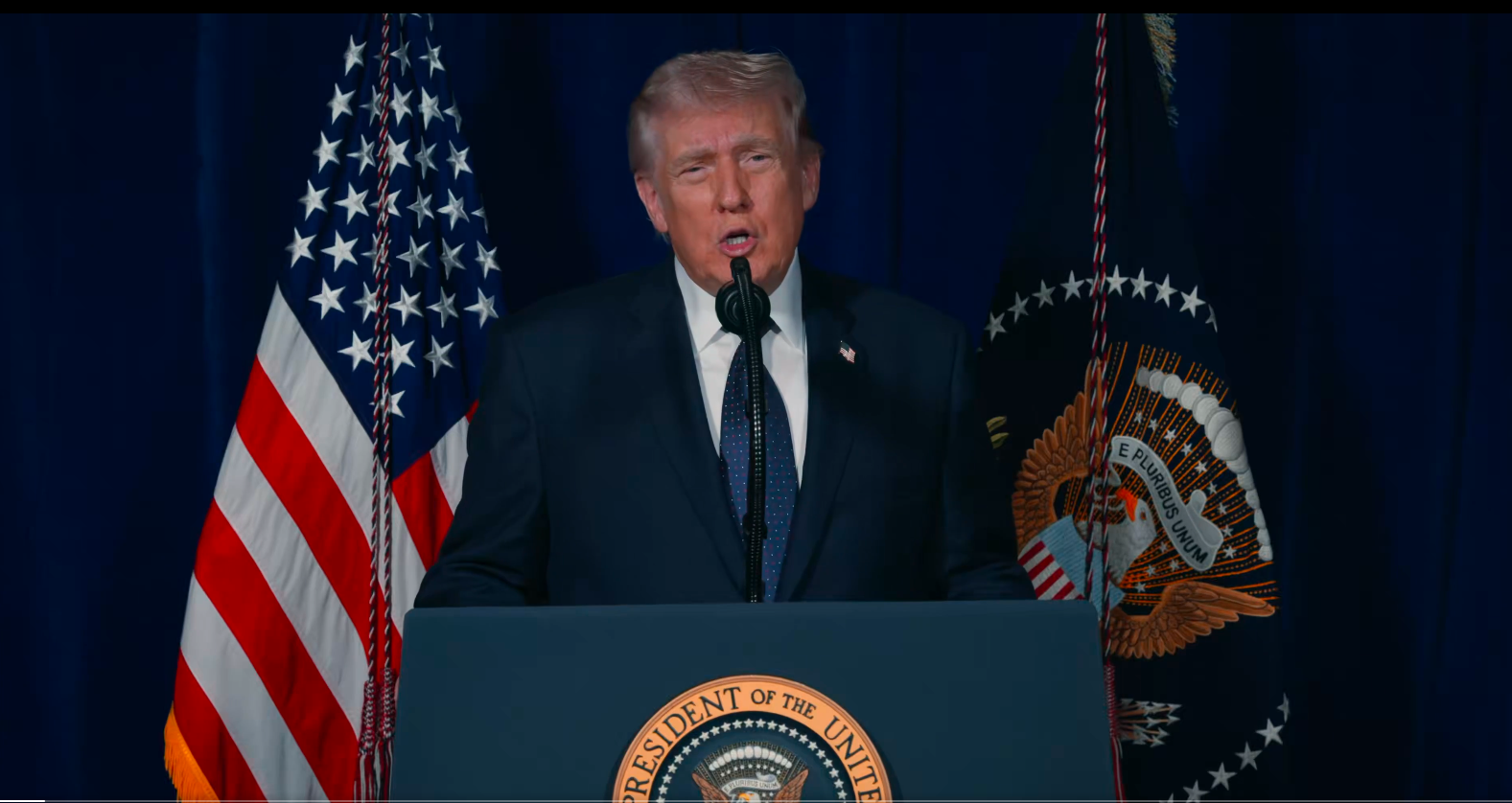
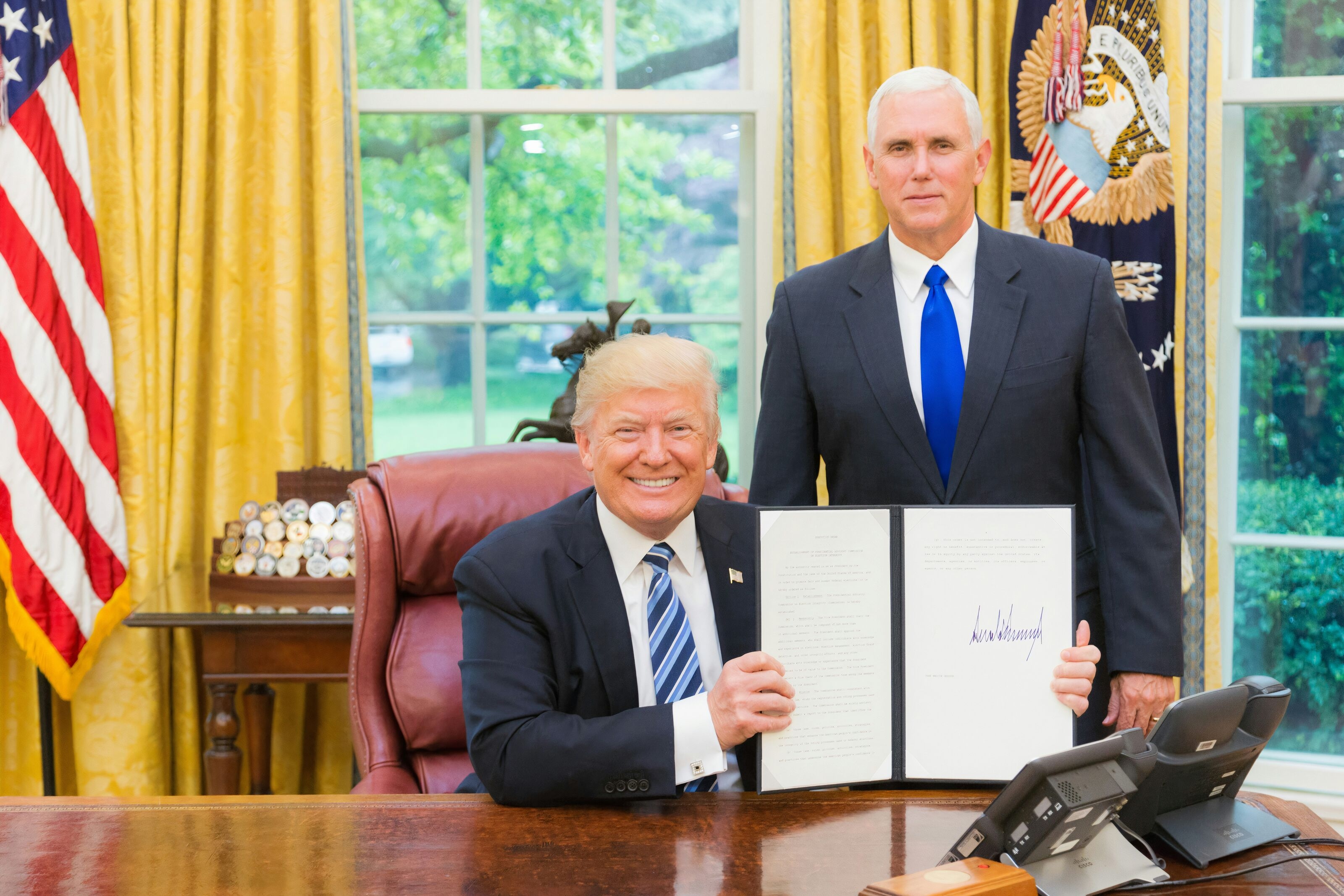
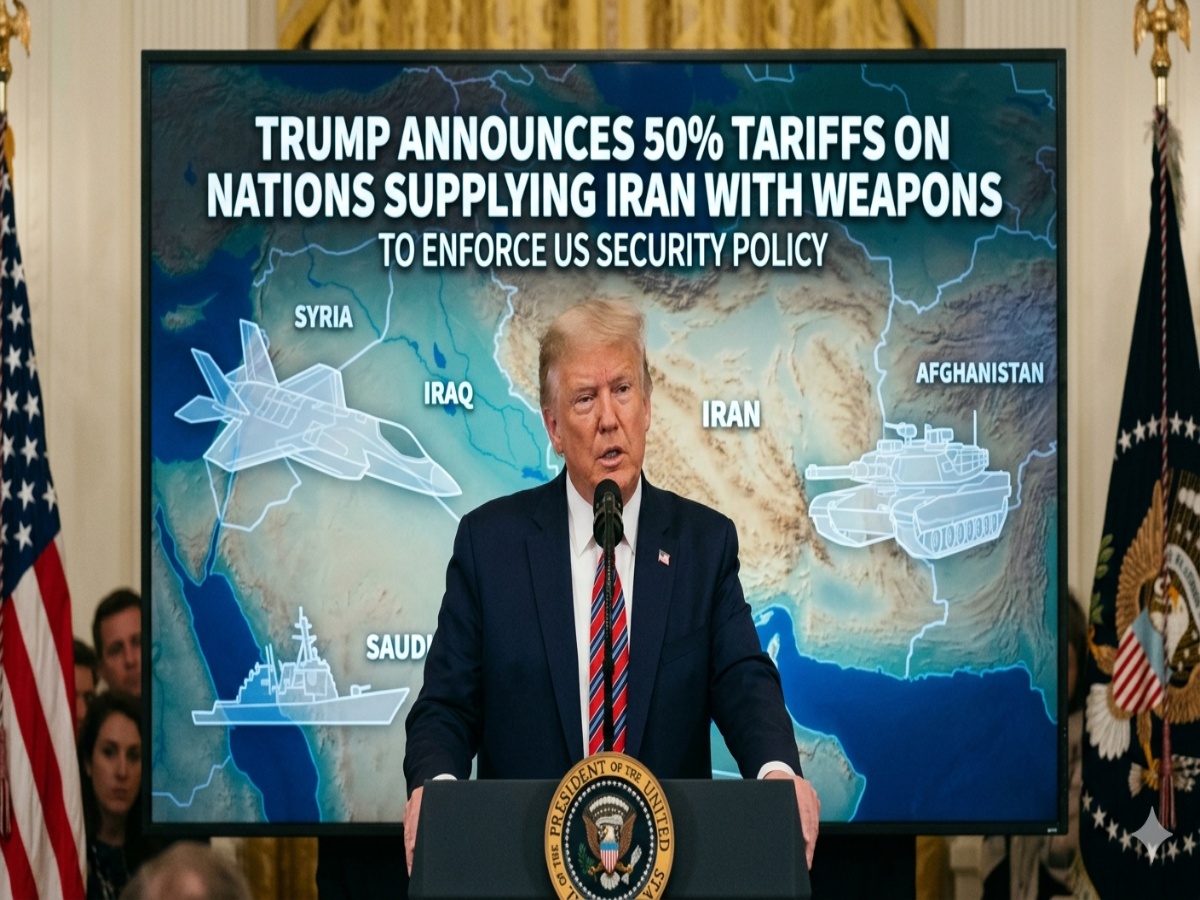
Trump Announces 50% Tariffs on Nations Supplying Iran with Weapons
In a bold move to reinforce US security and deter Iran’s military expansion, President Donald Trump announced on April 8, 2026, that any country supplying weapons to Iran will face immediate 50% tariffs with no exemptions. The announcement comes just one day after a two-week ceasefire was agreed with Tehran, highlighting the administration’s dual approach of diplomacy backed by economic leverage.
Trump disclosed the policy in a social media post, emphasizing that the US will “hold accountable any nation that aids Iran’s military capabilities,” signaling a tougher stance on arms proliferation in the Middle East.
Key Highlights
- Trump announces 50% tariffs on nations supplying Iran with weapons, effective immediately.
- Announcement follows a two-week ceasefire agreement between the US and Iran.
- The measure targets countries violating arms embargoes and threatens major economic fallout.
- Analysts warn of potential global trade tensions and impacts on American import/export markets.
- US allies and regional actors are monitoring compliance, including NATO partners and Gulf states.
Full Details
The new tariffs represent one of the most direct economic penalties targeting nations accused of supplying Iran with military weapons. According to White House statements, this measure affects all arms-related imports originating from nations aiding Tehran’s military, with no exceptions allowed.
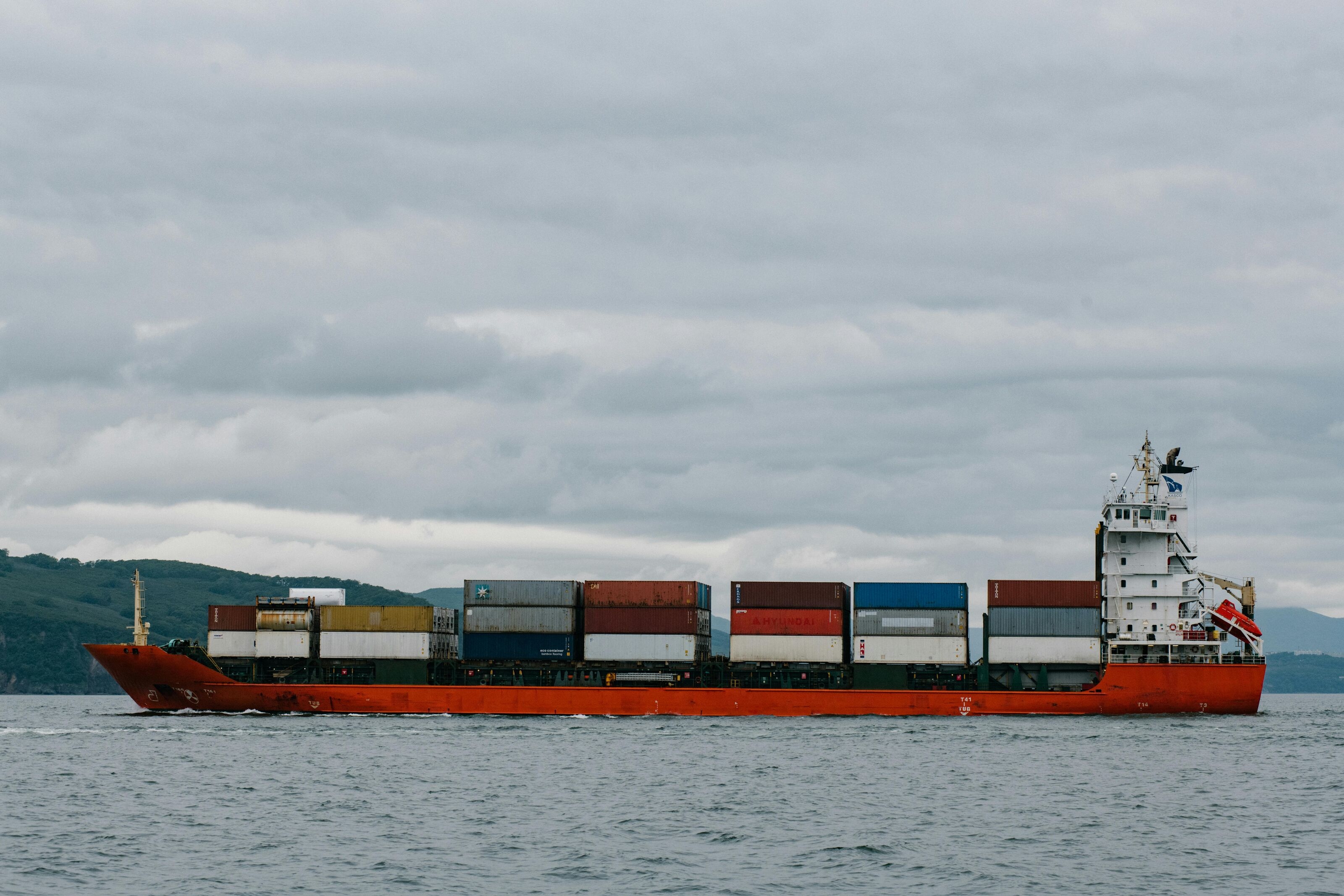
The announcement coincides with recent diplomatic efforts in the Middle East, where a temporary ceasefire between Iran and the US was brokered to reduce tensions in the Strait of Hormuz, a critical chokepoint for global oil shipments (MarineTraffic data confirms resumed activity). By coupling economic pressure with diplomatic overtures, the Trump administration aims to discourage future arms shipments while maintaining a fragile peace.
Analysts note that the move could trigger significant consequences for international trade. Countries supplying Iran may face disruptions in exports to the US, potentially affecting sectors ranging from defense manufacturing to high-tech materials. The tariffs also send a strong signal to global suppliers that Washington is willing to escalate economic measures to enforce geopolitical priorities.
For context on US economic sanctions and Iran arms issues, see US-Iran Sanctions Timeline.
What This Means for Americans
- Economic Impact: While aimed at foreign nations, these tariffs could ripple into US consumer prices, especially in defense-related manufacturing, electronics, and global trade sectors.
- National Security: The measure strengthens US leverage against Iran’s military programs, reducing immediate risks to US forces stationed in the Gulf region.
- Global Trade Risks: Some international suppliers may reduce trade with the US to avoid tariffs, affecting jobs in US import/export-dependent industries.
- Energy Markets: By indirectly targeting arms supplies to Iran, the policy could stabilize geopolitical risks impacting oil prices, crucial for American energy costs.
Expert Analysis
Experts suggest several strategic insights behind Trump’s tariffs:
- Diplomacy with Teeth: The combination of a ceasefire and economic penalties underscores a dual-track approach: negotiation backed by the threat of financial consequences.
- Deterrence: By imposing a 50% tariff, the US creates strong disincentives for third-party nations to arm Iran, potentially reshaping Middle East power dynamics.
- Economic Signals: The tariffs serve as a warning to global suppliers that violating US policy can have direct trade repercussions.
- Market Implications: Financial analysts predict short-term volatility in international arms markets and potential adjustments in global trade agreements.
- Political Leverage: Domestically, the administration demonstrates a hardline approach that could resonate with US constituents prioritizing national security.
The move echoes previous US sanctions frameworks, but the 50% tariff rate is unprecedented in its scope and immediacy, making it a powerful tool for influence without direct military engagement (Brookings Institution).
Historical Context
US sanctions on Iran date back decades, particularly targeting nuclear development, arms procurement, and financial transactions. The Joint Comprehensive Plan of Action (JCPOA) in 2015 sought to limit Iran’s nuclear capabilities, but the US withdrawal under the previous Trump administration reignited concerns over military escalation.
The current tariffs mark a new phase in economic enforcement, leveraging global trade as a means of restricting Iran’s military expansion without deploying additional troops. Unlike prior sanctions, which primarily targeted Iranian companies and banks, these tariffs directly penalize foreign nations supplying weapons, creating a broader web of accountability.
For reference, see Timeline: US-Iran Conflicts Since 2000.
Conclusion
President Trump’s announcement of 50% tariffs on nations supplying Iran with weapons reinforces the administration’s commitment to US security and regional stability. By linking economic consequences with diplomatic engagement, the US aims to prevent future military escalation while supporting a fragile ceasefire.
For Americans, the implications touch national security, energy markets, and potentially consumer prices due to ripple effects in trade-dependent industries. Globally, the tariffs signal that the US is prepared to enforce policy through both negotiation and economic leverage.
As the situation unfolds, monitoring compliance from global suppliers and potential market reactions will be critical to understanding the broader impact on both the US economy and Middle East stability.

 US
US