Breaking: Iran Agrees to Uranium Halt in Provisional Ceasefire
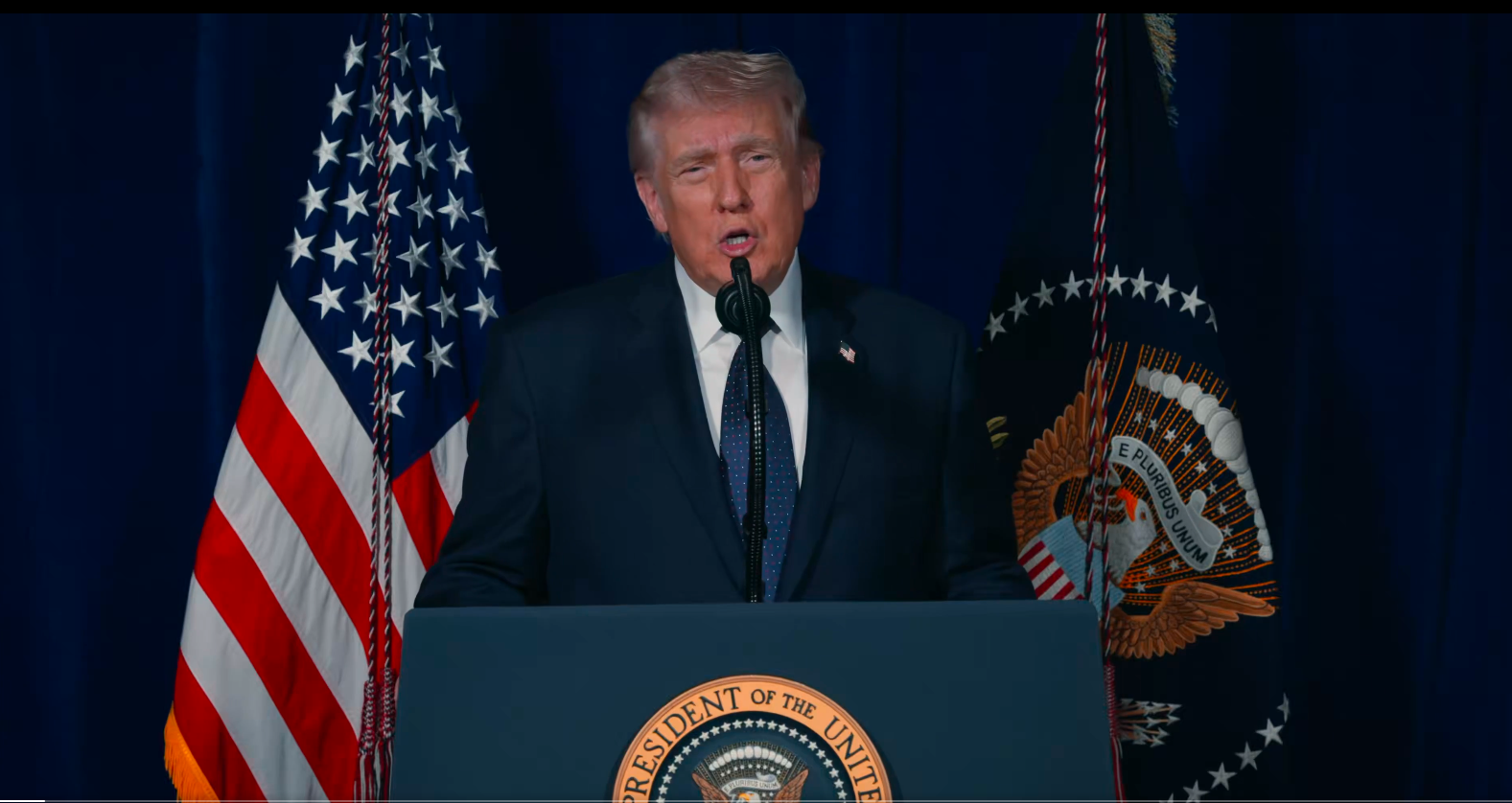
In a dramatic turn of events, Iran has reportedly agreed to halt uranium enrichment, signaling a provisional ceasefire in the ongoing Middle East crisis. US President Donald Trump described the development as “a big day for world peace,” asserting that the United States will work closely with Tehran to ensure compliance.
The announcement comes after weeks of heightened tensions following Iran’s military escalation and disruptions in the Strait of Hormuz, a crucial global shipping route. International observers caution that while the ceasefire marks a significant step, the agreement remains fragile, and its long-term impact on regional stability and the US economy is uncertain.
Key Highlights
- Iran pledges to stop uranium enrichment, reversing a long-standing stance.
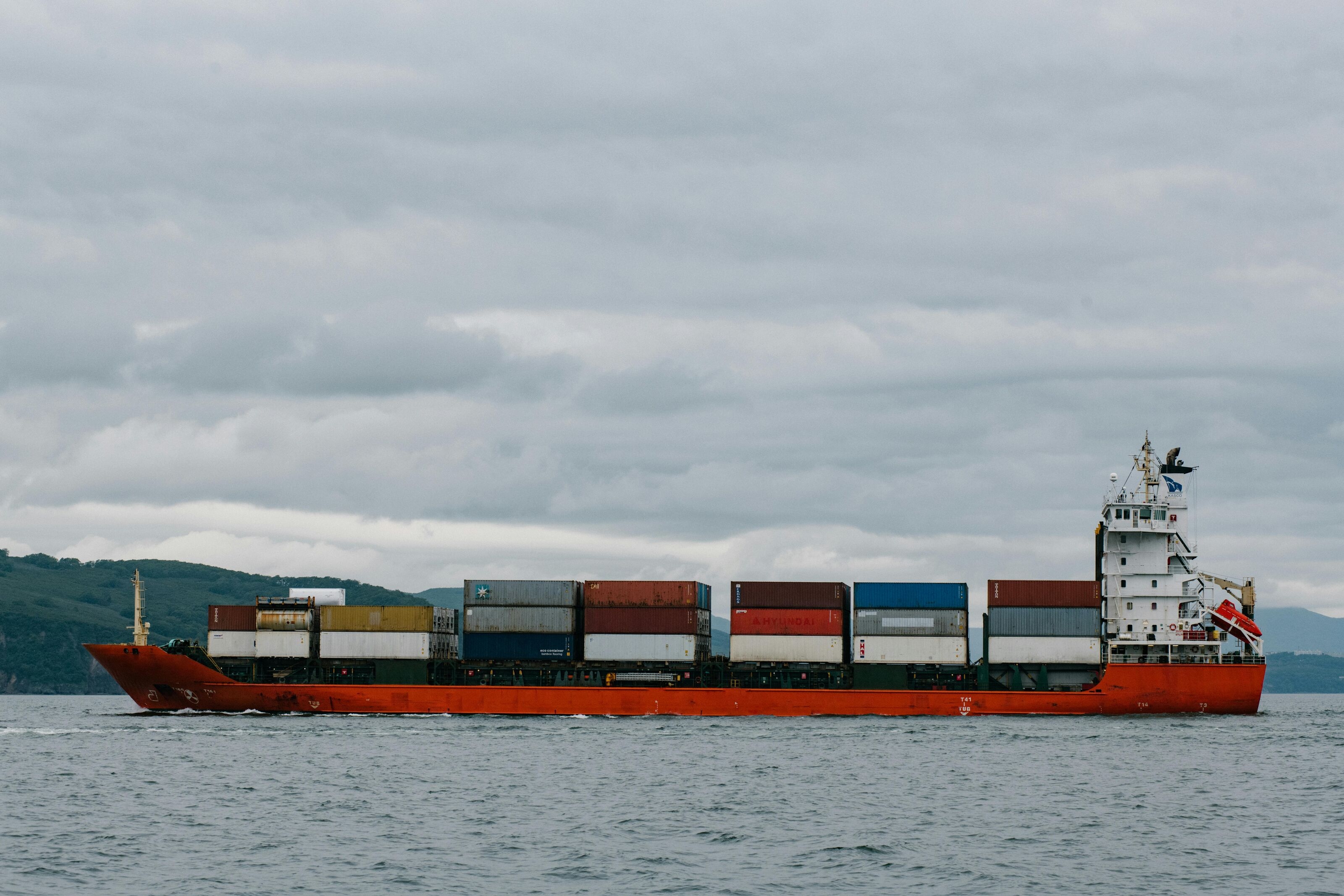
- Strait of Hormuz sees resumed shipping after temporary closure, easing global oil markets.
- US emphasizes ongoing monitoring, calling the truce “preliminary but promising.”
- Regional actors, including Pakistan and Oman, play mediating roles in negotiations.
- Experts warn that political and economic fallout in the US and global markets may continue.
Full Details
The agreement, announced early Wednesday, centers on Iran ceasing uranium enrichment and reopening key international waterways. Trump claimed the US will oversee the removal of “deeply buried” nuclear material, though Tehran has historically resisted external inspection of such sites.
Shipping traffic in the Strait of Hormuz, which had slowed dramatically amid military threats, is reportedly resuming, according to MarineTraffic data. This development temporarily stabilizes global oil supply chains and could moderate recent spikes in US gasoline prices, which had surged amid fears of disruption in the oil-rich Persian Gulf.
Iran’s 10-point ceasefire plan includes commitments to halt offensive operations, reopen diplomatic dialogue, and engage in regional peace discussions. While Tehran views the ceasefire as aligned with its “general principles,” Israeli and Lebanese officials have expressed skepticism about enforcement.
Regional diplomacy has been active: Pakistan’s Prime Minister confirmed Iran’s participation in talks hosted in Islamabad, while Oman’s foreign minister called for renewed negotiations. The international community, including Spain’s leadership, emphasized the need for legal, diplomatic, and lasting solutions.
For context on prior US-Iran tensions, see US-Iran Relations: A Timeline. External perspectives suggest that while the truce reduces immediate conflict risk, structural disagreements over nuclear oversight remain unresolved (IAEA report on Iran).
Economic and Energy Implications
The ceasefire has immediate implications for American consumers and global markets.
- Oil Prices: With Iran halting threats to the Strait of Hormuz, global oil shipments are stabilizing. According to the US Energy Information Administration, the temporary closure of the Strait had contributed to a 5% spike in crude prices over the last month. Analysts predict that calmer waters could gradually lower gasoline prices across the US.
- Energy Security: A reduction in Middle East hostilities reduces the risk of strategic oil supply disruptions, critical for industries ranging from transportation to manufacturing.
- Stock Market Confidence: Markets had been jittery as escalation fears rose. Analysts suggest that even a temporary ceasefire could boost investor confidence and stabilize equities, particularly in energy and defense sectors.
What This Means for Americans
- Daily Life: Americans may see slightly lower gasoline prices and reduced risk of supply chain shocks in imported goods.
- National Security: US military forces stationed in the Gulf region face less immediate threat from missile strikes or naval skirmishes.
- Travel and Shipping: Airlines and shipping companies may resume normal operations more efficiently, though recovery of fuel and logistics chains may take several weeks.
- Foreign Policy Focus: The Trump administration may use this opportunity to push forward diplomacy and sanctions relief negotiations.
Expert Analysis
The ceasefire represents a strategic recalibration by both Washington and Tehran. Analysts highlight several unique insights:
- Trump’s Leverage: By emphasizing uranium control, the US aims to assert a tangible security outcome even if the truce is fragile.
- Iran’s Diplomatic Gains: Tehran secures international recognition of its regional influence without fully conceding nuclear autonomy.
- Market Implications: Oil prices are highly sensitive to short-term conflict cues; even temporary calm may relieve volatility.
- Long-Term Risks: Historical precedents show Iran’s compliance with external inspections is inconsistent, suggesting further negotiations are inevitable.
- Regional Balance: Countries like Pakistan, Oman, and Israel are likely to remain involved in monitoring or mediating enforcement, a dynamic that could define the next phase of regional diplomacy.
This agreement is unusual in that it combines military de-escalation with a quasi-diplomatic process. Analysts at Brookings Institution note that while the US has historically struggled to enforce nuclear agreements, “this temporary truce could create leverage for broader negotiations if paired with careful economic and diplomatic incentives.”
Historical Context
Tensions between the US and Iran have escalated intermittently since the 1979 Iranian Revolution. The 2015 Iran nuclear deal, formally known as the Joint Comprehensive Plan of Action (JCPOA), was dismantled under Trump’s previous administration, leading to renewed nuclear activity and military confrontations.
This ceasefire differs from past agreements in that it is unilateral yet verified with third-party regional actors. While the JCPOA focused on structured nuclear limits and sanctions relief, the current provisional truce prioritizes immediate conflict de-escalation and the security of shipping lanes—particularly important for global oil markets.
For more background, see Timeline: US-Iran Conflicts Since 2000.
Conclusion
The US-Iran provisional ceasefire marks a moment of cautious optimism. Shipping resumes in the Strait of Hormuz, global markets stabilize slightly, and regional tensions ease. Yet, experts warn that underlying disputes over nuclear activity, territorial influence, and regional diplomacy persist.
As Americans monitor energy prices and geopolitical risks, the next steps in enforcement, inspection, and negotiation will be crucial. This ceasefire may serve as a foundation for longer-term peace—or a temporary pause in a complex regional conflict.


 US
US