Introduction
Escalating geopolitical tensions involving Iran are sending shockwaves through global financial markets, triggering a sharp reaction across US stocks, bonds, and energy markets. Investors are rapidly shifting their strategies as Iran war fears intensify, raising concerns about potential disruptions to oil supplies and the broader implications for the US economy.
Wall Street has responded with increased volatility, as traders weigh the risks of a wider regional conflict against an already fragile global economic environment. The movement of capital away from equities and into safer assets highlights a growing sense of caution among institutional and retail investors alike.
Key Highlights
- US equities declined as geopolitical tensions escalated
- Treasury bonds surged, signaling strong safe-haven demand
- Oil prices climbed amid fears of supply disruptions
- The US dollar strengthened against major global currencies
- الأسواق reflect rising uncertainty and economic risk globally
Markets React to Rising Geopolitical Risk
Recent coverage from The New York Times underscores how quickly financial markets are responding to developments involving Iran. The country’s strategic position near the Strait of Hormuz—through which a significant portion of the world’s oil supply passes—has amplified concerns among investors.
As tensions rise, the market response has followed a familiar pattern seen during previous geopolitical crises:
- Stock markets declined, particularly in sectors sensitive to global trade such as technology, manufacturing, and logistics
- US Treasury bonds rallied, pushing yields lower as investors sought stability
- Energy stocks gained momentum, benefiting from rising crude oil prices
This “risk-off” sentiment reflects a broader shift in investor psychology, where capital preservation becomes the priority during uncertain times.
Oil Prices and Inflation Pressures
One of the most immediate and tangible consequences of rising Iran war fears is the impact on oil prices. The Middle East remains a critical hub for global energy production, and any disruption in supply chains can have far-reaching effects.
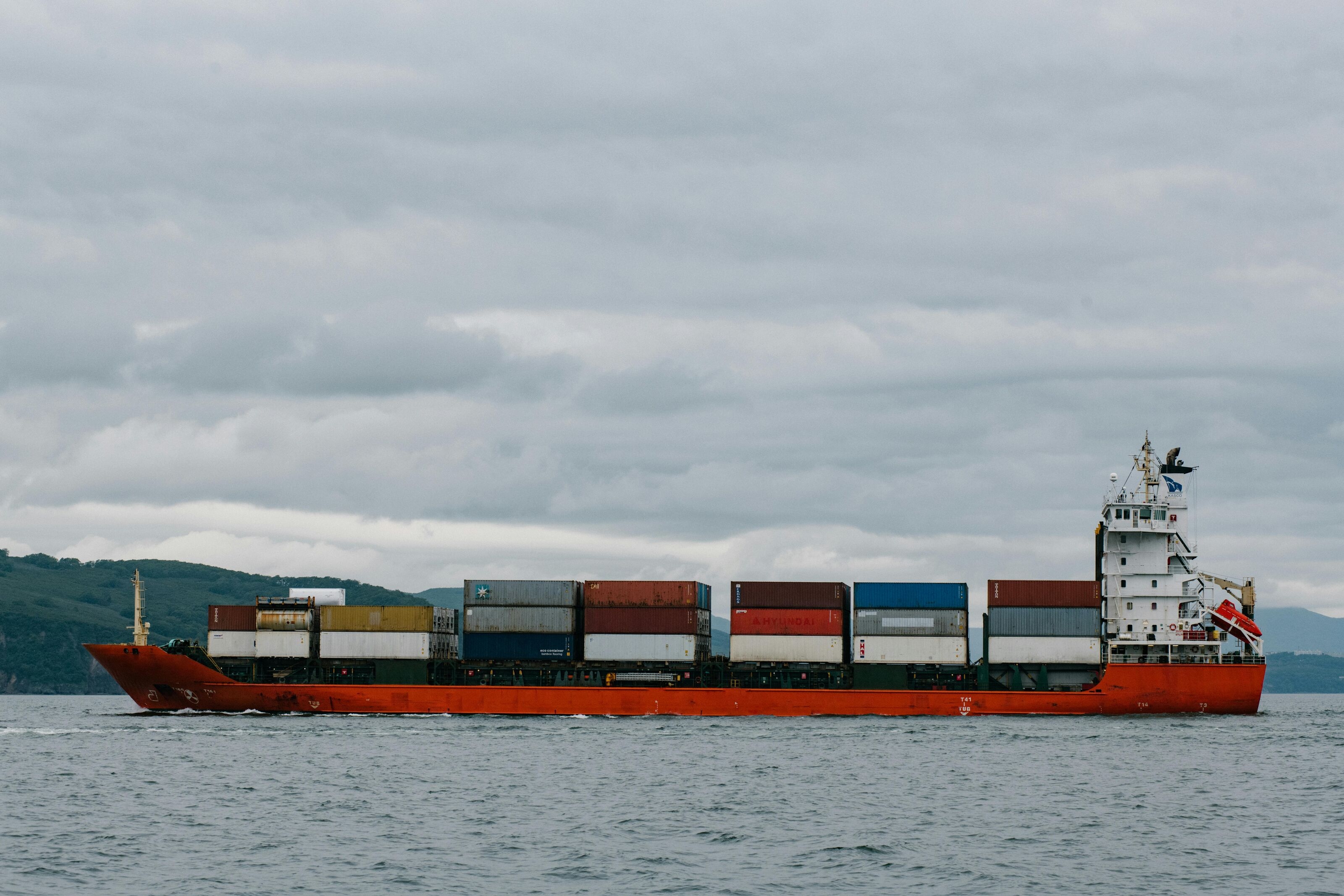
According to insights from the International Energy Agency, even minor disruptions in oil transit routes can trigger sharp increases in crude prices. Given Iran’s proximity to key shipping lanes, the risk of supply constraints is particularly concerning.
Implications for the US Economy
- Higher gasoline prices: American consumers may soon face increased costs at the pump
- Rising transportation expenses: Logistics and shipping costs could climb
- Inflationary pressure: Businesses may pass higher costs on to consumers
These factors could reverse recent progress made in controlling inflation, placing additional strain on households and policymakers.
Related Coverage
External Sources
Impact on Americans and the US Economy
1. Rising Energy Costs
For American households, the most immediate effect of escalating tensions is likely to be higher fuel prices. Historically, geopolitical instability in oil-producing regions leads to rapid price increases, which are quickly felt at gas stations across the country.
2. Increased Market Volatility
Investors may experience heightened volatility in their portfolios. Retirement accounts such as 401(k)s and IRAs are particularly sensitive to stock market fluctuations, and short-term losses could occur if uncertainty persists.
3. Renewed Inflation Concerns
Higher energy costs often act as a catalyst for broader inflation. From groceries to travel expenses, the cost of living could rise, impacting household budgets nationwide.
4. Monetary Policy Challenges
The Federal Reserve may face a complex policy environment. While inflation control remains a priority, aggressive tightening could risk slowing economic growth amid global uncertainty.
Expert Analysis: Understanding the Bigger Picture
While the immediate market reaction is significant, the long-term implications of Iran war fears are even more critical.
Key Drivers Behind Market Movements
- Geopolitical uncertainty: Investors are reacting to the potential for escalation rather than confirmed conflict
- Energy market sensitivity: Oil remains a central driver of global economic stability
- Global interconnectivity: Supply chains and trade networks amplify the impact of regional tensions
Unique Insight: A Multi-Phase Economic Impact
Unlike sudden financial shocks, the current situation is likely to unfold in multiple stages:
Phase 1: Immediate Reaction
Markets respond quickly with falling stock prices and rising bond demand.
Phase 2: Inflation Transmission
Higher oil prices begin to influence consumer goods and services, increasing inflation.
Phase 3: Economic Adjustment
Central banks and governments adjust policies, potentially slowing growth or delaying rate cuts.
This layered dynamic suggests that the full economic impact may not be felt immediately but could develop over weeks or even months.
Forward Outlook: What Comes Next?
The trajectory of the markets will largely depend on geopolitical developments in the coming days and weeks.
If Tensions Escalate
- Oil prices could surge further, intensifying inflation
- Stock markets may experience prolonged volatility
- Interest rate cuts could be postponed as inflation risks rise
If Tensions Ease
- Markets may stabilize and recover quickly
- Oil prices could retreat, easing inflation concerns
- Investor confidence may return, supporting economic growth
The situation remains fluid, and market conditions are likely to remain highly sensitive to news and policy signals.
Conclusion
The rise in Iran war fears highlights the deep interconnectedness between global geopolitics and the US financial system. From declining stock markets to rising oil prices and shifting investor behavior, the effects are already being felt across multiple sectors.
For American consumers, businesses, and policymakers, the coming weeks will be crucial in determining whether this is a short-term disruption or the beginning of a more sustained economic challenge. As uncertainty continues to shape market dynamics, staying informed and prepared will be essential.
Do you believe escalating Iran tensions could push the US economy into another period of instability, or is this just a temporary market reaction? Share your thoughts and join the discussion.


 US
US