Introduction
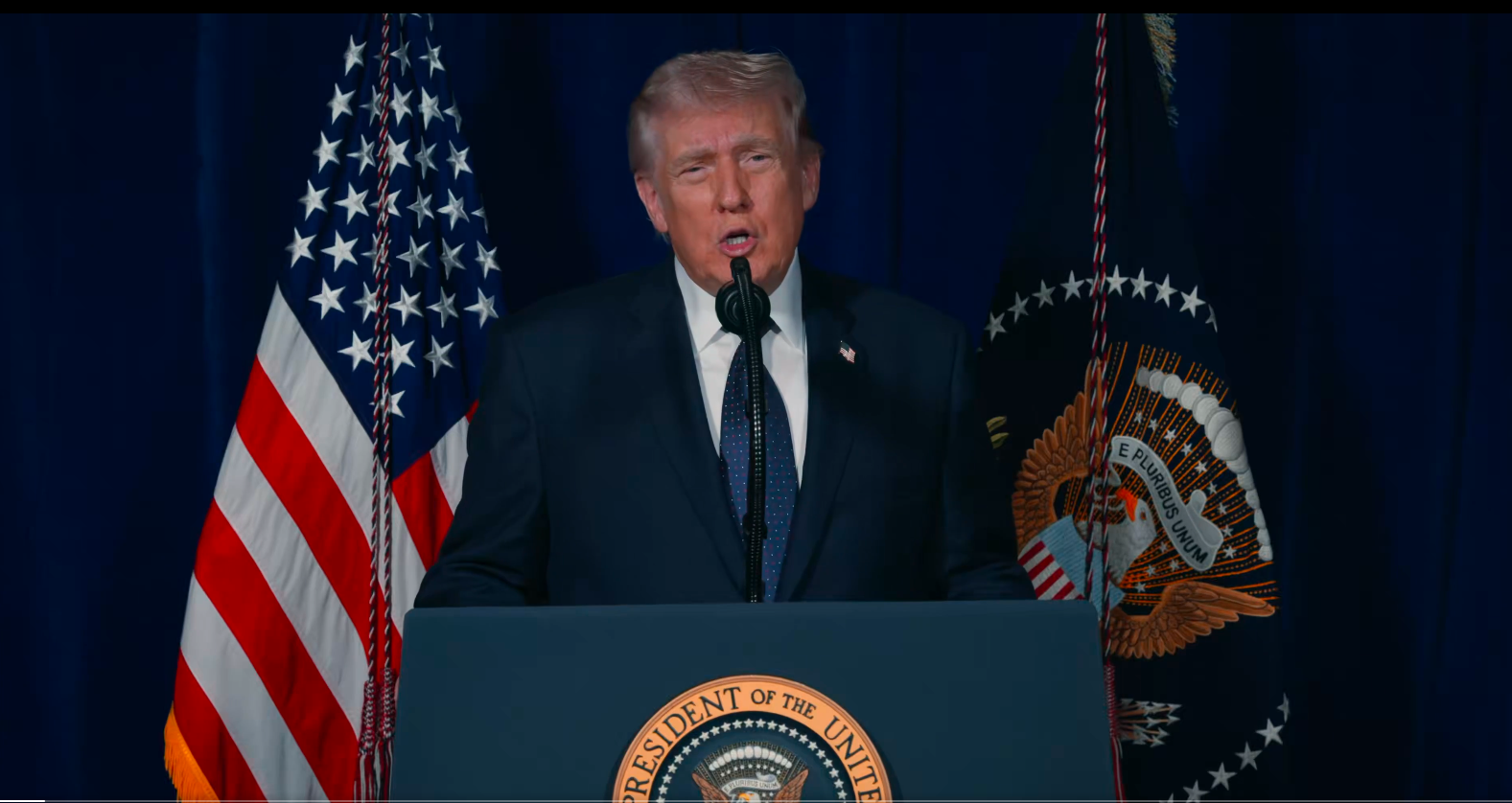
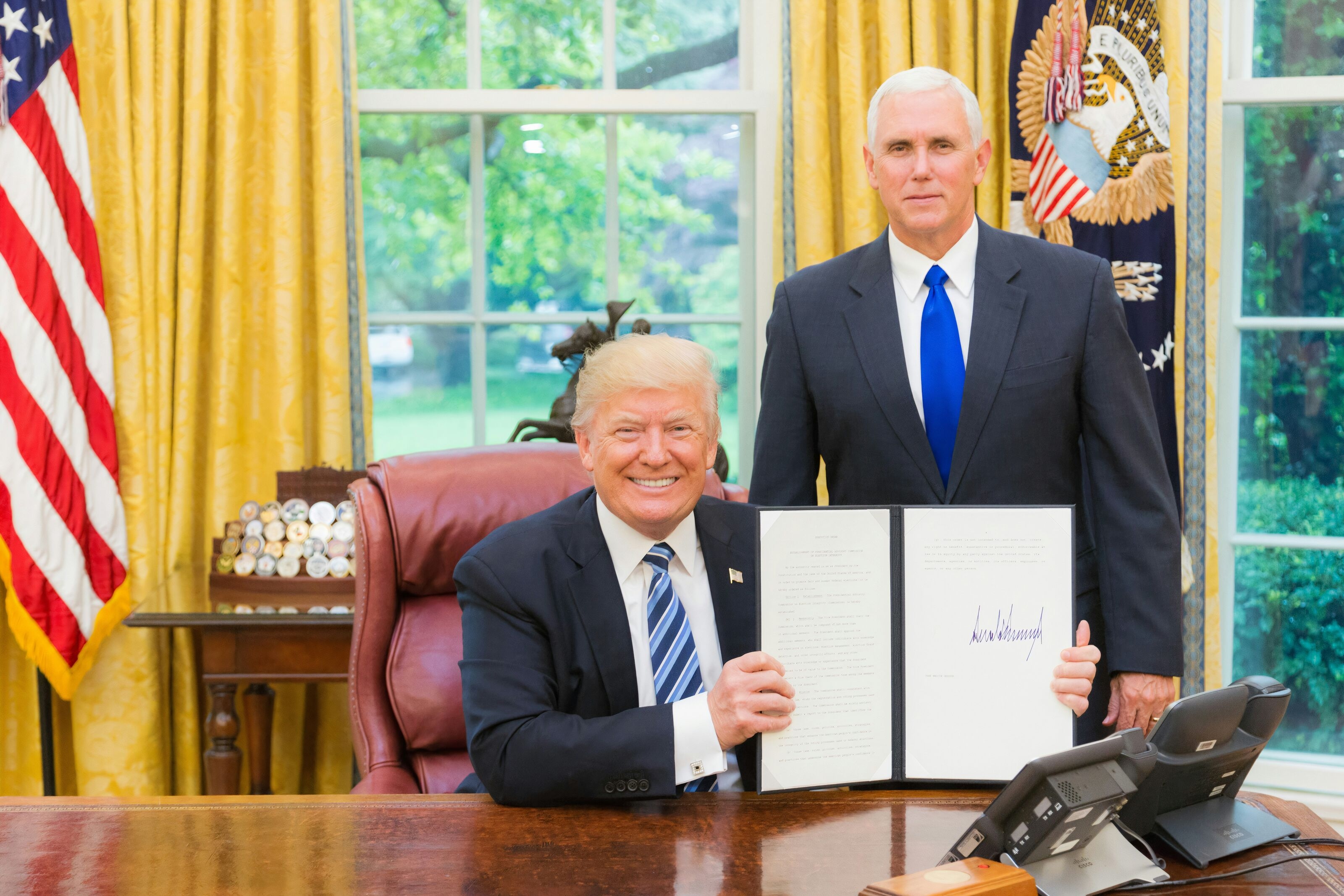
Former President Donald Trump issued a sharp warning to Iran on Thursday, demanding the reopening of the Strait of Hormuz, a critical maritime chokepoint for global oil shipments. The statement has intensified tensions in the Middle East, pushed oil prices higher, and raised concern among U.S. policymakers, investors, and consumers alike.
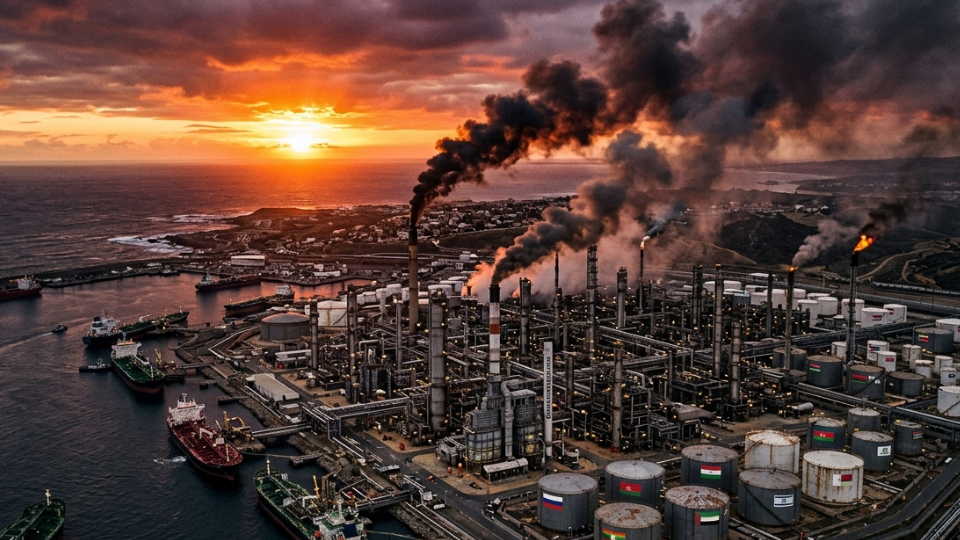
The Strait of Hormuz, located between Oman and Iran, channels nearly 20% of the world’s daily oil supply. Any disruption could immediately impact oil prices, U.S. gasoline costs, and global trade. Trump’s warning underscores the fragile state of energy security and highlights how geopolitical uncertainty directly affects the American public.
Key Highlights
- Trump warns Iran to reopen the Strait of Hormuz or face potential U.S. action.
- Brent crude nears $115 per barrel; WTI rises above $112 per barrel.
- The Strait of Hormuz handles roughly 20 million barrels of oil daily.
- Analysts predict short-term U.S. gasoline price increases and market volatility.
- Experts caution that further escalation could disrupt global supply chains and trade.
The Importance of the Strait of Hormuz
The Strait of Hormuz is one of the most strategically significant waterways in the world. It connects the Persian Gulf with the Gulf of Oman and the Arabian Sea, serving as a vital route for energy transport. Approximately 18–20 million barrels of crude oil pass through the strait every day, making it essential for global energy supply.
Even minor threats or disruptions can trigger significant market reactions. In 2019, drone attacks on Saudi Arabian oil facilities and Iranian threats temporarily spiked oil prices by nearly 15%, demonstrating the sensitivity of global markets to the region.
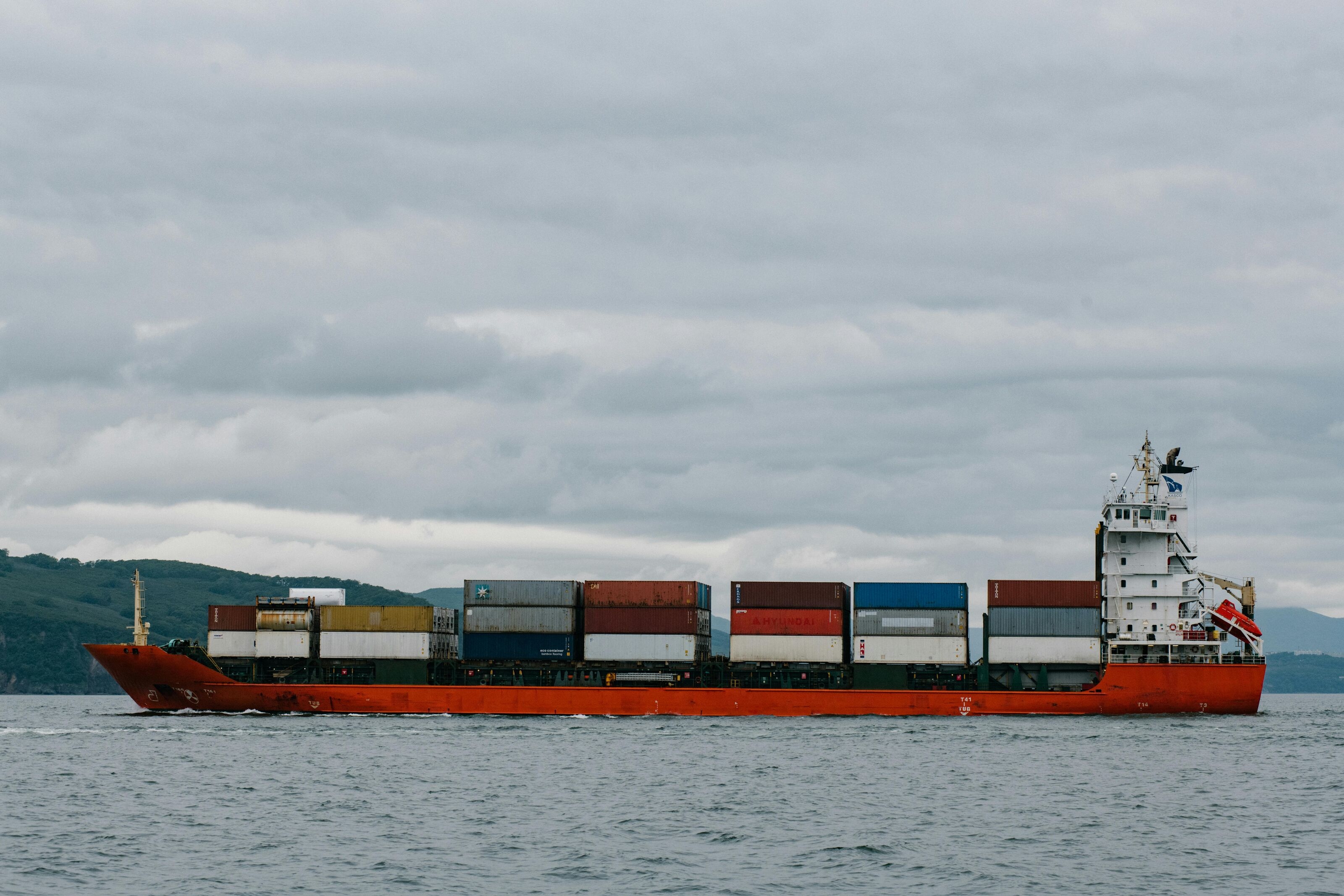
A prolonged closure or threat could affect U.S. gasoline prices, international shipping, and global trade, making the Strait a critical chokepoint with far-reaching implications.
Full Details
Trump’s warning follows heightened tensions between the U.S. and Iran. He emphasized that any obstruction of the Strait would result in serious consequences. While there is no active blockade, Iran’s recent naval maneuvers in the Gulf and warnings to foreign shipping vessels have raised global alarms.
Oil markets reacted quickly. Brent crude climbed close to $115 per barrel, while U.S. West Texas Intermediate (WTI) exceeded $112. Investors cited geopolitical uncertainty and the potential for supply disruptions as key drivers of the price increases.
Global energy markets are already under pressure due to high demand post-pandemic and other geopolitical risks. Analysts estimate that U.S. gasoline prices could rise 10–15 cents per gallon if tensions continue.
Historically, closures or threats in the Strait have prompted significant market responses. Even the perception of risk, often called a “risk premium,” can cause prices to surge, demonstrating how markets react not only to events but also to the possibility of escalation.
What This Means for the U.S.
For American consumers, higher oil prices translate to increased costs for gasoline, heating, and transportation. Commuters may notice higher pump prices, and businesses with fuel-intensive operations—from airlines to shipping companies—may pass on higher costs to consumers.
Energy price spikes can also contribute to inflationary pressures, impacting goods, services, and everyday living costs. Financial markets may see energy stocks and ETFs rise, while broader indices could experience volatility due to uncertainty.
From a policy standpoint, the U.S. government may consider releasing crude from the Strategic Petroleum Reserve (SPR) to stabilize prices temporarily. The situation may also accelerate discussions on domestic energy production, renewable energy adoption, and energy independence.
Expert Analysis
Energy experts point out that market reactions are driven as much by fear of escalation as by actual events. James McAllister, a senior analyst based in New York, notes:
"Even limited threats in the Gulf can trigger sharp spikes in oil prices. The Strait of Hormuz is a critical artery; markets react to risk, not just immediate disruption."
If tensions escalate, Brent crude could surpass $120 per barrel, which would affect U.S. inflation and consumer costs. Experts also highlight that geopolitical risk often accelerates long-term investment in domestic oil, natural gas, and renewable energy as countries seek to reduce dependency on the Middle East.
External sources like Reuters – Middle East news and Bloomberg – Energy Market Updates confirm that Iran’s recent naval activities have heightened concerns about the safe passage of oil and fuel shipments.
Historical Context
The Strait of Hormuz has been a flashpoint for decades. During the Iran-Iraq War in the 1980s, attacks on oil tankers caused sharp global price spikes. Similarly, in 2019, drone attacks on Saudi oil facilities led to immediate oil price jumps of 10–15%.
These events show how sensitive markets are to disruptions in the Gulf region. Even small threats create risk premiums that can last for weeks, impacting consumer costs, corporate profits, and government energy strategies.
Forward-Looking Expectations
Analysts suggest several possible outcomes in the coming weeks:
- Short-term spike in oil prices, affecting gasoline and heating oil costs.
- Increased market volatility in energy stocks and commodities.
- Potential U.S. policy interventions, such as Strategic Petroleum Reserve releases or diplomatic engagement.
- Accelerated investments in renewable energy and domestic oil production as a hedge against Middle East instability.
While the Strait remains open for now, the risk premium on oil prices is likely to persist, keeping consumers, investors, and policymakers alert.
Conclusion
Trump’s warning to Iran over the Strait of Hormuz has increased geopolitical risk and driven oil prices higher, emphasizing global dependence on Middle Eastern energy. U.S. consumers may face higher fuel costs, while markets experience volatility and companies reconsider energy strategies.
The next few weeks are critical. Any escalation could have long-term effects on energy security, trade, and inflation. While the Strait remains operational, the heightened risk highlights the ongoing vulnerability of the global energy supply chain.

 US
US