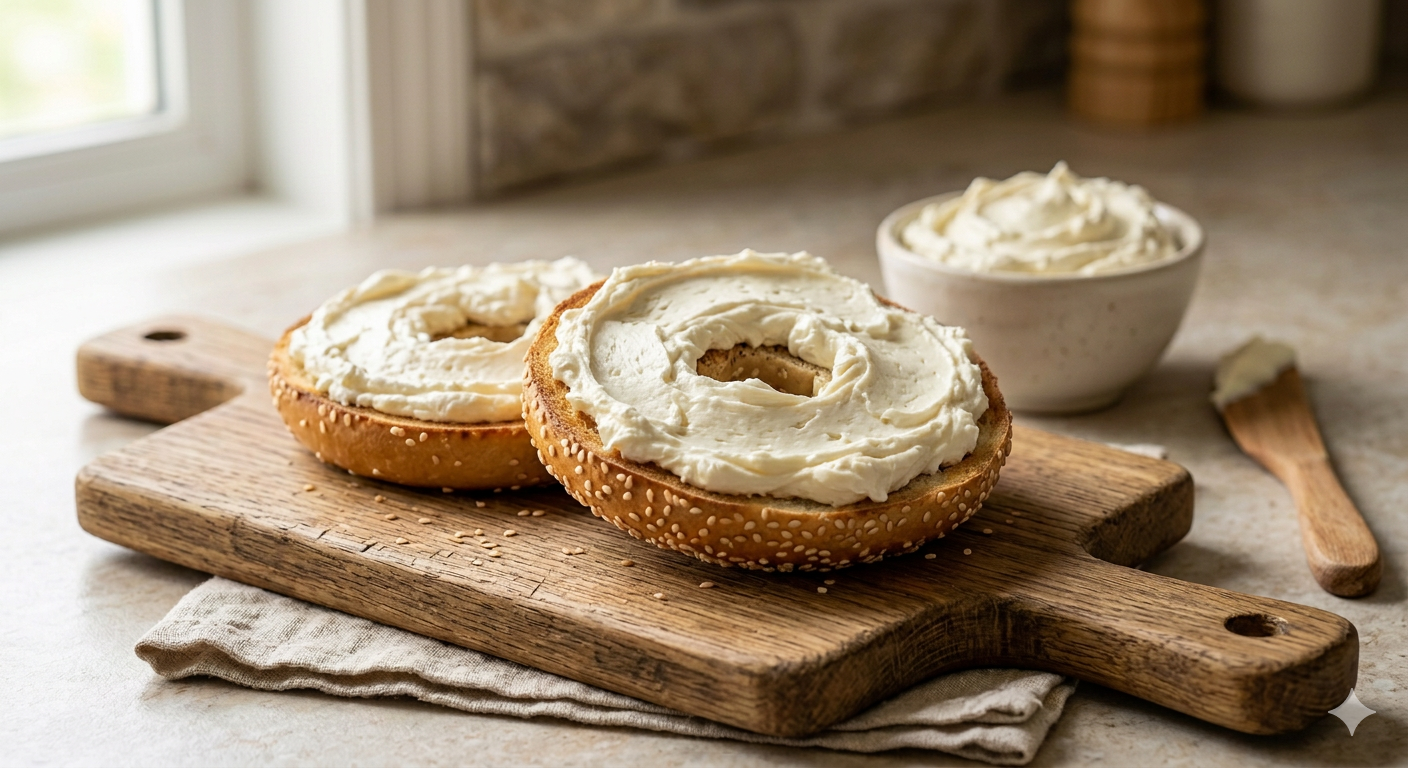
Food safety alerts can quickly become major public health concerns, especially when common grocery items are involved. Recently, a cream cheese recall in the United States has gained significant attention after being upgraded to the highest warning level by the U.S. Food and Drug Administration (FDA).
The recall affects multiple varieties of cream cheese products distributed in parts of New York, and health authorities are urging consumers to check their refrigerators and avoid consuming the affected items. The warning highlights the potential risks linked to listeria contamination, a dangerous bacterium that can cause serious illness.
This situation has sparked concern among shoppers and food safety experts alike.
Why the Cream Cheese Recall Was Issued
The recall was announced after routine testing revealed possible contamination with Listeria monocytogenes, a bacterium that can cause severe foodborne illness. The affected cream cheese products were produced by Made Fresh Salads, Inc., a company based in Bay Shore, New York.
According to food safety authorities, the contamination risk was discovered during quality checks that identified bacteria on a piece of mixing equipment used in the production process. As a precaution, the company decided to recall several flavors of cream cheese products that may have been affected.
Food recalls are often issued when there is a possibility that a product could cause health problems if consumed. In this case, officials wanted to ensure public safety before any illnesses were reported.
FDA Upgrades Recall to Highest Risk Level
Initially, the recall was issued as a precautionary measure. However, the FDA later classified it as a Class I recall, which represents the agency’s most serious alert level.
A Class I recall means there is a reasonable possibility that consuming the product could cause serious health consequences or even death. This classification is typically used when a product may contain harmful bacteria, dangerous contaminants, or other major safety risks.
Although no illnesses had been reported at the time of the announcement, authorities acted quickly to prevent potential health issues.
Products Included in the Recall
The recall involves several flavors of cream cheese produced by the company. According to reports, more than a dozen varieties were included, such as:
These products were packaged in five-pound white plastic tubs and carried expiration dates up to February 27, 2026.
The products were distributed primarily to retail stores and food distributors in the New York City area, including locations in Brooklyn, Queens, and the Bronx.
Consumers who purchased these items are advised to return them to the store for a refund or discard them safely.
What Is Listeria and Why It Is Dangerous
One of the main concerns in this cream cheese recall is the risk of listeria contamination. Listeria monocytogenes is a type of bacteria that can cause an infection known as listeriosis.
For healthy individuals, symptoms may include:
-
Fever
-
Headaches
-
Nausea
-
Diarrhea
-
Muscle aches
However, the infection can be much more severe for certain groups of people.
Pregnant women, older adults, young children, and individuals with weakened immune systems are at higher risk of serious complications. In some cases, listeriosis can lead to hospitalization or even death.
Because of these risks, the FDA takes listeria contamination very seriously and often issues strong warnings when potential contamination is detected.
No Illnesses Reported So Far
Despite the serious classification of the recall, health authorities have reported that no confirmed illnesses have been linked to the recalled cream cheese products so far.
This suggests that the recall was issued as a preventive safety measure rather than a response to a widespread outbreak.
Food safety experts emphasize that quick action in such cases can prevent potential health problems before they occur.
What Consumers Should Do
If you recently purchased cream cheese products from local stores or food distributors, it is important to check the packaging carefully.
Consumers should look for:
-
The Made Fresh Salads label
-
Products packaged in large white tubs
-
Expiration dates before February 27, 2026
If the product matches the recalled items, experts recommend not consuming the product.
Instead, you should:
These simple steps can help protect your health and prevent potential illness.
Food Safety and the Importance of Recalls
Food recalls are an essential part of public health protection. Government agencies such as the FDA monitor food production and distribution to identify potential safety risks.
When contamination or other hazards are discovered, recalls help remove unsafe products from the market quickly.
Although recalls can be concerning for consumers, they also demonstrate that safety systems are working effectively.
In recent years, improved food monitoring technology and stricter safety regulations have helped detect contamination earlier, reducing the chances of large outbreaks.
How to Stay Safe from Foodborne Illness
While recalls are sometimes unavoidable, there are several steps consumers can take to reduce the risk of foodborne illness.
Helpful food safety practices include:
-
Checking news updates for food recalls
-
Reading product labels carefully
-
Storing dairy products at proper temperatures
-
Washing hands and kitchen surfaces regularly
-
Avoiding expired or suspicious food items
Staying informed about FDA food safety alerts can also help consumers make safer choices when shopping.
Conclusion
The recent cream cheese recall in New York serves as an important reminder of the role food safety agencies play in protecting public health. After potential listeria contamination was discovered, the FDA upgraded the recall to its highest warning level to prevent possible illness.
Although no infections have been reported so far, consumers are encouraged to check their products and follow recall instructions carefully.
Food safety remains a shared responsibility between manufacturers, regulators, and consumers. By staying informed and following proper precautions, people can reduce the risks associated with contaminated food products.

 Health